Search conditions, treatments, research reviews and articles. Press Enter to see all results, Esc to close.
Search conditions, treatments, research reviews and articles. Press Enter to see all results, Esc to close.
Blog
November 22, 2026
Which eye drops for dry eyes work best? Compare artificial tears, gels, ointments and prescription drops, and learn when dryness needs an eye exam.
Key points
The best eye drops for dry eyes are the ones that match the kind of dry eye you have. If you use drops more than four times a day, or your eyes are moderately to severely dry, choose a preservative-free artificial tear. If your eyes burn and water, feel worse in wind or at a screen, or your eyelids look red at the edges, a lipid-containing (oil-based) drop usually works better than a thin watery one. Gels and ointments last longer but blur vision, so they suit bedtime. Redness-relief drops are not dry eye treatment.
See an eye doctor promptly if you have eye pain rather than irritation, sudden blurred vision that does not clear with blinking, marked light sensitivity, a red eye with discharge, or dryness after eye surgery or an eye injury. Contact lens wearers with a painful red eye need same-day care.
Your tear film is not just water. It has three working parts. A thin mucin layer helps tears stick to the eye. A watery (aqueous) layer carries salts, proteins and growth factors. An outer oil (lipid) layer, made by the meibomian glands in your eyelids, slows evaporation. Every blink spreads these layers into a smooth optical surface. That surface is the first lens light passes through, which is why dry eyes blur vision between blinks.
Artificial tears add volume, lubricate the surface, and hold moisture for a while. Some also add oil to rebuild the lipid layer, or contain substances that protect surface cells from the stress of salty, concentrated tears. What they do not do is restart gland secretion, calm the immune activity on the eye’s surface, or repair corneal nerves. That is why drops help most people a little, help some people a lot, and leave others still uncomfortable.
It also explains a common frustration: a drop that soothes for ten minutes and then wears off. A thin watery drop drains through the tear ducts within minutes. If your underlying problem is fast evaporation, adding water alone is like topping up a pan with no lid on it.
For a fuller picture of the tear film itself, see our guide to the tear film layers and how they affect vision.
Eye doctors divide dry eye into two overlapping groups.
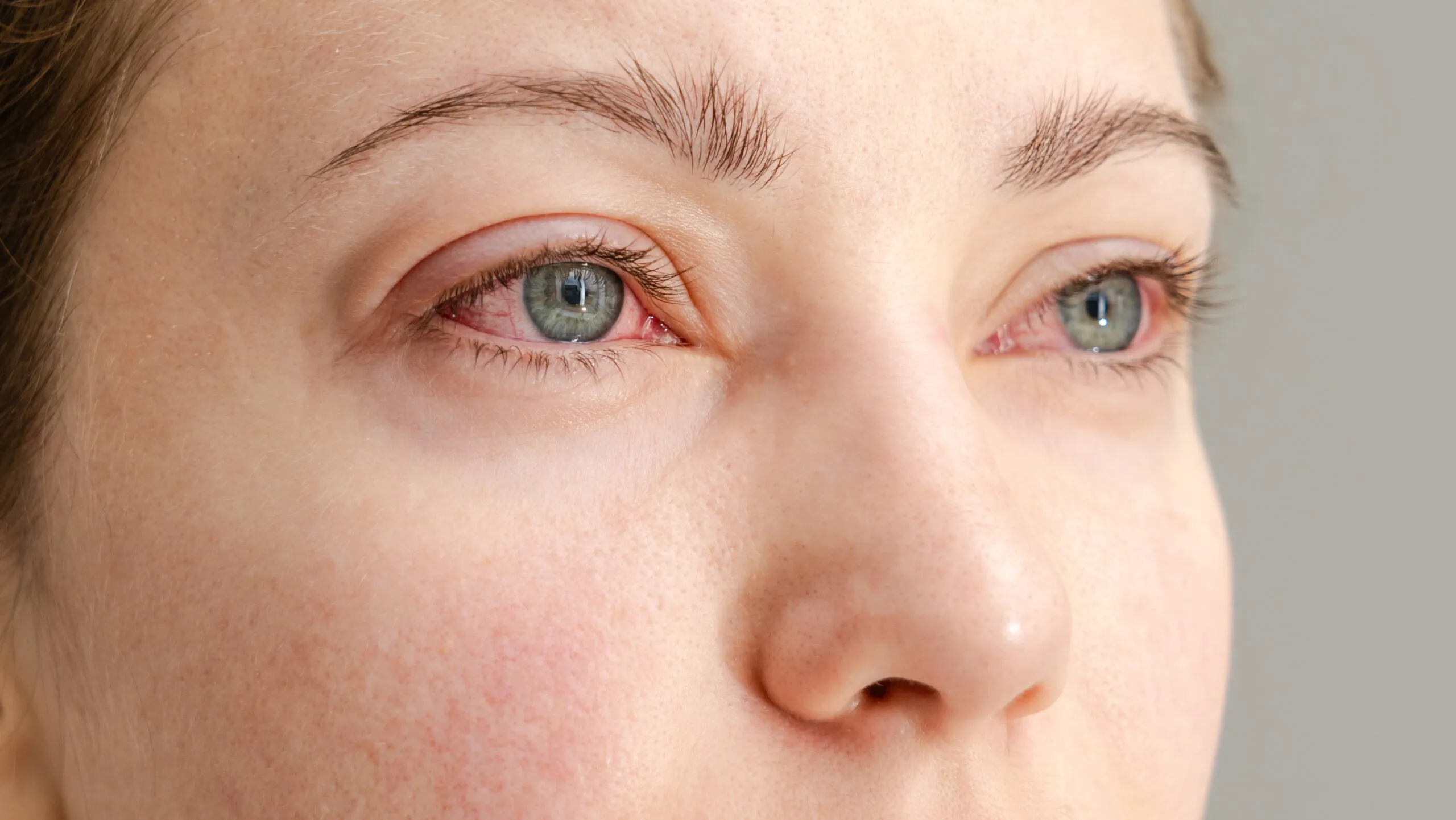
Evaporative dry eye is the most common. The meibomian glands in the lids are blocked or produce thick, poor-quality oil (meibomian gland dysfunction, or MGD). Tears are made in normal amounts but evaporate quickly. Typical clues: burning, eyes that water in wind or cold, symptoms that build through the day and at screens, crusting or redness along the lid edges, and vision that clears briefly after a blink.
Aqueous-deficient dry eye means the lacrimal glands do not make enough watery tears. It is common in Sjögren’s syndrome and other autoimmune conditions, after some medications, and with age. Typical clues: a gritty, sandy feeling, dryness on waking, a dry mouth as well, and difficulty producing tears when you cry.
Many people have both. A third group has neuropathic symptoms: the corneal nerves are sensitized and signal pain or dryness even when the surface looks reasonably healthy. In this group, drops often give little relief, which is itself a clue.
Why this matters for choosing a drop:
We explain the difference in more detail in evaporative vs aqueous-deficient dry eye.
Likely pattern: Mild, situational
Drop type to try first: Standard lubricant drop, preserved or preservative-free
Also do: Blink breaks, screen below eye level
Likely pattern: Evaporative (MGD)
Drop type to try first: Lipid-containing emulsion drop
Also do: Warm compresses and lid hygiene daily
Likely pattern: Aqueous-deficient
Drop type to try first: Preservative-free lubricant, 4 to 6 times a day; gel at night
Also do: Ask about autoimmune testing
Likely pattern: Moderate to severe
Drop type to try first: Preservative-free only
Also do: Book an eye examination
Likely pattern: Night-time exposure
Drop type to try first: Thick gel or ointment at bedtime
Also do: Check for incomplete lid closure
Likely pattern: Lens-related
Drop type to try first: Preservative-free drop labeled for contact lenses
Also do: Review lens type and wearing time
Likely pattern: Preservative-related surface disease
Drop type to try first: Preservative-free lubricant
Also do: Ask about preservative-free glaucoma drops
Likely pattern: Possibly neuropathic
Drop type to try first: Do not keep switching brands
Also do: See a dry eye or corneal specialist
This table is a starting point, not a diagnosis. If you have used a suitable drop on schedule for a month and still have symptoms most days, the next step is an examination.
Multi-dose bottles need something to stop bacteria growing after opening. The most common preservative in eye drops is benzalkonium chloride (BAK). It is effective, but at repeated doses it can damage the surface cells of the cornea and conjunctiva and destabilize the tear film, which is the opposite of what a dry eye needs.
Preservatives matter more when:
Your options are:
If you use a drop once or twice a day for mild symptoms, a preserved bottle is reasonable. If you are reaching for it hourly, switch.
You do not need to memorize ingredient lists, but knowing the families helps you compare bottles by type.
Lubricating polymers (demulcents). Carboxymethylcellulose (CMC), hydroxypropyl methylcellulose (HPMC), polyethylene glycol, propylene glycol, polyvinyl alcohol and povidone thicken the drop and help it cling to the surface. Thicker drops last longer and blur more.
Hyaluronic acid (sodium hyaluronate). A natural water-binding molecule found in the eye. It holds moisture well and has good comfort in studies. In the United States it is usually listed as an inactive ingredient.
Lipids and oils. Mineral oil, castor oil, flaxseed oil and phospholipids are used in emulsion drops to rebuild the oil layer. These drops often look milky. They are aimed at evaporative dry eye and meibomian gland dysfunction.
Osmoprotectants. Glycerin, erythritol, L-carnitine and trehalose help surface cells cope with the salty tears typical of dry eye.
Water-free drops. A newer prescription drop made of perfluorohexyloctane contains no water at all. It spreads over the tear film and slows evaporation directly. It is used for evaporative dry eye with MGD.
A large systematic review by Cochrane compared over-the-counter artificial tears and found that most are effective for symptoms, with no formulation clearly superior for everyone. That is consistent with clinical experience: the match between drop and pattern matters more than the label.
A practical way to use this: read the “Purpose” and “Active ingredients” panel on the box. If it lists only a lubricant polymer, it is a standard tear. If it lists mineral oil or another oil, it is a lipid drop. If it lists a vasoconstrictor such as tetrahydrozoline or naphazoline, it is a redness reliever and not what you are looking for.
Thickness is a trade-off between staying power and blur.
Night matters more than many people realize. Tear production falls during sleep. If your lids do not close fully (common after eyelid surgery, with thyroid eye disease, with facial nerve weakness, or simply by anatomy), the exposed strip of eye dries for hours. Clues are dryness that is worst on waking, and a partner noticing your eyes slightly open during sleep. A bedtime gel or ointment, a moisture-chamber sleep mask, and a bedside humidifier can make a large difference. See waking up with dry eyes for a fuller plan, and why eyes crust in the morning.
Redness relievers. Drops that “get the red out” shrink surface blood vessels. They do not treat dryness. With regular use, some cause rebound redness when you stop. If your eyes are red, find out why.
Allergy drops when you are not allergic. Antihistamine drops can reduce tear production in some people. If itching is your main symptom, see eye allergies. If dryness is, choose a lubricant.
Homemade, “natural” or unregulated drops. Anything that goes in the eye must be sterile. In recent years there have been recalls of contaminated over-the-counter eye drops, including some linked to serious infections. Buy from established pharmacies, check for recalls, and do not use drops past their expiry or discard date. We review the evidence on some popular alternatives in MSM eye drops: what the evidence shows and triphala for eyes.
Steroid drops without supervision. Steroid eye drops are useful for short courses under an eye doctor’s care. Unsupervised use can raise eye pressure and cause cataract. See steroid-induced glaucoma.
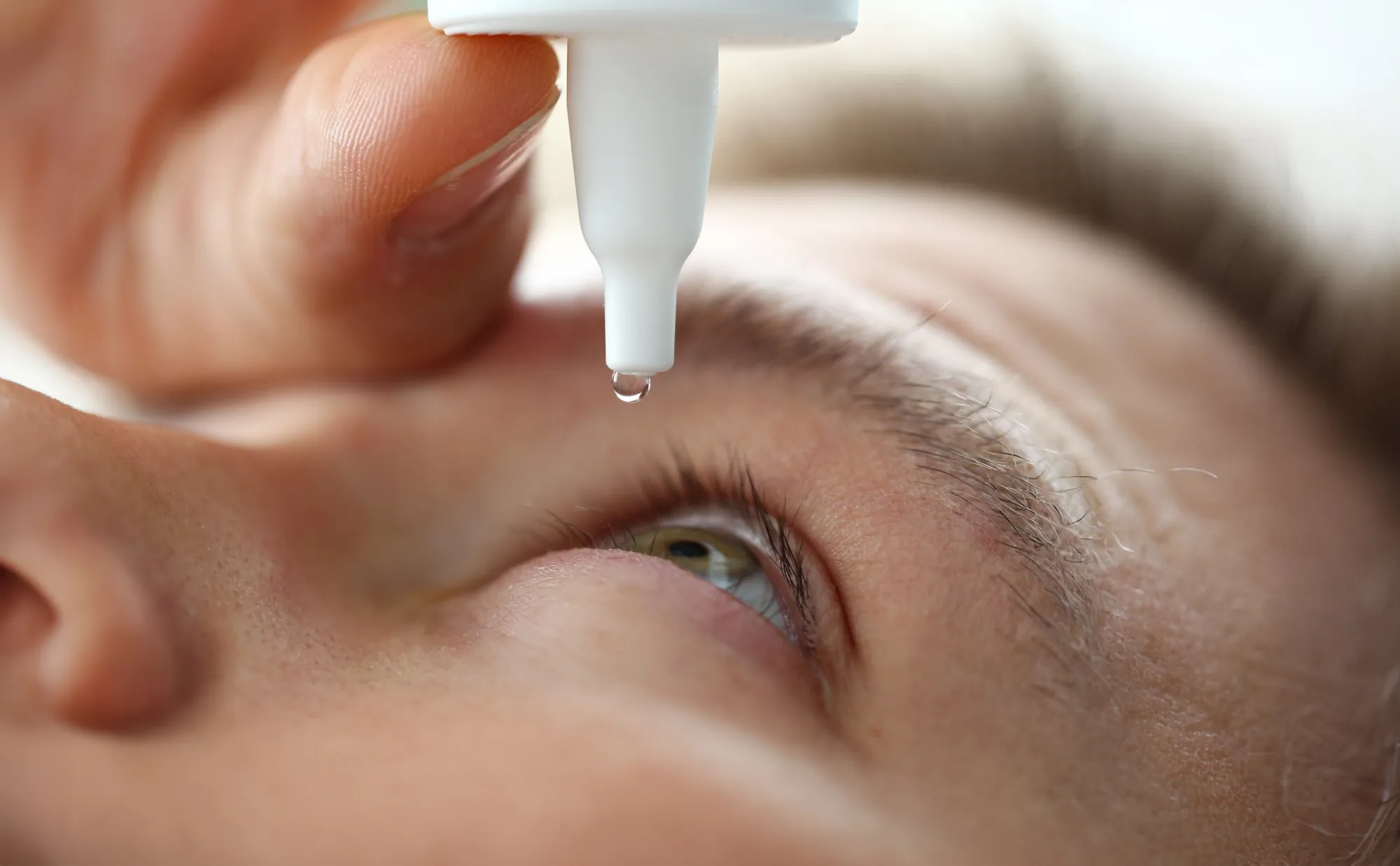
Technique changes results. Most of a drop is lost if it lands on the lashes or is blinked away.
Keep the tip clean, replace the cap, and note the date you opened the bottle. If you have trouble aiming or squeezing, drop guides and squeeze aids are available at pharmacies. Our eye drop schedule tool can help you space several drops across the day.
How often? For mild symptoms, two to four times a day is typical. For moderate symptoms, four to six times a day with a preservative-free drop. If you find yourself using drops every hour, that is a signal to be examined, because something else is driving the problem.
How long before judging? Give a new drop two to four weeks of regular, scheduled use. Using it only when the eye already hurts is like watering a plant only when it wilts.
Contact lens wearers. Use drops labeled as safe with contact lenses, ideally preservative-free. Thick gels and oil-based drops can smear lenses. Persistent lens discomfort is often an early sign of meibomian gland dysfunction. Daily disposable lenses, shorter wear time and lid care often help. For severe dry eye, scleral lenses hold a reservoir of fluid against the cornea all day.
People on glaucoma drops. Long-term preserved glaucoma drops are a very common cause of dry, red, burning eyes. Do not stop your pressure medication. Ask whether a preservative-free version, a combination drop, or laser treatment such as SLT could lower your preservative load. More in glaucoma eye drops and dry eyes.
After LASIK, PRK or cataract surgery. Surgery cuts or disturbs corneal nerves, and dryness is common for months. Preservative-free lubricants are standard. If pain is severe or lasts beyond the expected healing time, read about post-LASIK corneal neuropathic pain.
Autoimmune conditions. Sjögren’s syndrome, rheumatoid arthritis and lupus can cause severe aqueous-deficient dry eye. Drops alone are rarely enough. See dry eye, Sjögren’s and systemic disease.
Pregnancy and breastfeeding. Plain preservative-free lubricants are generally considered low risk because very little is absorbed, but check with your obstetric provider, particularly for medicated drops.
Children. Dry eye is less common in children, but screen time, allergies and some medications can cause it. A child who rubs their eyes, blinks excessively or avoids light should be examined before drops are started.
Older adults. Tear production falls with age, lids become laxer, and medication lists get longer. Antihistamines, some antidepressants, diuretics and many others can dry the eyes. A medication review is worth doing.
Lubricants are step one of a ladder. International dry eye guidelines (the TFOS DEWS II report) describe a staged approach.
Step 1: Education, environment, lid care and lubricants. Blink exercises, humidity, omega-3-rich diet, warm compresses, lid hygiene and artificial tears. See warm compress technique in our dry eye guide and dry eye lifestyle, nutrition and hydration.
Step 2: Prescription drops and procedures.
Step 3: Biologic tears and specialty lenses. Autologous serum eye drops, made from your own blood, supply growth factors that artificial tears lack. Scleral lenses protect the surface all day.
Step 4: Surgical and advanced options such as amniotic membrane, permanent punctal closure or lid surgery for severe disease.
Our full guide covers each step: dry eye treatment: drops, prescriptions, IPL, plugs and procedures. If you are wondering whether dry eye can ever be fully resolved, see can dry eyes be cured permanently?
Chronic dry eye is a cycle, not just a shortage. Unstable tears become salty and concentrated. That stresses surface cells, which release inflammatory signals. Inflammation damages the glands and the mucin-producing cells, and it sensitizes corneal nerves. Damaged glands and nerves produce poorer tears. The loop then feeds itself.
A lubricant drop interrupts the loop at one point, for a short time: it dilutes the tears. It does not address:
This is why the people who do best treat dry eye as a whole-system problem and use drops as one tool among several.
Netra Restoration Therapy (NRT) is Netra Eye Institute’s phytoceutical eye-care program: individualized herbal formulas drawn from Traditional Chinese Medicine (TCM) ophthalmology and Ayurvedic ophthalmology, selected using a modern understanding of ocular biology, with acupuncture in a supportive role. It is complementary to conventional eye care. You keep your drops, your prescriptions and your eye doctor.
For dry eye, the reasoning is that lubricants act on the surface, while the drivers of chronic dry eye sit deeper: low-grade inflammation, oxidative stress on surface cells, reduced blood flow and nerve signaling to the glands, and autonomic imbalance that affects tear secretion. NRT’s herbal formulas are chosen to act on several of these at once:
Supportive acupuncture is scheduled around the formula. Several randomized trials and meta-analyses of acupuncture for dry eye report improvements in symptoms and tear measures compared with artificial tears alone, although study quality varies and results are not uniform.
What to keep in mind:
You can read more in dry eye beyond MGD: a TCM and NRT view, Ayurvedic treatment for dry eyes, and what is Netra Restoration Therapy. To ask whether it suits your situation, use Am I a candidate? or call (732) 503-9999. Bring your current drop list and any dry eye test results.
Week 1. Identify your pattern using the table above. Choose one suitable drop. Use it on schedule (for example, on waking, late morning, mid-afternoon and evening). Start warm compresses for 5 to 10 minutes once a day if you have evaporative features. Lower your screen and take blink breaks.
Week 2. Add a bedtime gel if mornings are worst. Review your medications with your pharmacist for drying side effects. Run a humidifier in dry rooms.
Week 3. Assess. Better? Continue. No change? Switch type, not just brand: from a plain tear to a lipid drop, or to preservative-free if you were using a preserved bottle often.
Week 4. If you still have symptoms most days, book a dry eye evaluation. Useful tests include tear break-up time, staining of the surface, meibomian gland imaging and tear osmolarity. See dry eye diagnosis and meibomian gland tests.
There is no single best drop. Preservative-free lubricants are the safest general choice for frequent use. If your dry eye is evaporative, which is most common, a lipid-containing drop usually works better than a plain watery one. Match the type to your pattern and judge it after two to four weeks.
For frequent use, yes. Preservatives such as benzalkonium chloride can irritate and damage the eye’s surface with repeated dosing. If you use drops more than four times a day, have moderate or severe dry eye, wear contact lenses or use glaucoma drops, choose preservative-free.
Preservative-free tears can be used as often as needed, though needing them more than six times a day suggests you need a different plan. Preserved drops are best limited to about four times a day.
You can overuse preserved drops and redness relievers. Very frequent use of even preservative-free drops can wash away the natural oils and proteins of your own tears. If you rely on hourly drops, see an eye doctor.
Dry spots on the cornea trigger a reflex flood of watery tears. These reflex tears lack the oil and mucin needed to stay on the eye, so they spill over without fixing the dryness. This is typical of evaporative dry eye. See our dry eye FAQ on watery eyes.
Yes. Preserved multi-dose bottles are typically discarded one to three months after opening; check the label. Single-use vials are discarded immediately after use. Preservative-free multi-dose bottles list their own in-use period.
Gels last longer but blur vision briefly. They are useful for moderate dry eye and at bedtime. For daytime tasks that need clear vision, thinner drops are easier to live with.
Punctal plugs are tiny devices placed in the tear drainage openings at the inner corners of the eyelids. They keep your own tears on the eye longer. They are placed in the clinic in minutes and can be removed.
LipiFlow is an in-office device that warms and massages the eyelids to clear blocked meibomian glands. It treats the cause of evaporative dry eye, not just the symptoms. One session takes about 12 minutes per eye, and benefit can last months in suitable patients.
The evidence is mixed. A large trial (DREAM) found that omega-3 supplements were no better than an olive oil placebo for dry eye symptoms. Some smaller studies were positive. A diet with oily fish is reasonable; supplements are optional rather than essential.
Only sterile, regulated products should go in the eye. Some traditional preparations are used under practitioner supervision, but homemade drops carry infection risk. Internal herbal formulas, as used in NRT, work through the bloodstream and are a different approach from eye drops.
See a doctor if symptoms persist after a month of regular lubricant use, if you need drops more than six times a day, if your vision is affected, or immediately if you have pain, marked redness, discharge or light sensitivity.
This article is general education and does not replace an individual eye examination. Eye pain, sudden vision change or a red eye with discharge needs prompt medical care. Netra Restoration Therapy is adjunctive to conventional ophthalmic care and is not presented as a cure. Individual results vary.