Search conditions, treatments, research reviews and articles. Press Enter to see all results, Esc to close.
Search conditions, treatments, research reviews and articles. Press Enter to see all results, Esc to close.
Blog
August 9, 2026
Natural approaches to dry eyes include reducing direct airflow, supporting complete blinking, maintaining appropriate hydration and following suitable lid care. Their usefulness depends on the diagnosed problem, and evidence for supplements and herbs varies. Home measures can support comfort, but persistent symptoms or surface injury need clinical treatment. This guide separates practical care, general health habits and treatment claims that require stronger evidence.
“Natural dry-eye treatment” covers very different ideas: adjusting the environment, changing habits, improving diet, using a warm compress or taking a botanical product. These should not be treated as one category with one level of evidence. A fan directed away from the face changes evaporation immediately. A dietary change supports nutrition over time. An herbal capsule introduces biologically active substances whose benefit, dose and interactions need separate evaluation.
Begin by identifying the diagnosed problem and the outcome you want to improve. If symptoms mainly occur in a dry office, reducing airflow may be a useful first experiment. If eyelid examination shows obstructive meibomian gland dysfunction, a clinician-directed lid routine may be relevant. If there is marked aqueous deficiency, surface injury or an autoimmune condition, lifestyle measures alone may leave an important mechanism untreated.
The least expensive reasonable change is often a useful starting point, but cost does not prove effectiveness in either direction. A simple intervention can be worthwhile, and a specialized treatment may be justified when the findings support it. Ask what the proposed measure is expected to change, how long to assess it and when to stop or seek another explanation.
A humidifier may help when genuinely dry indoor air contributes to evaporation and discomfort. It does not unblock every oil gland or replace missing tear secretion. People who already live or work in adequately humid rooms may notice little benefit. Before buying equipment, look for direct airflow from a fan, vent or heater; changing that exposure may address the problem more simply.
Place the device according to its instructions, with attention to nearby surfaces, electrical safety and the area it is intended to serve. Do not aim mist directly into the eyes or add essential oils unless the device is designed for them; even then, an eye benefit should not be assumed. The purpose is a comfortable room environment, not continuous wetting of the face.
Excess moisture can create a different problem. Condensation, damp furnishings or a musty smell are reasons to reduce output and investigate the room conditions. The EPA advises against indoor relative humidity above 50 percent and emphasizes cleaning, appropriate water use and preventing dampness around the unit. Follow both that guidance and the manufacturer’s maintenance instructions. [5]
Test the practical effect under comparable conditions. For example, note comfort during a similar evening reading task with the same prescribed eye care, rather than comparing a stressful working day with a weekend outdoors. If the machine adds cost and maintenance without noticeable benefit, reconsider its role. A comfortable humidity level is supportive care, not evidence that the underlying dry-eye disease has resolved.
Warm compresses are relevant when a clinician identifies a suitable lid-gland problem. They work locally by warming the eyelids and helping soften retained secretions. Their effect depends on safe heat delivery and consistent technique; the phrase “natural remedy” does not make every improvised heating method appropriate. Avoid hot objects, unregulated heat sources and pressure on the eyeball. [6]
Use the product or clinician instructions for heating, duration and frequency. Check comfort before placing the compress over closed eyes. A mask should not cause burning or make the skin painful. Keep reusable items clean and allow them to dry as directed. If your sensation is reduced, you have recently had surgery or the eye is acutely painful, obtain personal advice rather than choosing a routine from a generic article.
Lid hygiene, when recommended, should be gentle and directed at the appropriate eyelid area. More scrubbing does not necessarily mean cleaner or healthier glands. Irritation from a cleanser can become another source of symptoms. If an exercise, massage or cleaning technique causes persistent redness, soreness or worse vision, stop that measure and discuss the response with the treating clinician.
A routine that is too complicated to maintain deserves simplification. Ask which step is essential, which is optional and what evidence supports the proposed frequency. The goal is comfortable, functioning eyelids and a healthier tear film, not perfect adherence to an unnecessarily elaborate ritual.
Our guide to blocked eyelid glands explains how an examination helps determine whether gland dysfunction is contributing to your symptoms.
An herbal remedy may be taken by mouth, applied to skin or formulated as an ophthalmic medicine. Those routes differ substantially. A substance that is used in food is not automatically suitable for the eye, and a study of a standardized preparation cannot validate every product with the same plant name. The formulation, concentration, contaminants, additional ingredients and manufacturing controls all matter.
Ask for evidence that matches the actual product and intended outcome. Traditional use can explain why a remedy is being investigated. Laboratory findings can suggest a mechanism. Neither establishes that patients with a particular dry-eye diagnosis will experience a meaningful benefit. A controlled clinical study is more informative, especially when its comparison group, masking, follow-up and adverse effects are clearly reported.
Even a positive trial needs interpretation. Were participants using established treatments at the same time? Did the result concern comfort, a tear test or both? Was the improvement large enough to matter in daily life? Were the effects sustained after the study ended? These questions help distinguish a promising adjunct from an established treatment recommendation without dismissing research simply because the intervention is botanical.
Tell your clinicians about every oral herb and supplement, including mixed formulas and products purchased online. Bring the ingredient label rather than only a brand name. Relevant interactions can depend on medicines for blood clotting, blood pressure, diabetes or immune conditions, as well as pregnancy and planned surgery. “No prescription required” does not mean that a product has been evaluated for your combination of conditions.
Do not put household honey, kitchen oils, herbal teas or homemade saline into the eye. A sterile ophthalmic preparation is a different product from its household ingredient, and safety or effectiveness findings for one cannot be transferred to the other. Avoid claims that a temporary stinging sensation proves detoxification or that worsening vision is a necessary healing stage. Those claims can delay appropriate examination.
Ayurveda and Traditional Chinese Medicine, or TCM, are distinct traditional systems; neither term names a single standardized dry-eye treatment. Ayurveda may involve dietary, lifestyle and product-based approaches. TCM may include acupuncture and herbal products. Naming the tradition can help explain the context, but it does not establish that a particular treatment improves tear stability, heals corneal damage or works for the person considering it. [9,10]
For a herbal remedy, ask for the actual ingredients, formulation and route of use. Evidence for one preparation cannot automatically be transferred to another, and an oral product is different from a sterile medicine intended for the ocular surface. The same principle applies to acupuncture: research on acupuncture added to artificial tears concerns that combination, not every TCM approach and not the complete Netra Restoration Therapy program. The published review reports potential benefits alongside limitations that need clinical interpretation. [8]
A practical consultation should make the proposed contribution understandable. Is the goal comfort, a daily habit, treatment tolerance or an objectively measured ocular finding? What evidence supports that goal, what remains uncertain and when would the approach be reconsidered? These questions allow a patient to consider complementary care without treating traditional use as proof of a cure. Continue necessary eye care while the proposed approach is assessed.
This guide addresses the evidence and practical questions behind natural dry-eye remedies. For a discussion of Netra’s proposed integrative care and how it may be coordinated with an established diagnosis, see holistic dry-eye care at Netra. Ask which services are actually offered, who provides them and how progress would be reviewed before choosing a plan.
When considering Netra Restoration Therapy or another integrative program, separate the evidence for each proposed component from evidence for the program as a whole. Research on acupuncture, for example, does not automatically demonstrate that a combined package of acupuncture, herbs, diet and other measures produces the same result. Ask the provider to describe the intended role of each component and the limits of the available evidence.
Agree on a concrete outcome before starting. That might be less discomfort during a particular task, improved tolerance of a prescribed lid routine or better adherence to necessary medical care. A meaningful goal is more useful than an undefined promise to improve “eye energy” or remove unspecified toxins. Keep prescribed ocular-surface treatment in place unless the responsible clinician changes it.
An honest review includes burden as well as benefit. Time, expense, side effects, interactions and the ability to sustain the routine matter. If an optional measure does not help over the agreed interval, stopping it can be a successful decision. The broader lifestyle guidance below offers ways to build a manageable plan without making every possible intervention compulsory.
Lifestyle advice for dry eye ranges from practical to extravagant. Redirecting a fan has a clear mechanism. Eating a balanced diet supports whole-body health. Claims that a detox, gallon of water or expensive oil can regenerate every tear gland go beyond evidence.
The most useful lifestyle plan separates three ideas: reducing external tear-film load, supporting systemic health and testing optional adjuncts without replacing established care. It also respects the patient’s time, finances and medical conditions.
This guide complements Netra Eye Institute’s dry-eye condition page and the detailed comparison of dry-eye treatment options.
Water supports circulation, kidney function, temperature regulation and secretions. Acute dehydration can reduce tear production and worsen osmolarity. Replacing lost fluid during illness, heat or exercise is reasonable.
Chronic dry eye, however, usually involves more than total body water. Obstructed meibomian glands, autoimmune lacrimal damage, mucin dysfunction, exposure, inflammation and altered corneal nerves do not disappear when a well-hydrated person drinks more.
Fluid needs vary with body size, climate, activity, pregnancy, diet, kidney and heart function and medicines. Universal gallon-per-day advice can be uncomfortable or dangerous for people with fluid restrictions, hyponatremia risk or heart and kidney disease.
A practical approach is to respond to thirst, follow medical guidance, replace unusual losses and avoid using urine color as a rigid diagnostic test. If dry mouth and eyes persist despite ordinary hydration, investigate medication and autoimmune causes rather than escalating water indefinitely.
Caffeine has mild diuretic effects at higher or unaccustomed doses, but habitual coffee and tea still contribute fluid. Small studies have even reported transient increases in tear secretion after caffeine. Evidence does not justify telling every dry-eye patient to eliminate coffee.
Individual patterns matter. Very high caffeine may worsen sleep, anxiety, palpitations or dehydration during heavy exercise, indirectly increasing symptom burden. Track symptoms before and after a realistic dose change instead of assuming causation.
Alcohol can promote dehydration, impair sleep and alter inflammation, and intoxication reduces contact-lens and medication safety. Heavy use has broad health risks. An occasional drink is not a proven universal dry-eye trigger, but patients can test whether reduction changes their symptoms.
Omega-3 supplements are among the most promoted dry-eye products. EPA and DHA influence lipid mediators and cell membranes; a biological rationale exists for inflammation and meibomian secretion.
Evidence remains inconsistent. The multicenter DREAM randomized trial assigned patients with moderate-to-severe dry eye to high-dose fish-derived omega-3 or olive-oil capsules and found no significant advantage in symptoms or key signs after one year. A Cochrane review concluded that evidence was uncertain and heterogeneous, with little-to-no symptom benefit versus placebo but possible changes in some signs. [3,4]
Later meta-analyses have reported improvements in symptoms, breakup time, Schirmer or osmolarity. Results differ because trials use different formulations, doses, control oils, durations, baseline diets and dry-eye phenotypes. Publication bias and study quality also matter.
The fair conclusion is neither “omega-3 never works” nor “everyone needs fish oil.” It can be discussed as an optional adjunct for selected patients after considering:
More is not automatically better. Supplements should not replace MGD treatment, anti-inflammatory drops or Sjögren care.
Observational studies link healthier dietary patterns and specific nutrients with lower dry-eye risk or symptoms, but association does not prove treatment. People who eat more vegetables and fish may also exercise, smoke less and have different healthcare access.
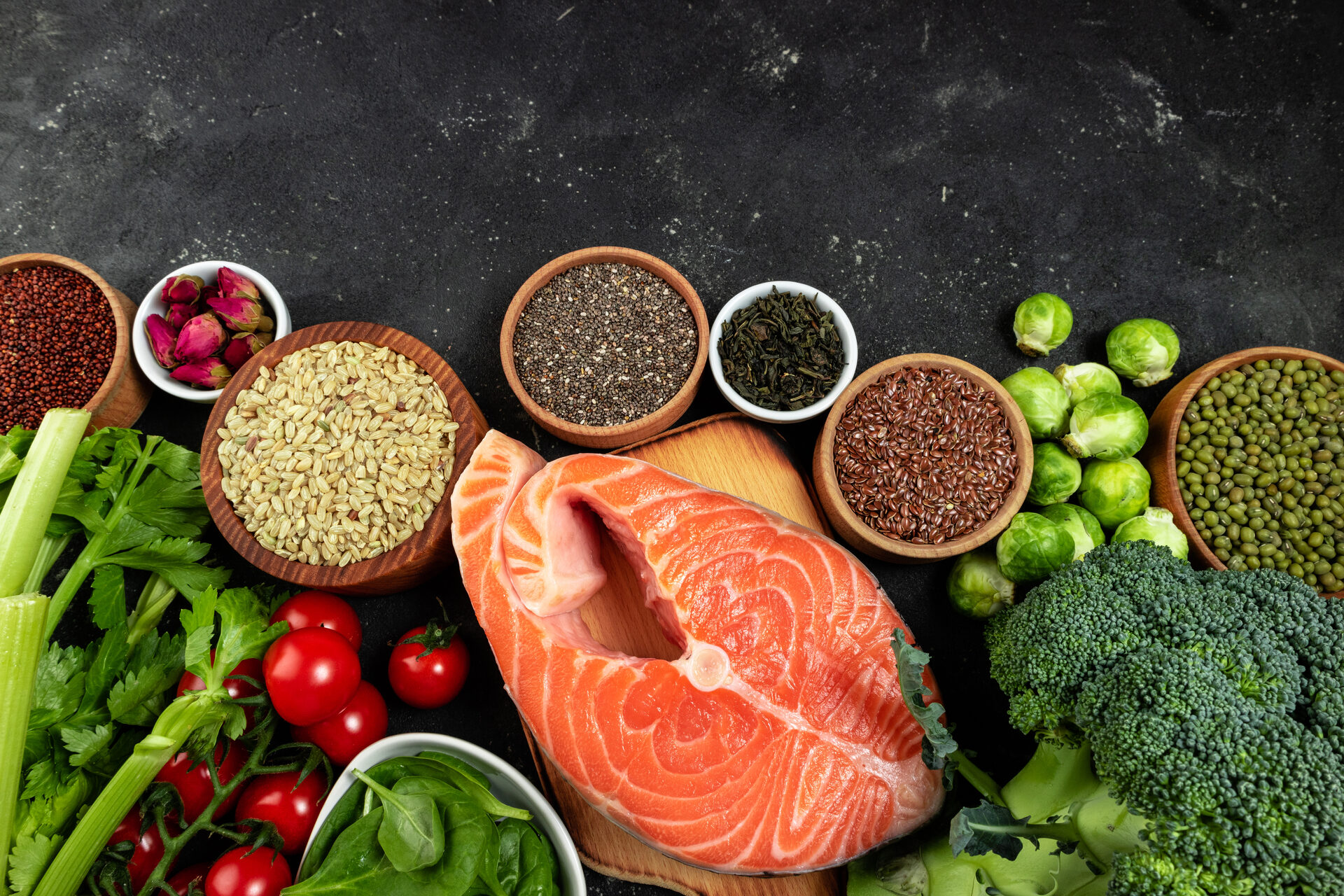
A Mediterranean-style pattern emphasizes vegetables, fruits, legumes, whole grains, nuts, olive oil and fish, with limited highly processed foods. It supports cardiovascular and metabolic health, which is relevant because diabetes, vascular disease and inflammation affect the eye. It has not been proved to cure established dry eye.
Food provides fiber and multiple nutrients without the extreme doses found in supplements. A sustainable pattern is preferable to a rigid list of “healing foods.” Patients with kidney disease, diabetes, anticoagulation, food allergy or eating-disorder risk need individualized nutrition advice.
Vitamin A is essential for epithelial differentiation and goblet cells. True deficiency can cause severe ocular-surface disease and night blindness. In the United States, deficiency is more likely with malabsorption, liver disease, bariatric surgery, highly restrictive diets or specific systemic conditions.
High-dose preformed vitamin A can cause liver injury, birth defects and other toxicity. Beta-carotene supplements raise lung-cancer risk in smokers and former smokers. Do not use megadoses for nonspecific dryness without evidence of deficiency.
Low vitamin D levels have been associated with dry eye in observational studies, but deficiency may be a marker of health, sun exposure or inflammation. Trials of supplementation show mixed results. Treat documented deficiency for established health reasons; do not promise tear-film restoration.
Vitamins C and E, zinc, selenium, B vitamins and carotenoids have antioxidant roles, yet no general dry-eye supplement formula has the evidence base of a disease-specific medication. Interactions and upper intake limits matter.
Gluten-free diets are medically necessary for celiac disease and sometimes used in other diagnosed conditions. They are not universal dry-eye treatment. Eliminating dairy, nightshades, seed oils or multiple food groups without evidence can reduce nutrition, increase cost and promote fear.
An elimination trial should have a plausible target, limited duration, nutritional plan and structured reintroduction. Symptom fluctuation and expectation can create false attribution. Formal allergy testing does not diagnose every food intolerance, and IgG food panels are not validated as broad dry-eye guides.
Patients with Sjögren disease or autoimmune illness deserve evidence-based systemic care, not blame for failing to eat perfectly.
Concentrated digital work reduces blink frequency and increases incomplete blinking. Tear-film breakup then occurs before renewal, producing blur that often clears after a blink.
Useful adjustments include:
The 20-20-20 rule is a memorable prompt, not a precise dry-eye prescription. Looking far away relaxes accommodation; full blinking renews tears. Blue-light filtering has not been shown to correct blink behavior or tear-film disease. See screens, blue light and eye health.
Poor sleep is associated with dry-eye symptoms, pain and reduced quality of life. Direction of causation is bidirectional: pain disrupts sleep, and sleep loss amplifies pain and inflammatory stress.
Good sleep timing, management of insomnia and treatment of sleep apnea support general health. Patients should not stop CPAP because of eye dryness. Mask leak can direct air toward the eyes, and refitting, humidification or eye protection can be coordinated with the sleep team.
Morning pain may indicate nocturnal lagophthalmos or recurrent corneal erosion. Ointment sometimes helps, but diagnosis is more important than indefinite self-treatment.
For a more detailed explanation of symptoms after sleep, read why you may wake up with dry eyes, including eyelid closure, bedroom airflow and CPAP-related questions.
Physical activity supports cardiometabolic health, mood and sleep. A literature review suggests potential favorable effects on tear-film characteristics, but studies are heterogeneous and do not establish a specific exercise prescription for dry eye.
Outdoor exercise can expose eyes to wind, pollen, smoke and UV. Wraparound eyewear may improve comfort. Indoor fans should not blow directly at the face. Contact lenses and hydration need activity-appropriate care.
Exercise should match cardiovascular, orthopedic and systemic medical guidance. It complements but does not replace local treatment.
Tobacco smoke irritates the ocular surface and is associated with dry-eye symptoms and multiple eye diseases. Smoking cessation is one of the strongest general eye-health actions. Secondhand smoke and wildfire particulate matter can also provoke symptoms.
Vaping aerosols contain solvents, flavor chemicals and particulates; long-term ocular evidence is still developing. “Smoke-free” does not mean harmless to the surface.
During poor-air-quality days, reduce exposure, use appropriate filtration and follow public-health advice. Lubricants can improve comfort but do not neutralize inhaled pollution.
Low humidity and moving air increase evaporation. A maintained humidifier may help in a dry room. Excess indoor humidity can promote mold and dust mites, aggravating allergy.
Moisture-chamber glasses create a local humid environment and can be useful in wind, air travel or severe aqueous deficiency. Wraparound sunglasses also reduce airflow but should provide verified UV protection outdoors.
Do not seal the eye in a contaminated environment or use occlusive products without guidance when infection is possible.
Follow replacement schedules, hand hygiene, solution instructions and wear limits. Avoid sleeping, showering or swimming in lenses unless a clinician has given a specific medical plan. Water exposure increases infection risk.
If dryness develops, reduce wear and seek assessment rather than repeatedly adding incompatible drops. Daily disposables, different materials, reduced hours or specialty lenses may help selected patients.
Pain, redness, light sensitivity or reduced vision during lens use is urgent.
Eyeliner placed on the waterline can obstruct or contaminate meibomian openings. Glitter and loose powder can enter tears. Old mascara and shared cosmetics increase contamination risk.
Remove makeup gently and replace products as recommended. Eyelash extension adhesives and cosmetic serums can cause allergy or inflammation. Retinoid and acne products should not migrate into the eye.
Lid hygiene should match diagnosis. Aggressive scrubbing, undiluted tea tree oil and essential oils can worsen the surface.
Stress changes sleep, muscle tension, blinking, autonomic function and pain perception. Dry-eye symptoms can create stress in return. Addressing stress is valid supportive care, not a claim that disease is imaginary.
Mindfulness, cognitive behavioral therapy, paced activity and mental-health treatment can improve coping and pain-related disability. They do not replace treatment of staining, MGD, Sjögren disease or infection.
Oral products can interact with anticoagulants, diabetes medicines, immunosuppressants, antidepressants and surgery. Quality and dose vary. Pregnancy, liver and kidney disease require special caution.
Do not put household oils, herbal decoctions, honey, saliva or homemade saline into the eye. These are different from sterile ophthalmic medicines formulated for ocular use. A household ingredient does not inherit the safety or evidence of a regulated eye preparation.
Change a small number of variables and define outcomes. For example:
After four weeks, review adherence and context. Travel, allergy season or a new medicine may confound results. Continue actions that are helpful and sustainable; discard burdensome rituals with no benefit.
Lifestyle recommendations are easier to evaluate when placed on an evidence ladder.
At the first level are actions with a direct physical mechanism and low risk: redirecting airflow, improving blink completeness, following contact-lens hygiene and avoiding smoke. These can be recommended broadly while acknowledging that effect size varies.
At the second level are health behaviors with strong general benefits but less direct dry-eye evidence: regular exercise, adequate sleep, smoking cessation and a balanced diet. They belong in care because they improve overall health, not because every patient’s tear film will normalize.
At the third level are optional interventions with mixed dry-eye trials: omega-3 supplements, specific nutraceuticals, acupuncture and certain device-based behavior programs. They deserve a defined trial, cost and safety review.
At the fourth level are claims based mainly on testimonials, laboratory mechanisms or commercial theory: detoxes, gland-regrowth diets, universal microbiome protocols and extreme elimination diets. These should not be promoted as established treatment.
This ladder prevents two mistakes. “Evidence is imperfect” does not mean habits are useless, and “there is a plausible mechanism” does not mean a product is proven.
Ergonomics changes exposed surface area and attention. The top of a desktop monitor placed at or slightly below eye level allows a modest downward gaze. A laptop sitting far below the visual axis may reduce eye opening but strain the neck, so an external keyboard can help balance posture and ocular exposure.
Text should be large enough to avoid squinting or leaning forward. Contrast should be comfortable, and reflections from windows or overhead lights should be reduced. Extreme screen brightness in a dark room increases discomfort but is not proof of retinal injury.
Task design matters more than any app. Alternate data entry, calls, walking and paper review when possible. Put blink reminders at natural transitions rather than creating constant distracting alerts. During each reset, close gently, pause and reopen several times; rapid partial fluttering does not redistribute tears as effectively.
Video meetings, gaming and driving often suppress blinking because attention remains fixed. A reminder before the activity and deliberate blinks during safe pauses can help. Never perform exercises that distract from road safety.
Air travel combines low humidity, vents, prolonged screen use and disrupted sleep. Carry clinician-approved preservative-free drops within travel rules, direct the nozzle away, reduce contact-lens wear if needed and avoid sleeping in lenses. Moisture-chamber glasses may help severe disease.
Winter heating can be more provocative than outdoor cold. Measure indoor humidity rather than assuming; over-humidification promotes mold. Summer air conditioning and vehicle vents can create a local dry microclimate even in a humid region.
Allergy seasons add itch and antihistamine use. A preplanned regimen from an eye or allergy clinician is safer than alternating drying oral medicine and redness-relief drops. Wildfire seasons require public-health air guidance, filtration and reduced outdoor exposure.
Patients who improve in one climate and worsen in another are not imagining symptoms. Environment changes the demand on a finite tear reserve. Moving is rarely the first medical recommendation, but work and travel plans can include practical protection.
Drop technique changes both effect and waste. Wash hands, avoid touching the tip, instill one drop and close gently. If several eye medicines are used, separate them by the interval recommended and apply ointment last. Punctal pressure may reduce systemic absorption of selected drugs.
Adherence improves with linking drops to existing routines, phone reminders, a written schedule and spare supplies stored according to labeling. Refrigeration can make some drops feel more comfortable, but not every product should be chilled.
Medication review includes over-the-counter sleep aids, allergy products and bladder or motion-sickness drugs with anticholinergic effects. The goal is not to stop necessary treatment. A pharmacist or prescriber can identify cumulative burden and alternatives.
Using fewer preserved bottles may improve the surface when medically possible. Glaucoma, allergy and postoperative therapy require coordination; dry-eye comfort must not compromise pressure or surgical outcomes.
The following examples are illustrative clinical patterns, not reports of Netra patients or promised treatment outcomes.
The plan prioritizes a lower monitor, vent redirection, complete-blink resets, prescribed lid heat and a compatible lubricant. Success is measured by evening symptoms and uninterrupted task time. An omega-3 supplement is optional and considered only after medication and bleeding review.
Lifestyle focuses on moisture conservation, smoke avoidance, ordinary hydration, dental protection, medication adherence and pacing. The patient continues prescription anti-inflammatory drops, rheumatology care and any scleral-lens protocol. A restrictive anti-inflammatory diet does not replace systemic evaluation.
The plan follows replacement and cleaning instructions, avoids water and overnight wear, limits hours during flares and uses only lens-compatible drops. Redness or pain triggers lens removal and urgent assessment. Screen adjustments support but do not make unsafe wear acceptable.
The plan follows the surgeon’s drops and restrictions, protects from direct airflow and avoids rubbing or nonsterile products. New pain or reduced vision is reported rather than labeled dryness. Supplements with bleeding or drug-interaction potential are not started around surgery without approval.
Obesity, diabetes and metabolic syndrome have been associated with dry-eye symptoms or gland dysfunction in observational research. Mechanisms may include inflammation, neuropathy, medication and altered lipid metabolism. These associations do not justify weight stigma or promise that weight loss cures dry eye.
Stable glucose supports ocular and systemic health. Rapid glucose shifts can blur vision through lens refraction, while diabetes can reduce corneal sensation and healing. A patient with variable vision needs retinal, lens and surface assessment rather than assuming hydration is the cause.
Nutrition and activity plans should be medically appropriate and sustainable. Very-low-carbohydrate or fasting regimens can affect hydration, medication dosing and nutrient intake. Diabetes clinicians should guide them.
Research links intestinal microbiota, immune signaling and ocular-surface inflammation in animal models and observational studies. Sjögren disease and other immune conditions make the hypothesis especially interesting.
Human evidence does not yet define a universal probiotic, stool test or microbiome diet for dry eye. Commercial testing may produce detailed reports without validated treatment targets. Probiotics can cause adverse effects or infection in vulnerable immunocompromised patients.
Eating diverse fiber-rich foods is reasonable for general health when tolerated. It should not be described as restoring lacrimal glands. NRT and other integrative programs should label gut-eye strategies as emerging rather than established disease modification.
Very pale urine can simply reflect high intake and is not a tear-film measure. Hydration targets should follow systemic health, not a social-media color chart.
They do not make a person blink fully or reduce airflow. Some people prefer a tint for comfort, but it is not a tear-film treatment.
Lack of response does not justify endless dose escalation. Formulation, phenotype and true ineffectiveness are possible. Higher doses increase cost and adverse-effect concerns.
Broad claims exceed clinical evidence. Overall dietary pattern and energy balance matter more than demonizing one ingredient category without a diagnosed intolerance.
Heat and dehydration can worsen symptoms, while controlled eyelid warming is a local, measured therapy. Sweating does not remove ocular toxins or regenerate glands.
Only sterile ophthalmic formulations tested for ocular use should enter the eye. Cosmetic or food-grade oil is not an acceptable substitute.
Patients with chronic dry eye often receive dozens of recommendations. Too many reminders, supplements and devices can dominate the day and increase anxiety. Prioritize habits by mechanism, evidence, effort and personal relevance.
Use a minimum effective routine. If two actions produce no observable benefit after an adequate trial, stop them with clinician guidance. Keep emergency instructions separate from wellness goals. Ask family or employers for specific accommodations rather than expecting them to understand a long diagnosis.
Quality of life is not improved if every waking hour becomes treatment. A sustainable plan protects the surface and preserves participation.
Persistent symptoms despite sensible habits are not a personal failure. Significant MGD may require prescription or procedural care. Aqueous deficiency may require anti-inflammatory therapy, tear conservation, secretagogues, serum tears or scleral lenses. Exposure can require eyelid treatment, and autoimmune disease needs systemic coordination.
Objective danger overrides a lifestyle trial. Corneal staining that progresses, an epithelial defect, reduced sensation, filamentary keratitis or focal opacity needs medical protection. Severe pain out of proportion may require neuropathic evaluation rather than another diet.
Seek prompt care for new one-sided redness, marked photophobia, discharge, trauma, chemical exposure, reduced vision or a painful contact-lens eye. A curtain, flashes or neurologic visual symptoms are not dry-eye lifestyle problems.
The right escalation preserves the value of habits. Environment and sleep still support comfort while prescriptions or procedures address biology that habits cannot correct.
Before concluding that lifestyle “failed,” confirm that the chosen action matched the mechanism and was performed safely for a reasonable interval. A blink reminder cannot correct lacrimal-gland failure, and extra water cannot stabilize severe exposure. Conversely, an expensive procedure may underperform if direct airflow and incomplete blinking continue every day. Diagnosis and daily context must inform each other.
A brief written review every month can identify which habits clearly help, which remain uncertain and which create burden. That process keeps self-care practical, reduces spending on redundant products and gives the clinical team better information for the next treatment decision.
If Netra Restoration Therapy is considered, ask which components are proposed and how they relate to the established diagnosis. Review of sleep, screens, diet, hydration, environment and medicines may identify practical issues. Any acupuncture or botanical component requires its own evidence and suitability assessment.
Acupuncture trials and meta-analyses report improvements in selected symptoms and tear tests, but diagnostic criteria, protocols, controls and durability vary. NRT should therefore set individualized, measurable goals and continue prescribed ocular-surface care. Research on a component does not establish the effectiveness of the entire NRT program. [8]
Herbal or nutritional components require disclosure, quality review and interaction screening. NRT cannot claim to regenerate absent meibomian glands, reverse Sjögren disease or make urgent ophthalmic care unnecessary.
Learn about Netra Restoration Therapy for dry eye, Netra Eye Institute’s approach and how to request an appointment.
There is no universal dry-eye volume. Meet normal needs and replace losses according to health and climate. Follow clinician guidance if you have heart, kidney or electrolyte conditions.
Not automatically. Track whether dose and timing affect symptoms or sleep. Moderate habitual intake is not established as a universal cause.
Evidence is mixed. Discuss product, dose, bleeding risk, diet and a defined trial with a clinician. It is optional adjunctive care, not a replacement.
It is indicated for celiac disease, not all dry eye. Restriction without diagnosis can add cost and nutritional risk.
No. Exercise supports general health and may influence tear function, but it cannot reliably reopen obstructed glands or reverse dropout.
No. NRT may help personalize and support habits, but it does not remove the need for airflow, blink, lens and medication safety or conventional treatment.
Lifestyle works best as load management. Hydration corrects dehydration; complete blinking renews tears; clean air and humidity reduce evaporation; balanced food supports systemic health; sleep and exercise improve resilience. None is a universal cure.
Use low-risk habits consistently, test optional supplements honestly and protect nutrition and medical treatment. NRT may strengthen an individualized plan when evidence boundaries remain clear.
The best routine remains useful on ordinary days, not only during a highly controlled experiment. Durability, affordability and enjoyment are legitimate outcomes alongside symptom scores.
Review it whenever health, medicines, climate or work demands change substantially.
This article provides general education and does not replace an individual eye examination, diagnosis or treatment plan. Seek prompt clinical advice for new pain, a red eye with reduced vision or a significant visual change.