Search conditions, treatments, research reviews and articles. Press Enter to see all results, Esc to close.
Search conditions, treatments, research reviews and articles. Press Enter to see all results, Esc to close.
Blog
August 9, 2026
Intense pulsed light (IPL) treats dry eye driven by meibomian gland dysfunction and rosacea, not dry eye in general. Light pulses applied to the skin around the eyelids reduce inflammation and loosen hardened oil, usually over a course of three or four sessions. This page covers where IPL fits among the other options.
The modern dry-eye marketplace is crowded. Shelves contain dozens of drops; clinics offer multiple devices; online communities promote oils, supplements and home routines. The abundance can make treatment feel like trial and error.
A better framework begins with mechanism. What is the intervention trying to replenish, conserve, stimulate, unblock, suppress, protect or retrain? How long should it take? What outcome will show that it helped? What risk requires monitoring?
This article compares treatment categories and decision principles. It complements Netra Eye Institute’s dry-eye condition page and the separate guide to dry-eye diagnostic testing.
Dry eye is often chronic, but chronic does not mean untreatable. Goals include protecting epithelium, stabilizing the tear film, reducing pain, improving optical quality, increasing task endurance and minimizing treatment burden.
The goal differs by patient. A person with mild screen-related evaporation may want comfortable workdays. A patient with Sjögren disease and filaments needs tissue protection even if discomfort is modest. Someone with neuropathic pain needs a plan that addresses both surface and nerve mechanisms.
Outcomes can include staining, breakup time, tear volume, gland secretion, drop frequency, contact-lens hours, reading duration, night comfort or pain score. A realistic plan names two or three rather than promising a cure.
Reducing evaporation is low risk and helps many phenotypes:
These changes do not repair autoimmune lacrimal damage or severe gland dropout. Their value is load reduction. If behavior is the only intervention offered to a patient with significant staining, care is incomplete.
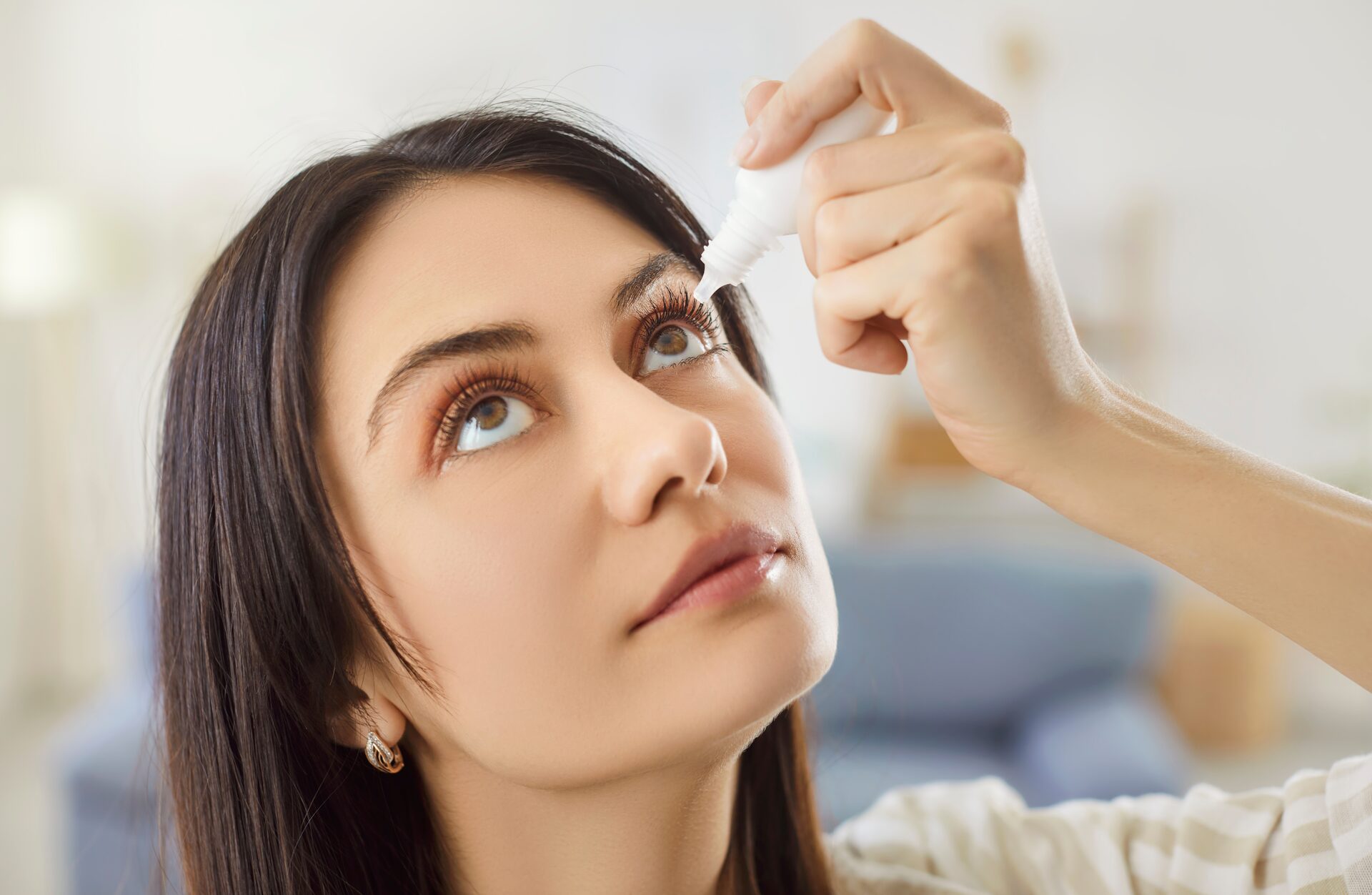
Artificial tears add water, viscosity and surface-active polymers. Common ingredients include carboxymethylcellulose, hydroxypropyl guar, hyaluronic acid, glycerin, polyethylene glycol, propylene glycol and lipid components. Brand names can obscure meaningful formulation differences.
Multidose bottles need antimicrobial protection unless they use specialized delivery systems. Preservatives can be tolerated with occasional use, but frequent exposure or a compromised epithelium may add toxicity. Preservative-free single-use vials or filter bottles are often preferred when drops are used many times daily, after surgery or with severe disease.
“Preservative-free” does not guarantee comfort or effectiveness. Packaging technique and contamination prevention remain important.
Thin drops interfere less with vision but clear quickly. Gels and ointments remain longer and suit bedtime or severe exposure, yet blur and lid residue can be troublesome. A patient who drives immediately after ointment use may be unsafe.
Emulsions and lipid sprays aim to support the evaporative surface. They may suit MGD-associated disease, while low-volume aqueous deficiency may need additional water and conservation. No retail drop reproduces the full complexity of natural tears.
Wash hands, avoid touching the tip, use one drop and close gently. More than one drop mostly spills. Space different medications by several minutes and use ointment last. If a bottle tip touches lashes or the eye, contamination risk rises.
Redness-relief vasoconstrictors are not routine dry-eye therapy. Topical anesthetics must never be used repeatedly at home because they can cause severe epithelial injury.
Heat aims to soften altered meibum. Effective devices retain a safe temperature long enough to warm the inner lid; a wet washcloth cools rapidly. Excessive heat can burn skin and aggravate rosacea.
After warming, gentle blinking or clinician-directed massage may help secretion. Forceful home squeezing can traumatize lids. Technique, duration and maintenance should be individualized.
Lid hygiene targets anterior blepharitis, debris or Demodex-associated disease. Hypochlorous products, dedicated cleansers and prescription Demodex therapy have different roles. Undiluted tea tree oil and harsh soap can irritate the surface.
Rosacea may require dermatologic measures, topical treatment or oral tetracycline-class medication for selected patients. Pregnancy, gastrointestinal effects, photosensitivity and interactions require review.
Inflammation is a common perpetuating mechanism, but prescriptions differ.
Topical cyclosporine reduces T-cell-mediated inflammation and can increase tear production in patients whose secretion is suppressed by ocular inflammation. Formulations use different concentrations and vehicles. Burning on instillation is common, and benefit often develops over weeks to months.
Adherence, expectations and continued lubrication during onset matter. Failure of one formulation does not prove the mechanism irrelevant, but indefinite use without benefit should be reassessed.
Lifitegrast inhibits LFA-1/ICAM-1 interaction involved in T-cell adhesion and inflammation. It is approved for signs and symptoms of dry eye. Dysgeusia, burning and transient blur can occur. Response is variable.
Steroids can reduce inflammation quickly and are sometimes used as a limited induction or flare treatment. Risks include elevated IOP, cataract, delayed healing and infection. Herpetic keratitis can worsen dramatically if misdiagnosed.
“Soft steroid” does not mean no monitoring. Dose and duration belong under an eye-care prescriber.
Short-term antibiotics may be used for lid disease, while oral doxycycline or azithromycin can affect meibum and inflammation. These are not universal dry-eye antibiotics. Emerging and region-specific drugs have their own approvals and evidence.
Varenicline nasal spray activates nicotinic receptors in the nasal cavity and stimulates the trigeminal parasympathetic pathway, increasing natural tear production. Sneezing, cough and nasal irritation can occur. It avoids direct ocular instillation but is not appropriate for every patient.
Oral secretagogues such as pilocarpine or cevimeline are primarily used in Sjögren-related sicca and affect salivary as well as tear secretion. Sweating, gastrointestinal effects, cardiovascular and pulmonary considerations limit use. Systemic clinicians should guide them.
Perfluorohexyloctane is a water-free semifluorinated alkane approved for dry-eye signs and symptoms associated with MGD. It spreads across the tear surface and reduces evaporation. Randomized trials and meta-analysis report improvements in staining and symptoms.
It does not physically remove obstruction or grow glands. It targets evaporation, so lid disease and inflammation may still need treatment.
Punctal plugs reduce tear drainage. Temporary collagen plugs may test effect; silicone plugs can last longer; thermal cautery provides more durable closure.
Potential benefits are increased tear retention and reduced drop burden. Risks include overflow tearing, irritation, extrusion, migration, granuloma, infection and canalicular inflammation. Occluding drainage when inflammatory surface disease is uncontrolled may retain unwanted mediators, though clinical sequencing varies.
Plugs do not correct MGD, exposure or neuropathic pain. They are best viewed as a tear-conservation tool within a phenotype-specific plan.
Devices heat lids and apply pressure to evacuate obstructed secretion. Trials show improvement in selected MGD signs and symptoms, but effect size, duration and comparative evidence vary. Treatment cannot restore glands that are absent.
IPL applies filtered light to periocular skin and is often combined with expression. Proposed mechanisms include reducing telangiectatic vessels and inflammatory mediators, heating meibum and affecting Demodex. Protocols and devices differ. Darker skin types, photosensitizing medicines and ocular protection require careful selection.
Evidence for low-level light, radiofrequency, ultrasound, debridement and probing varies. Meibomian-gland probing is particularly debated; some patients report benefit, but high-quality comparative evidence and standardized indications remain limited.
A credible consent discussion covers alternatives, cost, discomfort, durability, maintenance and uncertainty. Package sales should not replace diagnosis.
Demodex blepharitis is associated with collarettes at the lash base. Lotilaner ophthalmic solution is an FDA-approved targeted treatment. Mechanical cleansing or other regimens may help selected patients, but concentrated essential oils can be toxic around the eye.
Eradicating collarettes may improve lid health without resolving every dry-eye mechanism. MGD, allergy and aqueous deficiency can persist.
Scleral lenses vault the cornea and hold a fluid reservoir, protecting severe ocular surfaces and improving optics. They can be transformative in Sjögren disease, graft-versus-host disease, exposure, irregular cornea and selected neurotrophic cases.
Fitting requires expertise. Midday fogging, bubbles, hypoxia, conjunctival compression, deposits, handling difficulty and infection risk need management. Only sterile preservative-free filling solution intended for the use should enter the reservoir.
Bandage soft lenses protect healing epithelium but increase infection risk and require monitoring. Contact-lens pain or redness is urgent until infection is excluded.
Autologous serum tears contain growth factors, vitamins and proteins derived from the patient’s blood. Platelet-rich plasma and related products use different preparation methods. They are considered for severe epithelial disease, neurotrophic keratopathy, Sjögren disease and refractory symptoms.
Concentration, manufacturing, storage, sterility and dosing vary. Evidence supports potential benefit but studies are heterogeneous. These products are not ordinary wellness drops and require regulated preparation and refrigeration or freezing instructions.
Cryopreserved or dehydrated amniotic membrane can support healing in selected severe epithelial or inflammatory disease. Devices may be uncomfortable and blur vision temporarily. They do not replace treatment of infection, exposure or systemic disease.
Persistent epithelial defects may require tarsorrhaphy, botulinum-induced ptosis, nerve-growth-factor therapy for neurotrophic keratitis, tissue adhesive or surgery. At this level, the term “dry eye” understates the corneal risk.
When pain is disproportionate to surface findings or persists after the surface stabilizes, evaluation may include corneal sensation, anesthetic response, migraine, allodynia and systemic pain. Surface disease can coexist and still needs treatment.
Management may involve corneal specialists, neurology, pain medicine and mental-health support. Systemic neuromodulatory medicines have risks and require prescribers. Repeated procedures directed at normal-appearing glands can worsen distress when the dominant mechanism is neuropathic.
Omega-3 research is conflicting. DREAM found no advantage of high-dose fish-derived omega-3 over an olive-oil control, while some meta-analyses report improvements in symptoms or signs across heterogeneous trials. Product form, dose, diet and phenotype differ.
Supplements can cause gastrointestinal symptoms, interact with anticoagulants and add cost. They should not be framed as mandatory or as a substitute for proven treatment. Correct true nutritional deficiency, but avoid megadosing vitamin A or other fat-soluble nutrients.
A balanced dietary pattern supports cardiometabolic health. Adequate hydration is reasonable; excessive water does not cure gland obstruction or Sjögren disease.
Antihistamines, anticholinergic medicines, isotretinoin and other drugs can contribute. Chronic topical preservatives can add surface burden. The solution is coordinated review, not abrupt cessation.
A prescriber may change timing, dose, formulation or drug when medically appropriate. In glaucoma, preservative reduction, combination drops or laser may be considered without compromising pressure control. Cancer, psychiatric and cardiovascular therapy must remain protected.
The 2025 TFOS DEWS III report favors matching treatment to etiologic drivers. A practical sequence is:
Severe disease may require several steps at once. Mild disease should not be overtreated simply because technology is available.
When symptoms build during concentrated work, examination may show incomplete blinking, rapid breakup and MGD with reasonable tear volume. Treatment begins by reducing direct airflow, lowering the screen, scheduling complete-blink resets and selecting a lipid-supporting lubricant. Heat or gland therapy may be added when obstruction is documented.
The plan should not focus on blue-blocking glasses as a tear treatment. If pain, staining or functional limitation persists despite better exposure and lid care, reassessment for inflammation, contact-lens factors and neurosensory pain is appropriate.
Very low meniscus, repeated low Schirmer wetting and significant conjunctival or corneal staining shift priorities. Frequent preservative-free lubrication, gel or ointment, anti-inflammatory therapy, tear stimulation, moisture chambers, plugs or scleral lenses may be considered. Dry mouth and systemic symptoms can trigger Sjögren evaluation.
Heat alone does not replace missing aqueous fluid. Punctal occlusion can be useful but requires consideration of inflammation and drainage anatomy. Severe epithelial disease may need serum tears or advanced protection before comfort improves.
This presentation combines gland obstruction with lid-margin inflammation. Heat, appropriate lid hygiene, rosacea management, targeted Demodex treatment and selected office procedures may be combined. A generic baby-shampoo routine is not automatically suitable; detergents can disrupt the surface, and Demodex requires specific therapy.
Dermatology coordination can reduce facial and ocular triggers. Oral tetracycline-class medicine has contraindications and should not be treated as a wellness supplement.
After LASIK, PRK or cataract surgery, preexisting disease, nerve changes, inflammation and topical drops interact. Preservative reduction, lubrication and anti-inflammatory therapy are commonly considered, but the surgeon must exclude infection, epithelial defect, pressure problems and other complications.
New severe pain, photophobia, discharge or loss is urgent. Patients should not discontinue postoperative antibiotics or steroids because they suspect the drops are drying. The regimen can be adjusted only after examination.
Surface protection remains important, but repeated escalation of lubricants and procedures may fail when neuropathic pain dominates. Corneal sensation, anesthetic response, migraine and systemic pain history can guide referral. Scleral lenses help some patients and aggravate others; systemic neuromodulation requires medical oversight.
Validating pain does not require claiming visible inflammation that is not present. A dual surface-and-nerve plan is more accurate.
Some antibiotics, retinoids, herbs and systemic medicines are unsafe in pregnancy. Even topical drugs can have systemic absorption. Punctal occlusion during instillation can reduce nasolacrimal absorption for some medications, but treatment still requires obstetric and eye-care guidance.
Do not assume that preservative-free, herbal or supplement products are automatically pregnancy-safe. Product contamination and undeclared ingredients add uncertainty.
Pediatric dryness may reflect allergy, screen behavior, isotretinoin in adolescents, inflammatory disease, contact lenses or rare systemic disorders. Adult procedures and chronic regimens require age-appropriate evidence and supervision. Persistent photophobia, pain or reduced vision deserves pediatric eye evaluation.
Chronic topical therapy and preservatives can aggravate the surface, while unsupervised steroids can raise pressure. The glaucoma and surface plans must be coordinated. Preservative-free pressure drops, combination therapy, SLT or surgery may reduce bottle burden in selected patients, but pressure control remains primary.
Sjögren disease, graft-versus-host disease and cicatrizing disorders can progress beyond ordinary dryness. Scleral lenses, serum tears, immunomodulation and surgical protection may be required. Infection risk changes with systemic immunosuppression; red-eye treatment should not be improvised.
Reduced sensation can hide epithelial injury. Comfort is not a sufficient outcome; staining and epithelial closure need monitoring. Nerve-growth-factor therapy, protective lenses, tarsorrhaphy or other corneal-specialist measures may be more important than adding another lubricating brand.
Every treatment has a downside profile. Artificial tears can blur, sting or create allergy to an ingredient. Ointments impair vision temporarily. Warm devices can burn. Lid scrubs can irritate. Prescription anti-inflammatory drops can sting or alter taste. Steroids can raise pressure or worsen infection.
Punctal plugs can extrude, migrate or cause tearing and canalicular inflammation. Thermal and light procedures can cause pain, bruising, pigment change or ocular injury if protection and selection are inadequate. Scleral lenses can trap debris, reduce oxygen or introduce infection. Supplements can interact with drugs and surgery.
Adverse effects should be anticipated rather than used to dismiss a patient’s report. A plan includes whom to contact, which symptoms are expected, and which require stopping treatment or urgent examination.
Dry-eye care can consume substantial money and time. Over-the-counter products, single-use packaging, prescriptions, devices, supplements and repeated visits may not be covered. A high-cost option is not necessarily more effective than a well-matched inexpensive one.
Before starting an intervention, ask:
Clinicians can reduce burden by simplifying schedules, aligning refills, choosing combination or preservative-free products when appropriate and avoiding redundant therapies. A patient who cannot sustain the routine has not “failed”; the plan has failed to fit the patient.
Immediate reassessment is needed when a treatment causes reduced vision, severe pain, marked redness, discharge, swelling, rash or systemic reaction. A new epithelial defect or infiltrate changes the pathway.
For nonurgent lack of effect, confirm adherence and technique. Some patients miss the eye, contaminate the tip, apply heat too briefly or stop a slow-acting prescription after one week. Education can rescue an appropriate therapy.
If technique and duration were adequate, revisit the mechanism. Aqueous-deficient disease may not respond to gland-only procedures. Neuropathic pain may not respond to ever-thicker tears. Allergy may worsen with a product excipient. The next step should be a new hypothesis, not automatic escalation.
Escalation is appropriate when tissue remains unsafe, function is severely limited or simpler treatment cannot maintain control. Serum tears, scleral lenses, amniotic membrane and surgical protection should not be withheld from severe disease merely to preserve a “natural-only” philosophy.
Combination therapy is common because mechanisms interact. Still, starting many changes at once makes attribution difficult. When safety permits, stagger major interventions and maintain a treatment log.
A clinician might first replace a toxic preserved lubricant, treat active lid disease and reduce airflow. A prescription immunomodulator can begin with an expected onset, followed later by plug consideration if volume remains low. If severe staining is present, several steps may begin together, and the note should explain why.
At each review, classify therapies as essential, helpful, uncertain or burdensome. Deprescribing ineffective products is part of good dry-eye care. Maintenance should preserve results with the fewest reasonable steps.
Eye products must be sterile. Tap water, homemade saline, saliva, breast milk, essential oils, castor oil, herbal decoctions and non-ophthalmic honey can introduce organisms or cause toxicity. A product that is safe on skin or by mouth is not automatically safe on the cornea.
Single-use vials should be handled according to labeling. Multidose tips should never touch the eye, fingers or countertop. Scleral lenses require sterile filling and correct disinfection; water exposure should be avoided. Old prescriptions and another person’s bottle should not be shared.
Chemical exposure requires immediate copious irrigation and emergency guidance. Do not neutralize one chemical with another or delay rinsing while searching for a preferred solution.
Dry-eye trials vary in definitions, severity, endpoints and follow-up. Statistical improvement in a staining score may be modest, while symptom response may differ. Device trials can be difficult to mask and may use weak comparators. Supplements have formulation and dose variability.
Responsible communication distinguishes FDA approval, randomized evidence, observational experience and biological hypothesis. “Clinically studied” does not mean proven superior; “regenerative” requires evidence of restored tissue, not a better-looking image; and testimonials cannot estimate average benefit or risk.
The same standard applies to NRT. Plausible mechanisms and promising studies justify measured adjunctive use, not guaranteed recovery. Transparent uncertainty strengthens rather than weakens patient-centered care.
Patients should receive a written sequence that distinguishes daily maintenance, flare treatment and emergency instructions. That simple separation prevents accidental steroid overuse, duplicated lubricants and confusion about which medicine protects the cornea versus which one primarily improves comfort. It also makes communication among ophthalmology, primary care and integrative clinicians more reliable.
Whenever possible, the plan should also state expected onset, common adverse effects, storage requirements and the exact date or circumstance for reassessment and simplification.
Netra Restoration Therapy (NRT) may complement standard treatment through individualized assessment of sleep, stress, diet, screens, environment and systemic contributors, plus licensed acupuncture and other integrative strategies.
Randomized trials and systematic reviews of acupuncture report improvements in selected dry-eye symptoms, breakup time, staining or Schirmer measures. Limitations include heterogeneous diagnoses, protocols, control groups and short follow-up. NRT should therefore be offered as an adjunctive trial with defined outcomes—not a cure or substitute for anti-inflammatory drops, gland treatment, scleral lenses or autoimmune care.
NRT planning should begin with the medical phenotype and current regimen. The care team should know which products are added. Oral herbs or supplements require interaction and pregnancy review. Nonsterile herbal liquids, oils or homemade preparations must never be placed in the eye.
Learn about Netra Restoration Therapy for dry eye, Netra Eye Institute’s approach, dry-eye lifestyle evidence and how to request an appointment.
Choose outcomes before beginning. Examples include evening burning, comfortable screen minutes, rescue-drop frequency, staining, breakup time, gland expressibility or lens wear.
Consider onset. Lubricants work immediately but briefly; cyclosporine may take months; a procedure may have delayed or time-limited effect. Natural fluctuation, season and placebo or contextual effects complicate attribution.
Stop or modify treatment for adverse effects, no meaningful benefit after an adequate trial or excessive burden. Improvement can allow simplification; chronic maintenance should be the least complex plan that protects tissue and function.
There is no universal best. Phenotype, frequency, preservatives, viscosity, contact lenses and tolerance determine fit. A clinician or pharmacist can narrow options.
They are generally safer for frequent use, but needing them constantly suggests that underlying disease is not controlled. Excessive instillation can also be burdensome and transiently blur.
No. They may improve secretion and comfort when correctly performed, but chronic obstruction, inflammation and gland loss may require additional care.
Usually not. Duration varies, and maintenance may be needed. Ask for realistic response rates and follow-up rather than guarantees.
Only under clinician guidance. Infection and pressure response must be considered, and repeated exposure increases risk.
No. Any reduction in prescription treatment belongs to the prescribing eye-care professional after objective reassessment. NRT is complementary.
Dry-eye treatment is not a contest between conventional and natural care or between drops and devices. It is a mechanism-matching exercise. Replenish what is missing, reduce what is destabilizing, protect tissue, control inflammation and address structural or systemic disease.
NRT may add whole-person supportive care when claims remain proportional to evidence. The safest program preserves co-management, measures outcomes and never lets an adjunct delay necessary corneal or systemic treatment.
Treatment should also be revisited when life changes. Pregnancy, surgery, a new systemic medicine, relocation, contact-lens use or an autoimmune flare can alter both risk and feasibility. A previously effective maintenance plan may need temporary escalation, simplification or a new mechanism-based assessment.
Medical Disclaimer: This article is for general education and is not medical advice or a personal treatment plan. Prescription drops, steroids, procedures, contact lenses and systemic medicines require qualified clinicians. Seek urgent care for sudden loss, severe pain, marked light sensitivity, trauma, chemical exposure, purulent discharge or contact-lens-associated redness. Do not use topical anesthetic or place nonsterile products in the eye. Netra Restoration Therapy is adjunctive and must not delay or replace ocular-surface treatment, systemic care or emergency evaluation.