Search conditions, treatments, research reviews and articles. Press Enter to see all results, Esc to close.
Search conditions, treatments, research reviews and articles. Press Enter to see all results, Esc to close.

Blog
November 22, 2026
Search for netra tarpana and you will find videos of people doing it in their kitchens. A ring of dough, a spoon of warm ghee, eyes open. It looks simple, and that is the problem.
Netra tarpana holds warm medicated ghee against the open eye for several minutes. In a clinic, that happens after an eye examination and with someone watching. At home, both are missing.
It helps to see the whole procedure before judging whether it can be copied at home. A properly run session has eight parts.
A course is usually five to seven sessions on consecutive or alternate days, each taking 30 to 45 minutes with preparation and rest.
Online videos show steps two to four. They leave out the examination, the temperature checks, the controlled drainage and the person whose job is to watch your eye. Those are the parts that keep the procedure safe.
The same name covers very different exposures. One published dry-eye study used a pool of about 10 to 15 mL held for 30 minutes. A clinic may hold a smaller amount for five minutes on a first visit.
A home attempt has no defined volume, time or temperature. You are not repeating a studied treatment. You are improvising one.
A proper session starts with an examination, before any ghee is warmed. The practitioner checks the cornea for scratches or breaks in its surface, looks at the lid margins and oil glands, and confirms the eye is calm.
You cannot do that in a bathroom mirror. A small break in the corneal surface may feel like nothing more than mild grittiness. In an eye with reduced corneal sensation, an injury can cause little discomfort at all. Warm fat held over a broken surface, or over an early infection, can delay the treatment the eye needs. Herpes simplex keratitis in particular can be provoked and made worse.
Ghee for tarpana is warmed to a little above body temperature. In a clinic it is tested on the practitioner's wrist, then on your forearm, before it goes anywhere near the eye.
Ghee holds heat well and cools slowly. A spoonful that feels fine on a fingertip can still be too hot for the cornea, and ghee that is too hot can damage it. Comfort on the skin also says little about what a cornea tolerates over a long exposure.
Good clinical practice is a fresh, dedicated portion of ghee for each patient, from a source that can document what is in it. Ghee at home comes from a jar that has been opened, dipped into and reheated. Unfiltered particles in the ghee are one of the known hazards of this procedure.
Ghee keeps well in a cupboard because it holds almost no water, which limits how fast microbes multiply. That is not the same as sterile. Viable contaminants, including spores, can survive in it, and warming ghee until it flows has no validated sterilizing effect.
Food-grade ghee is also judged by food standards. A jar can meet the 99.6% milk-fat standard and still carry microscopic debris or oxidised fat that nobody tested against an eye. The dough ring can add particles and microbes of its own.
Some online recipes add herbs, powders or kajal-type products. Preparations of that kind have been shown to contain lead.
A 2017 report in BMJ Case Reports describes a person who treated red eyes at home with ghee, goat's milk and other drops, and developed severe disease in both eyes. With several remedies and an eye that was already ill, the harm cannot be pinned on ghee alone. It does show the setting to avoid: an inflamed eye and household remedies.
Every extra step at home adds another route for contamination: moving ghee between bowls, reopening the jar, stirring in a powder, testing it with a finger. A clinic controls those steps because each one matters when the destination is an open eye.
The ring should be sealed on the bony rim of the eye socket. Pressed onto the soft tissue over the eye, it can pass force to the eyeball. Lying flat for a long time also raises eye pressure slightly in everyone, which matters if you have glaucoma.
During a session, pain or stinging that does not settle means the session ends. The practitioner opens a small gap at the outer corner of the dough so the ghee drains away from the eye, not across it.
At home you are lying flat with oil over both eyes, unable to see clearly, trying to manage that yourself. Vision then stays blurred for anywhere from 20 minutes to a few hours, and driving is unsafe until it clears.
Oil over the cornea smears vision and puts halos around lights. This usually clears within an hour and occasionally takes an afternoon.
A clinic plans for that. You are told not to drive, and someone checks how you are seeing before you leave. At home, people tend to carry on with their day, and a blurred hour behind the wheel or on the stairs is a risk that has nothing to do with the eye itself.
Blur that lasts into the next morning is not expected. Blur that comes with pain should never be put down to leftover ghee.
The skin of the eyelid is thin and reacts easily. Stinging, redness of the lid skin and contact dermatitis around the eye can all follow a session, and plant-based preparations can trigger allergy.
Contact lenses are a separate problem. Oil residue damages both soft and rigid lenses, and putting a lens back onto an oiled eye raises the risk of keratitis. Lenses stay out for the rest of the day.
Clinic screening exists to catch these. Netra tarpana is not suitable if you have:
Contact lens wearers also need to leave their lenses out for the rest of the day. People with a cow's milk protein allergy should say so first, because allergy guidance lists ghee as a product of concern. Most people trying this at home have had none of this checked.
Netra tarpana is a supportive therapy. It does not lower eye pressure, remove a cataract or correct the need for glasses, and it does not replace the treatment your ophthalmologist prescribes. In glaucoma, it is used as a co-treatment alongside that care, directed at factors other than eye pressure. That is a clinical decision, made with a diagnosis in hand. At Netra Eye Institute, tarpana is also only one part of a wider program, Netra Restoration Therapy, which includes Traditional Chinese Medicine for eye disorders. The most serious harm we see discussed is a person who feels treated at home while a condition that needs real treatment goes unchecked.
The evidence behind tarpana is also modest, even when it is done well. The published trials are small, ranging from single cases to a few dozen patients per group, with no large multicenter studies. In one comparison, a plain ghee fraction did about as well as a medicated one. That is a reasonable basis for trying it under supervision for dry eye. It is a thin basis for taking risks with it on your own.
Household ghee should not be put in the eye or used for a home eye bath. A clean warm compress on closed lids for about ten minutes gives you warmth on the lids with far less risk.
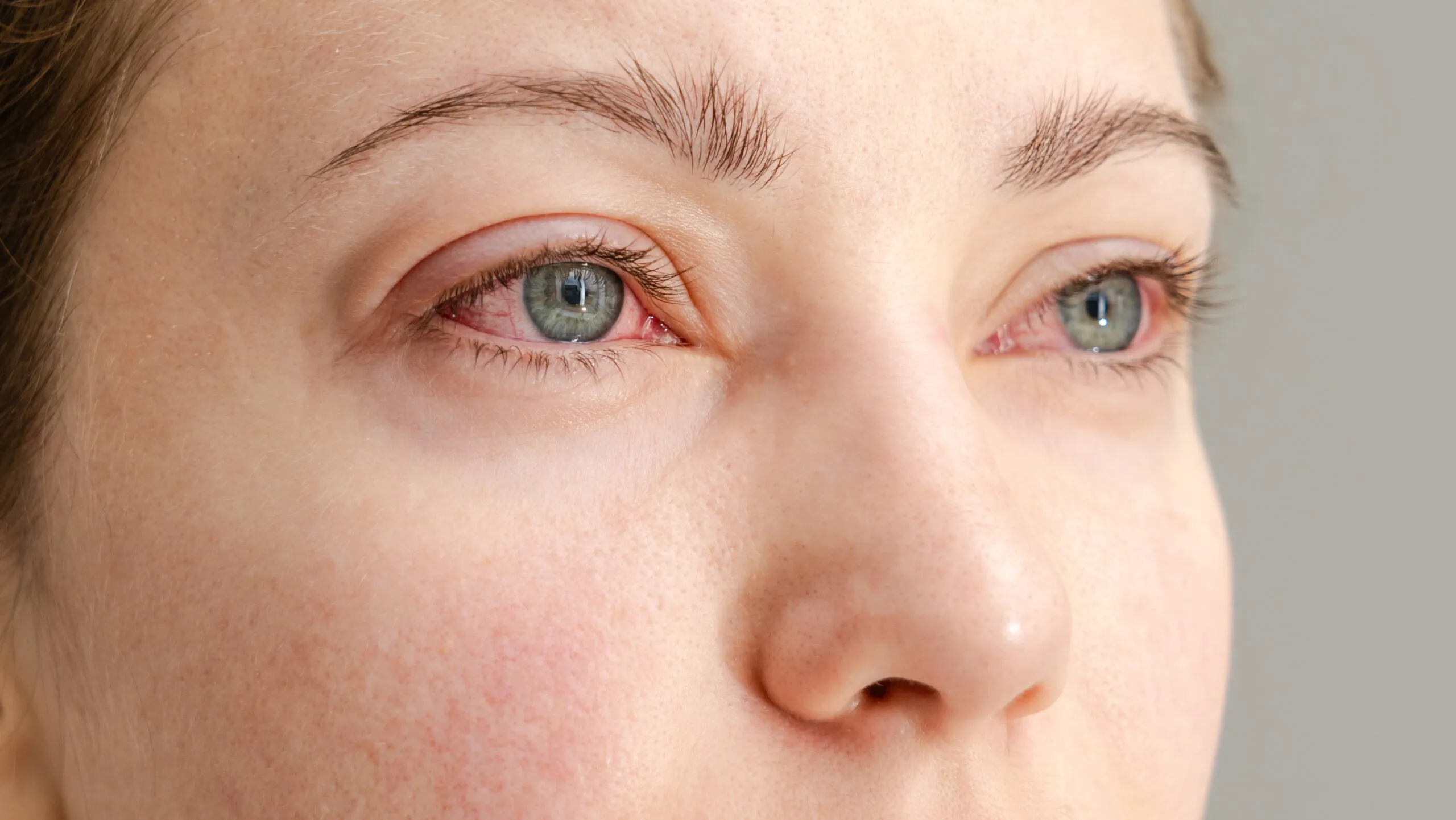
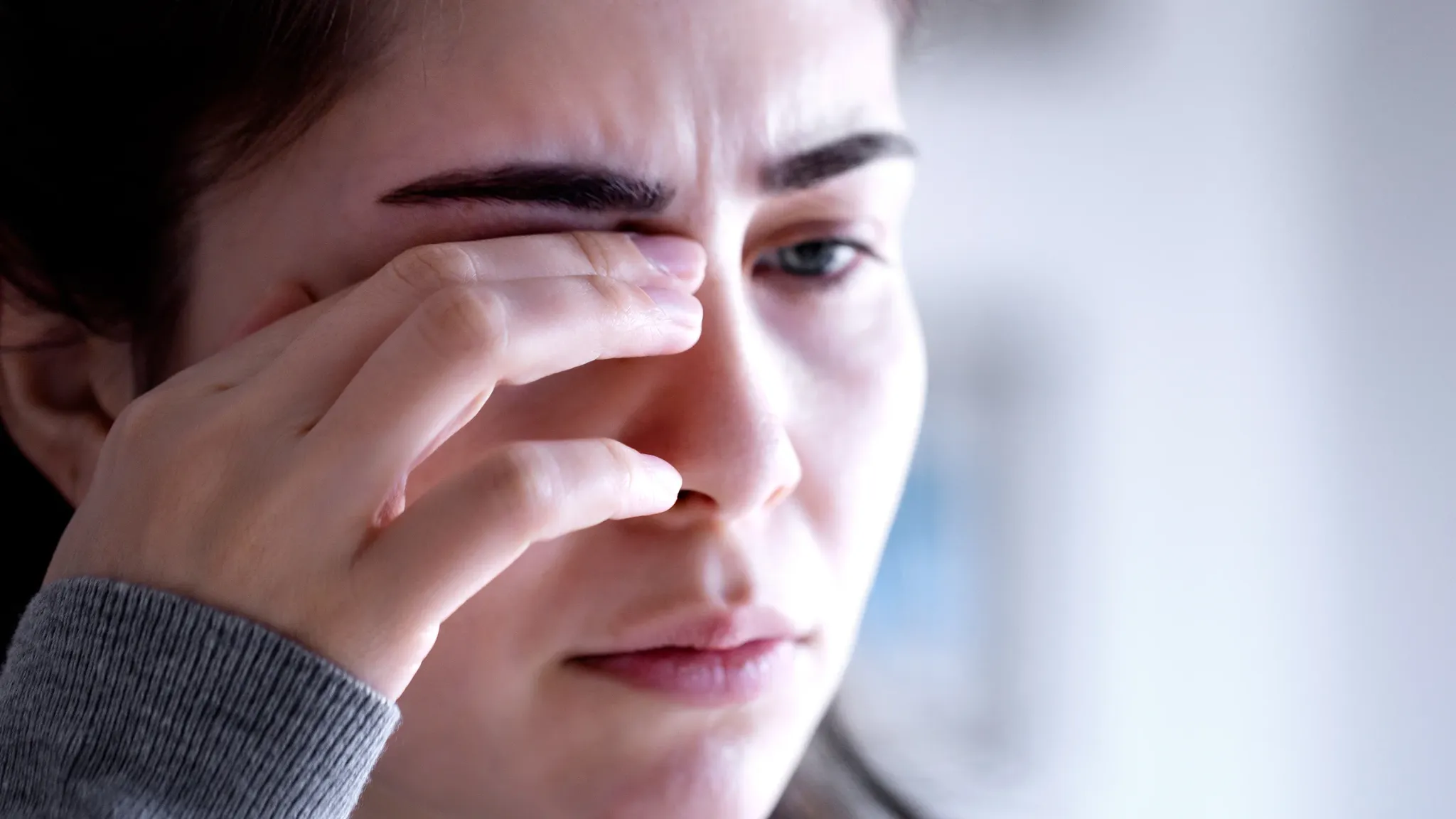
If you have already tried netra tarpana at home and your eye is red, painful, sensitive to light or producing discharge, or your vision has dropped or is still blurred the next morning, get an urgent eye examination.
No. Quality in a food sense means taste, purity and freshness. None of those tell you whether the ghee is free of live microbes, spores or fine particles, which is what matters on an eye.
Heating ghee until it flows does not sterilize it, and no kitchen method has been validated to do so. Strong heating also oxidises the fat, so you may end up with a different and more irritating material.
It is a smaller exposure, but the same problems apply: an unexamined eye and a non-sterile product. Household ghee should not be put in the eye in any amount.
A second pair of hands helps with pouring. It does not supply an eye examination, a sterile preparation or the training to recognise a problem.
One uneventful session tells you little. Problems such as infection can appear a day or two later, and risk builds with repeated exposure.
Someone with eye-specific training who examines your eyes first. Our article on who should perform netra tarpana lists the questions to ask.
If you want the procedure itself, have it done after an eye examination by someone trained to do it. Our netra tarpana guide explains what a session involves. To ask whether it suits your eyes, call Netra Eye Institute at (732) 503-9999.
Medical Disclaimer: This article is for general education and is not medical advice, diagnosis or treatment. Netra tarpana should only be performed after an eye examination, by a trained practitioner. Do not stop or change any prescribed eye treatment because of this article. New eye pain, redness, light sensitivity, discharge or loss of vision needs urgent eye care.