Search conditions, treatments, research reviews and articles. Press Enter to see all results, Esc to close.
Search conditions, treatments, research reviews and articles. Press Enter to see all results, Esc to close.
Integrative, non-surgical support for the macula — alongside the care of your ophthalmologist.
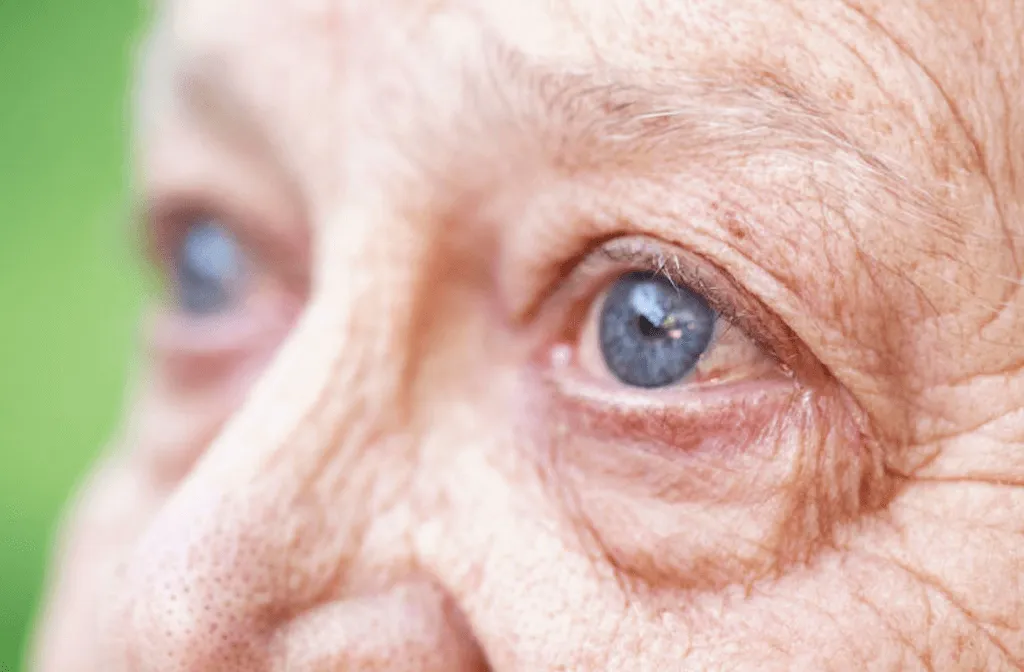
Macular degeneration damages the macula, the central portion of the retina responsible for detailed, straight-ahead vision. As the macula is affected, central vision becomes blurry or distorted. Patients may notice dark spots in the centre of their field of view, or find that straight lines appear wavy.
Because peripheral vision often remains relatively intact for a long time, the loss tends to show up first in the tasks that depend on fine central detail — reading, recognising faces, and seeing clearly in dim conditions.
Netra Eye Institute provides non-surgical macular degeneration care that integrates herbal medicine and Ayurveda. Our methods employ acupuncture to support blood flow to the retina and to nourish the delicate nerve tissue behind vision, drawing on Traditional Chinese Medicine and classical natural healing practice.
Rather than targeting a single measurable endpoint, the aim is to address the contributors that influence retinal resilience over time: microvascular circulation and oxygen delivery, oxidative burden, inflammatory signalling, and neurotrophic support. This reasoning is explained further in the science behind NRT.
Every treatment plan is individualised. After a comprehensive consultation based on Chinese Medicine and Ayurvedic Medicine, a diagnosis is arrived at and a plan is built around your particular presentation, with the goal of supporting vision and maintaining visual independence.
Related conditions we also treat include Dry AMD, Wet AMD, macular dystrophy, and macular edema.
Evidence scope: These sources describe AMD biology, established care, nutrition evidence, ocular perfusion associations, and the limited evidence for acupuncture. None directly establishes that Netra Restoration Therapy changes AMD progression.
Clinically reviewed by Dr. Saikumar Gandapodi, DAOM, Dipl. OM, L.Ac. Patients should continue the diagnosis, monitoring, medications, and procedures recommended by their ophthalmologist. Individual results vary.
Ayurvedic treatment for macular degeneration — what the AREDS2 nutrition evidence actually supports, and why anti-VEGF treatment for wet AMD must never be delayed.