Search conditions, treatments, research reviews and articles. Press Enter to see all results, Esc to close.
Search conditions, treatments, research reviews and articles. Press Enter to see all results, Esc to close.
Blog
October 31, 2026
Trichiasis is when one or more eyelashes grow toward the eye instead of away from it. The lashes rub the cornea, the clear front window of the eye, and the white of the eye. Many people call this an ingrown eyelash. An eye doctor can remove the problem lash, check the cornea for scratches and treat the cause so the rubbing does not keep returning [1,2].
This article is general education, not a diagnosis. Some lash problems need same-day care. See an eye doctor or go to an emergency department for worsening pain, blurred vision, strong light sensitivity or a white spot on the eye.
Key takeaways
In this article
Get same-day care from an eye doctor, urgent care or an emergency department if a lash problem comes with worsening pain, blurred or reduced vision, light sensitivity, fast-spreading redness or a white spot on the eye. These can be signs of a corneal scratch or an infected sore (corneal ulcer) that needs prompt treatment [3,5].
For milder, steady irritation, book a regular visit soon with an optometrist or ophthalmologist. Netra's guide to eye emergencies and what can wait explains how to choose between the emergency room and a clinic visit.
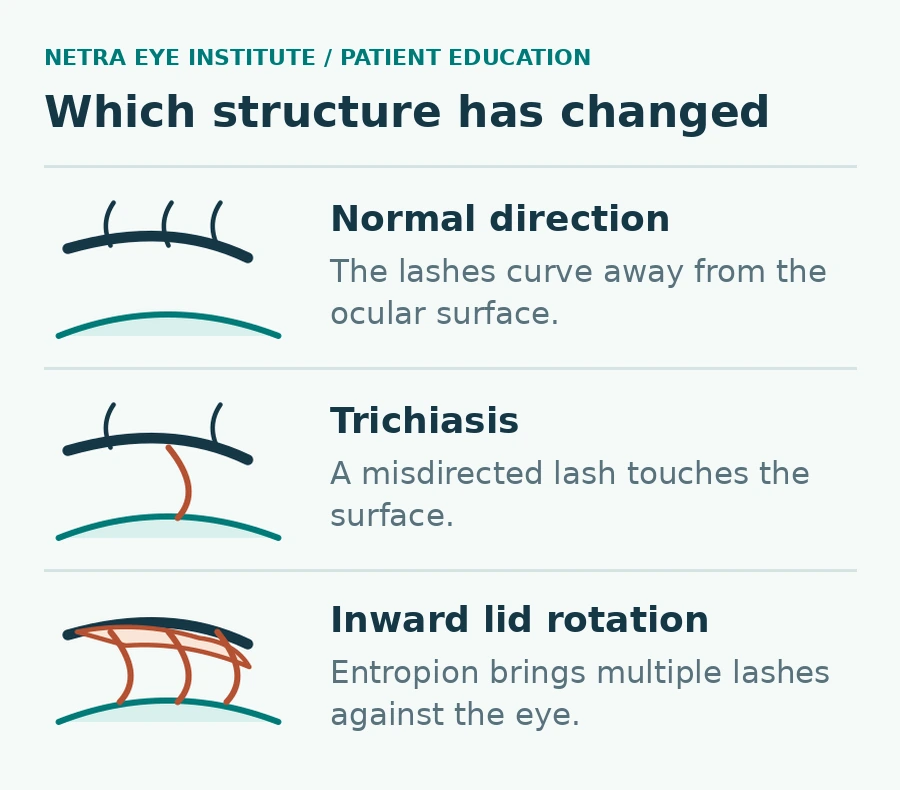
Trichiasis is a lash problem in which normal eyelashes grow in the wrong direction, toward the eyeball. The lash root (follicle) sits in its usual place, but the hair points backward and brushes the eye with each blink. It can involve one lash or many, on the upper or lower lid [1,2].
Normal lashes curve outward and help protect the eye. A misdirected lash does the opposite. Even one fine, pale lash can rub the same spot every time you blink.
"Ingrown eyelash" is the everyday name for this problem, but it is a little misleading. The lash usually grows out of the lid normally and simply points the wrong way [1].
A loose eyelash that falls into the eye is different. It floats in the tears and usually washes out with blinking [6]. A misdirected lash stays rooted, so the scratchy feeling returns after every rinse.
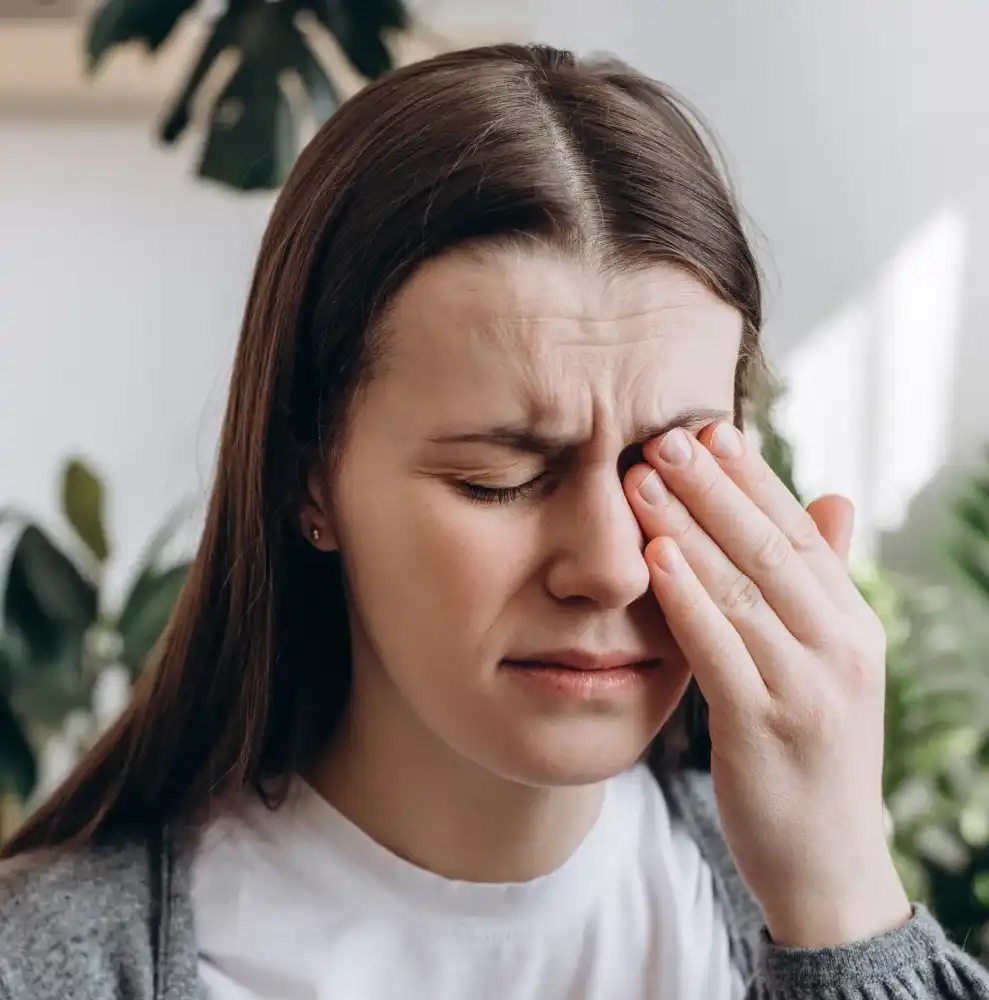
Trichiasis usually feels like a grain of sand or a stray lash in the eye that will not wash out. Common signs are scratchiness, watering, redness and light sensitivity. Some people can see a lash touching the eye in a mirror. Fine or pale lashes are often hard to spot without magnification [2].
Symptoms can include:
Some people feel very little. If a lash rubs for a long time, a person may get used to it, and the cornea can be harmed without much pain [2]. That is why an exam, not comfort alone, shows whether the eye is healing.
Lubricating drops can make blinking feel smoother for a while. If the gritty feeling comes back as the drop wears off, a lash may still be touching the eye. Dry eye and lash rubbing can also happen together, so a dry eye evaluation may be part of the visit.
All four conditions bring lashes against the eye, but the cause differs. In trichiasis, normal lashes point the wrong way. In entropion, the whole lid edge rolls inward. In distichiasis, an extra row of lashes grows. In epiblepharon, a fold of skin pushes a child's lashes upward. The right treatment depends on which one is present [1,3,8].
| Condition | What is wrong | Who it often affects | Usual treatment |
|---|---|---|---|
| Trichiasis (misdirected lashes) | Normal lashes grow toward the eye; the lid sits in a normal position | Adults with past lid inflammation, injury, surgery or scarring | Lash removal; root treatment if lashes keep returning [1] |
| Entropion (inward-turning lid) | The lid edge rolls inward and carries the lashes against the eye | Mostly older adults, usually the lower lid | Lubricants for comfort; eyelid surgery [3,9] |
| Distichiasis (extra row of lashes) | An extra row of fine lashes grows behind the normal row | Present from birth, or after long-term inflammation or scarring | Removal, root treatment or lid surgery [1,4] |
| Epiblepharon (skin fold) | A fold of lower-lid skin and muscle pushes the lashes up and in | Children; common in Asian and Hispanic children | Often improves with growth; drops, ointment or surgery if scratches persist [2,8] |
| Loose eyelash | A shed lash floats on the eye | Anyone | Blinking or gentle rinsing with clean water [6] |
The difference matters. Pulling one lash from an inward-turning lid helps for a short time but leaves other lashes ready to rub. A lid that turns in usually needs surgery to reposition it, and this works well in most cases [3].
Most trichiasis in adults follows something that inflames or scars the lid edge. Common causes include long-term eyelid inflammation (blepharitis), injuries, burns, past eyelid surgery and shingles around the eye. Diseases that scar the inner lining of the lid, such as trachoma and ocular pemphigoid, can turn many lashes inward [1,10].
Reported causes include [1,2]:
Scarring conditions need special attention. Ocular pemphigoid is an autoimmune disease that can keep scarring the eye surface over time. It can also cause blisters or sores in the mouth, nose and skin [11]. Tell your eye doctor about these problems, even if they seem unrelated. Eyelid surgery is usually done only after active inflammation is under control [1].
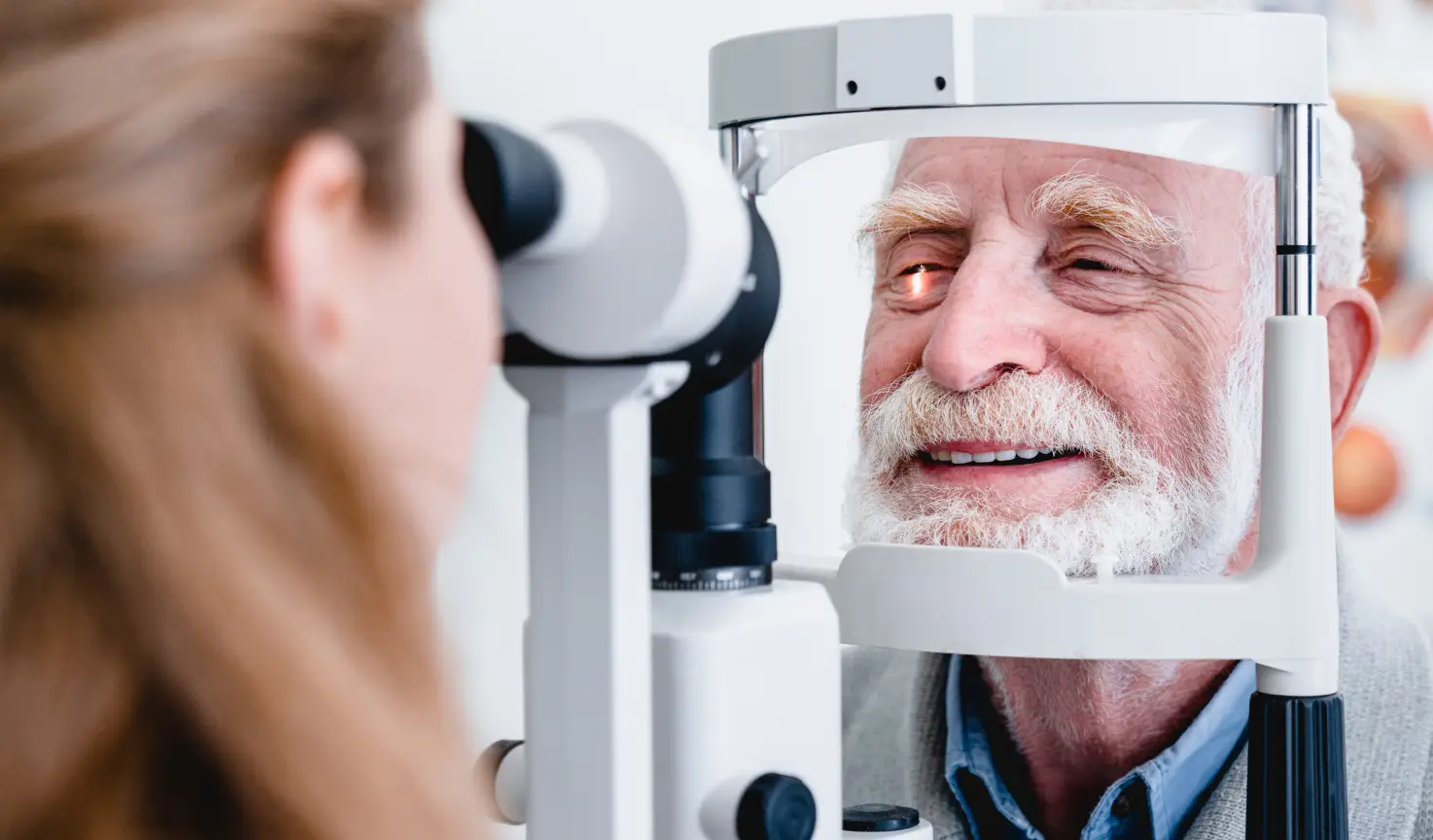
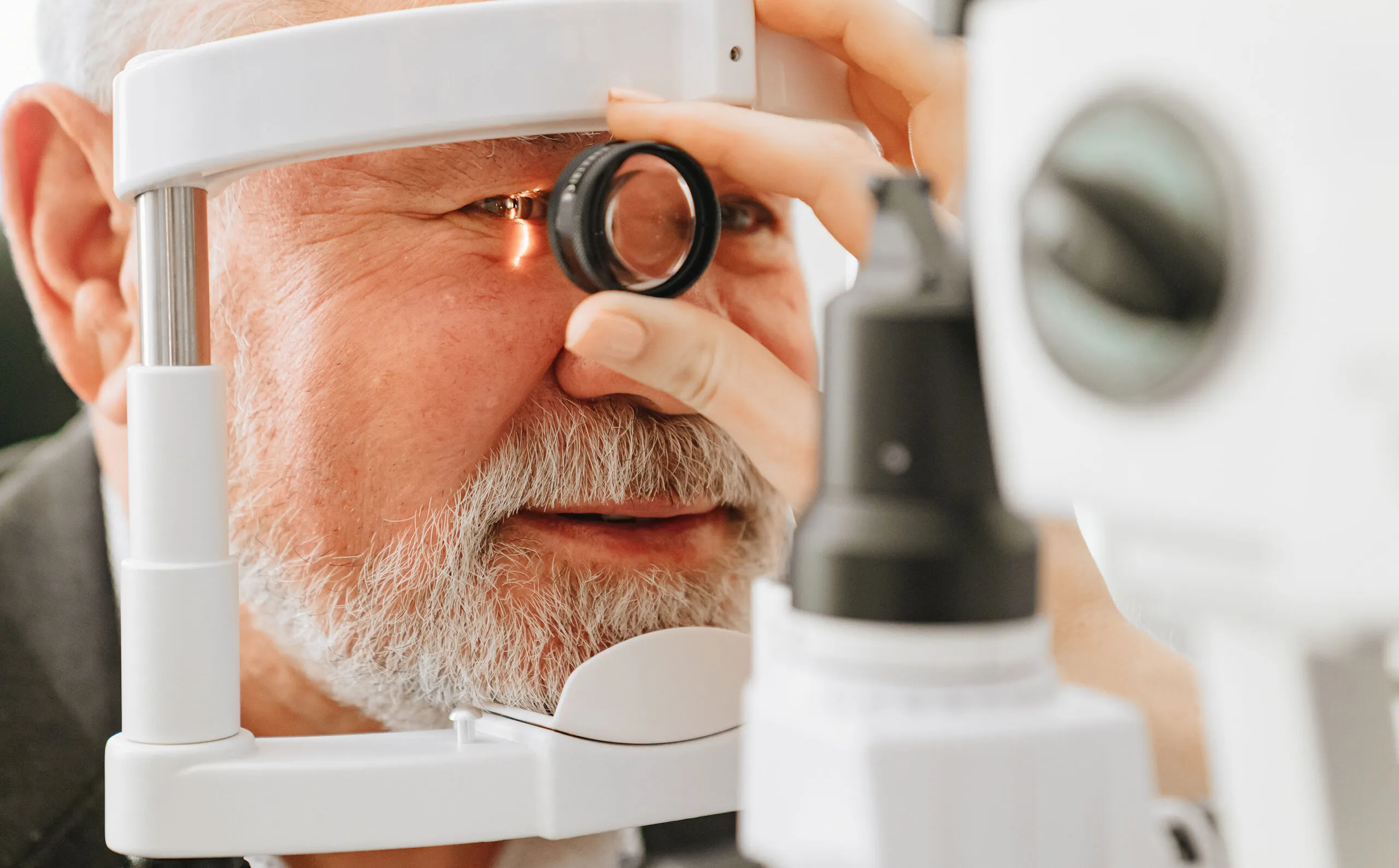
An eye doctor diagnoses trichiasis by examining the lids and lashes with a slit lamp, a microscope with a bright light. They find which lashes touch the eye and check whether the lid turns inward. A yellow dye called fluorescein shows any scratches on the cornea. Special tests are rarely needed [1,3,7].
Some lashes touch the eye only in certain positions. The doctor may watch you blink, look down or close your eyes gently. They also look for scarring on the inner lid, which can change the treatment plan [1].
Bring these details to the visit:
If you have already pulled a lash, tell the doctor where it was and when. Before a planned visit about permanent treatment, ask whether they want the lash to regrow first. Do not put up with severe pain or new vision changes while you wait.
Treatment depends on how many lashes are involved and why. One or a few lashes can be pulled out with fine forceps (epilation) for quick relief. Lashes that keep returning may need the root destroyed with electrolysis, radiofrequency, laser or freezing. An inward-turning or scarred lid usually needs eyelid surgery [1,3].

Epilation removes the hair but leaves the root, so the lash almost always grows back [1,4]. Regrown lashes are often shorter and stiffer and can feel worse [2]. Still, removal brings fast relief and gives a scratch time to heal. A bandage contact lens can also give short-term protection [1].
Permanent options target the follicle. Electrolysis and radiofrequency use a fine wire to send energy into the root. Other options are argon laser, freezing (cryotherapy) and surgical removal of the root [1]. Each has trade-offs. Freezing can lighten nearby lashes in people with darker skin. Heat-based methods can damage the lid edge if they spread too far [1,4]. Lashes can still return, and some people need more than one session [4].
Before treatment, ask how many lashes will be treated, how likely regrowth is, and how nearby healthy lashes and skin could be affected.
If the lid edge turns inward, or scar tissue pulls many lashes toward the eye, treating single lashes will not fix it. An eyelid (oculoplastic) surgeon can reposition the lid. For entropion, surgery works well in most cases [3]. If a scarring disease is still active, it usually needs to be controlled before lid surgery [1]. Other specialists may help with that.
While the cause is treated, your doctor may suggest artificial tears or ointment to protect the eye [2,3]. If the cornea is scratched, antibiotic drops may be needed [2]. A follow-up visit confirms that a scratch has healed. Feeling better is not the same as a healed surface. Learn more about how corneal ulcers heal.
It is safest not to pluck an ingrown eyelash yourself. Plucking gives only short-term relief, the lash usually grows back stiffer, and tweezers near an open eye can scratch the cornea. A loose lash floating on the eye is different. It can usually be rinsed out with clean water [2,6].
For a loose lash, MedlinePlus advises these steps [6]:
A rooted lash is harder to deal with at home. Fine or pale lashes are easy to miss, and a sudden blink can push tweezers into the eye. Repeated plucking can also delay the diagnosis of a lid problem that keeps turning new lashes inward.
Trichiasis often returns because epilation leaves the root in place, so the same lash regrows. Other lashes can turn inward if the lid edge stays inflamed or keeps scarring. Lashes can return even after root treatment, so follow-up visits matter. If symptoms come back, see your eye doctor rather than pulling the lash again [1,4].
When symptoms return, note the date of your last treatment, whether the feeling is in the same spot, and what triggers it. The next step may be treating a new root, reassessing the whole lid, or treating a separate surface problem.
Burning that continues after the lash is gone may come from something else, such as dry eye or lid inflammation from ocular rosacea.
In children, lashes touching the eye are often due to epiblepharon, a fold of lower-lid skin that pushes lashes upward. Young children's lashes are soft and often cause no harm. The fold often improves as the face grows. Drops, ointment or a small surgery are options if lashes keep scratching the cornea [2,8].
Children may rub their eyes, tear, squint or avoid bright light. Symptoms are often worse when looking down, such as while reading [8]. Never try to pluck lashes from a child's eye. A pediatric eye doctor can check for scratches and decide whether watching and waiting is safe.
Trachomatous trichiasis is trichiasis caused by trachoma, an eye infection with the bacterium Chlamydia trachomatis. After years of repeated infection, the inside of the lid scars and turns inward, so the lashes rub the eye. The World Health Organization (WHO) calls trachoma the leading infectious cause of blindness worldwide [10].
WHO reports that trachoma is a public health problem in at least part of 29 countries. About 1.9 million people are blind or visually impaired from it, and 92 million live in areas where it is common [10]. It is rare in North America and Europe [3]. WHO's SAFE strategy combines lid surgery, antibiotics, face washing and better water and sanitation [10].
If you grew up in an affected area, or a relative had lid surgery for lashes turning in, tell your eye doctor. An old surgery report can help a surgeon plan further care.
No. Netra Restoration Therapy (NRT) cannot remove a lash, redirect a lash root or correct an inward-turning lid. It has not been tested in controlled trials for trichiasis. The lash or lid problem needs treatment from an eye doctor first. Netra offers NRT only as adjunctive care alongside that treatment.
Some people have a separate, diagnosed problem that continues after the lash contact has stopped. Examples are dry eye or long-lasting nerve-related eye pain (corneal neuralgia). Once the cornea has healed and the eye doctor agrees, they may ask about NRT as supportive care. You can read how Netra reports program outcomes by diagnosis.
Keep these safety points in mind:
Mostly, yes. "Ingrown eyelash" is the everyday name for trichiasis, in which lashes grow toward the eye instead of away from it [1,2]. The lash usually grows out of the lid normally but points the wrong way. An eye doctor will also check whether the whole lid has turned inward (entropion).
No. A stye (hordeolum) is a red, tender, pimple-like bump on the lid edge caused by a blocked, inflamed oil gland [12]. An ingrown eyelash is a lash pointing toward the eye. Both can feel gritty, but a stye forms a lump and trichiasis does not.
Anyone can develop trichiasis. It is more likely after long-term eyelid inflammation, lid injury or surgery, burns, shingles near the eye, or diseases that scar the inner lid [1]. In children, a lower-lid skin fold called epiblepharon is a common cause [8]. In regions where trachoma is common, repeated infection that scars the lids is an important cause [10].
Usually, yes. Pulling a lash (epilation) removes the hair but leaves the root, so the lash typically regrows [1,4]. Regrown lashes are often shorter and stiffer and may feel worse [2]. If the same lash keeps returning, ask about treating the root or the lid.
For one or a few lashes, the doctor pulls them out with fine forceps under magnification [1,4]. For lashes that keep returning, they may destroy the root with electrolysis, radiofrequency, laser or freezing [1]. If the lid turns inward, eyelid surgery repositions it [3].
It can if it is not treated. Constant rubbing can scratch the cornea and lead to ulcers, scarring and vision loss [1,5]. Trachoma, which causes trichiasis through lid scarring, is the leading infectious cause of blindness worldwide [10]. The outlook is usually good when the problem is treated before the eye is damaged [3].
Sometimes. In children, lashes pushed in by epiblepharon often improve as the face grows [2,8]. Age-related lash changes can also be temporary [2]. A lash that keeps touching the eye should still be checked, because the cornea can be damaged even when it does not hurt much [2].
Usually not, but it can become urgent. Get same-day care if you have worsening pain, blurred vision, strong light sensitivity, quickly spreading redness or a white spot on the eye [3,5]. These can be signs of a corneal scratch or infection that needs prompt treatment.
Sources checked October 31, 2026.
This article provides general education and does not replace an individual eye examination, diagnosis or treatment plan. If an eyelash problem causes worsening pain, blurred vision, light sensitivity or a white spot on the eye, get same-day care from an eye doctor or an emergency department.