Search conditions, treatments, research reviews and articles. Press Enter to see all results, Esc to close.
Search conditions, treatments, research reviews and articles. Press Enter to see all results, Esc to close.
Blog
October 29, 2026
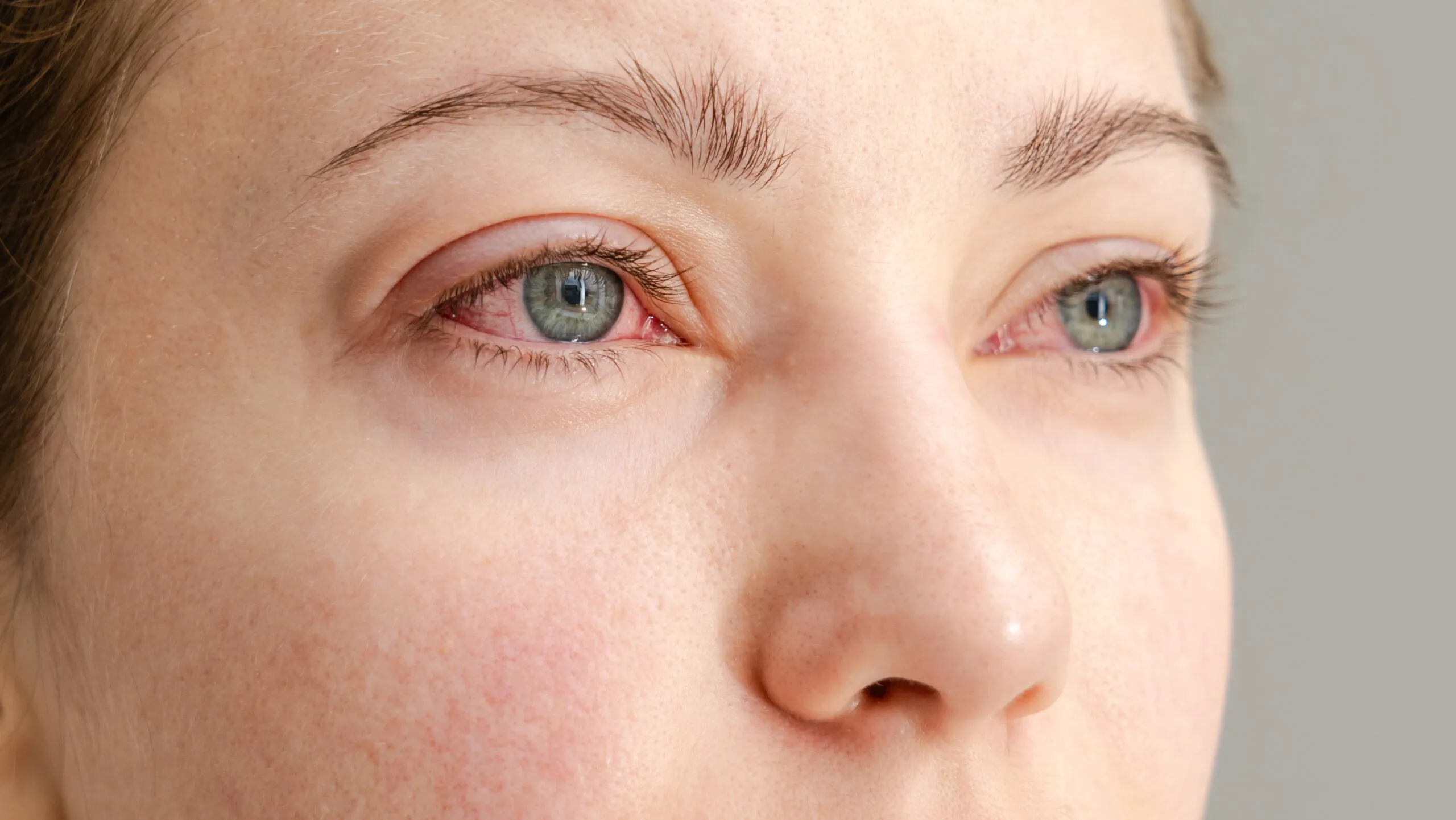
Ocular rosacea is a chronic inflammatory condition affecting the eyelids and the eye's surface. It can cause burning, grittiness, redness, watering, recurrent eyelid bumps, and vision that fluctuates. Treatment usually combines gentle eyelid care, appropriate lubricants, control of inflammation, and management of associated meibomian gland dysfunction. Significant pain, light sensitivity, or reduced vision requires prompt examination because the cornea may be involved. [1,2]
The practical challenge is that ocular rosacea can resemble ordinary dry eye, allergy, or recurring blepharitis. A person may keep changing drops without realizing that inflamed eyelid margins are repeatedly disturbing the tear film. Facial flushing can be a clue, but obvious facial rosacea is not required for eye involvement.
The best plan identifies which structures are affected and what needs to change. Comfortable eyes, a healthier corneal surface, fewer lid flares, and more reliable vision are separate outcomes. At Netra Eye Institute, discussion of Netra Restoration Therapy belongs within that broader plan, with attention to symptoms and systemic contributors while necessary ophthalmic treatment continues.
In this article
Rosacea involves altered inflammatory and neurovascular signaling. Around the eyes, its effects often concentrate at the eyelid margins, where the meibomian glands release oil into the tear film. When this secretion becomes abnormal or its delivery is obstructed, tears can evaporate too quickly. Blinking then spreads an unstable film across a sensitive surface. [2]
The relationship is not simply that rosacea produces too few tears. Someone can have plenty of watering and still have an inadequately protected cornea. Reflex tearing may respond to irritation without correcting the lipid and inflammatory problems causing it. This is why repeated use of a watery lubricant may give only brief relief.
Ocular rosacea and evaporative dry eye frequently overlap, but they are not interchangeable diagnoses. Evaporative dry eye has several possible causes. Recognizing rosacea adds information about lid inflammation, skin findings, recurrent disease, and the possible need for coordinated dermatologic treatment.
Inflammation also helps explain why a prescription antibiotic may be selected even when a clinician is not treating a straightforward contagious infection. Some medicines used in rosacea have effects on inflammatory pathways as well as microorganisms. The treatment decision depends on the clinical findings, tolerability, and severity, rather than the assumption that all red eyes need antibiotics. [3,4]
Common complaints include gritty or burning eyes, irritation along the lash line, redness that comes and goes, sensitivity to wind, and discomfort during prolonged reading. Contact lenses may become harder to tolerate. Some people notice recurrent styes or chalazia; others describe eyelids that feel sticky, swollen, or unusually sensitive. [1]
Symptoms may occur in both eyes but need not be equal. A quieter-looking eye can still be uncomfortable. Conversely, substantial surface damage occasionally produces less pain than expected when corneal sensation is impaired. The amount of redness or pain alone cannot establish the condition's severity.
Eye symptoms can precede recognizable facial disease. An assessment should therefore include questions about flushing, facial sensitivity, acne-like bumps, skin-care reactions, and previous dermatology treatment without making the skin appearance a mandatory diagnostic test. A negative answer to “Do you have rosacea?” does not settle the eye diagnosis. [1,5]
Persistent blurred vision, marked light sensitivity, increasing pain, a new white corneal spot, or difficulty keeping the eye open should prompt an urgent eye examination. These findings may reflect keratitis, an epithelial defect, infection, or another condition requiring a different treatment pathway. A painful red eye in a contact-lens wearer should not be managed as a routine rosacea flare at home. [6]
Changes that improve after blinking can suggest tear-film disturbance, but this is not a reliable rule-out test for serious disease. If vision remains reduced or symptoms are worsening, the next step is examination rather than adding another over-the-counter product.
Diagnosis is clinical. The clinician looks for a coherent combination of symptoms, lid findings, surface changes, and history. There is no single blood test or tear measurement that proves ocular rosacea. Slit-lamp examination allows assessment of the eyelid margin, meibomian gland openings, conjunctiva, and cornea. [2,5]
The evaluation may examine tear-film stability, the distribution of corneal staining, eyelid closure, blink quality, and whether pressure on the glands produces normal or altered secretions. Tear-volume testing is useful when aqueous deficiency is also suspected. Each measurement answers a different question; a normal result on one test does not cancel abnormal findings elsewhere.
The most useful appointment explains the findings in ordinary language. Ask whether the problem is primarily inflamed lids, obstructed glands, inadequate tears, corneal inflammation, or a mixture. Ask which finding is expected to improve with each treatment. Netra's guide to dry-eye diagnosis and meibomian-gland testing explains why several tests may be needed.
Allergic disease often brings prominent itching and exposure-related symptoms. Demodex-associated blepharitis may produce characteristic debris around the lashes. Contact reactions can involve eyelid skin after a new cosmetic or cleansing product. Aqueous-deficient disease can coexist with rosacea, especially when there are systemic symptoms or autoimmune concerns.
These possibilities are not mutually exclusive. Treating Demodex, allergy, or a contact reaction may reduce one component without resolving rosacea-related inflammation. Similarly, a diagnosis of rosacea should not prevent investigation of a new unilateral symptom, an atypical lesion, or persistent corneal staining.
A trigger diary is more useful than an indiscriminate list of forbidden foods. Record eye symptoms, facial flushing, heat exposure, alcohol, spicy meals, sleep, screen work, and product changes. Look for patterns that recur, then test practical adjustments individually. A single bad day after a food does not prove that food is driving the disease.
Sunlight, temperature extremes, wind, strenuous activity, hot drinks, alcohol, and emotional stress can trigger rosacea flares in some people. Their relevance varies. The goal is to reduce reproducible exposure while preserving a manageable routine, rather than asking every patient to avoid every possible trigger permanently. [1,5]
Screen work can add a separate source of tear-film instability. Periodic complete blinks, sensible breaks, and repositioning a fan or vent may reduce evaporative stress. These measures address exposure; they do not establish that screen use caused the underlying rosacea.
Gentle skin and lid care matters. Harsh scrubbing, fragranced products, repeated rubbing, and excessive heat can aggravate an already reactive area. Skin medications should stay away from the eye unless the prescriber specifically directs otherwise. “Natural,” “herbal,” or “organic” on a cosmetic label does not establish ocular safety.
Warmth may help selected patients with abnormal meibomian secretions, but hotter is not better. The compress should be comfortable, clean, and used according to the clinician's instructions. Someone whose facial or lid inflammation consistently worsens with heat should discuss changing the method rather than escalating temperature or duration.
Follow the recommended cleaning product and technique. The purpose is to remove relevant debris without injuring the lid margin. Forceful gland squeezing at home can increase irritation and does not substitute for assessing whether gland obstruction is actually present. [7]
Ocular rosacea usually requires continuing management rather than a one-time cure. The right treatment intensity depends on corneal involvement, symptom burden, recurrence, and response to previous care. A large medication list is not automatically a better plan; each component should have a defined purpose.
| Treatment category | Main purpose | Important limitation |
|---|---|---|
| Lubricating drops | Improve comfort and surface lubrication | Do not by themselves control every inflammatory or lid-related cause |
| Lid care and selected gland treatment | Improve lid hygiene and meibum delivery | Technique and suitability vary with the individual examination |
| Prescription anti-inflammatory treatment | Reduce clinically significant inflammation | Requires prescribing and follow-up appropriate to the medicine |
| Oral treatment such as doxycycline | Address selected persistent lid and ocular rosacea findings | Benefits and adverse effects must be considered together |
| Adjunctive NRT planning | Address selected symptoms, behavior, and systemic contributors | Does not replace corneal monitoring or necessary prescriptions |
Preservative-free lubricants may be preferable when drops are needed frequently or preservatives appear to aggravate the surface. Different formulations feel different, and thicker products may blur vision temporarily. Selection should reflect tear-film findings, comfort, and the rest of the regimen. Products marketed mainly to remove visible redness do not address the underlying disease. [1,7]
Prescription cyclosporine and other anti-inflammatory approaches may be considered when inflammation contributes to persistent symptoms and surface injury. Response can take time, and tolerability matters. A small randomized comparative study of 38 patients found improvement with both topical cyclosporine and oral doxycycline, with some outcomes favoring cyclosporine. Its size and risk of bias mean that it does not establish one universally superior choice. [3,4]
Steroid eye drops can be useful in selected inflammatory episodes, but they require supervision. The clinician must consider infection and monitor relevant risks, including pressure elevation. Reusing an old steroid prescription whenever the eye becomes red can conceal or worsen a different problem.
Doxycycline is commonly used for more persistent ocular rosacea, but there is no single regimen appropriate for everyone. Pregnancy, age, medication interactions, gastrointestinal tolerability, and photosensitivity influence selection. The prescriber determines the dose and duration; patients should not copy a schedule from another person's treatment. [2,5]
Thermal gland procedures and intense pulsed light may be considered when the examination supports their use. They are not interchangeable procedures and are not substitutes for evaluating corneal disease. Ask what finding the procedure targets, what evidence applies to your condition, and how success will be measured.
A 2024 systematic review gathered 66 reports involving 1,275 patients and described responses across several treatment approaches. Because the studies differed in design, populations, and outcome definitions, their response percentages should not be read as a head-to-head ranking of treatments or as a personal success probability. [8]
A varied diet and correction of a demonstrated deficiency are reasonable parts of health care. Supplement claims require a more specific question: has this product improved a meaningful outcome in people with the same condition?
A rosacea-specific randomized study reported improvement in dry-eye measures with omega-3 supplementation. However, the much larger DREAM trial in a broader dry-eye population found no significant advantage over placebo for its principal dry-eye outcomes. These results concern different populations and do not justify presenting fish oil as a reliable cure for ocular rosacea. Discuss suitability, interactions, and cost before adding a supplement. [9,10]
Netra Restoration Therapy is Netra Eye Institute's individualized integrative program, drawing on acupuncture, Traditional Chinese Medicine, Ayurveda, and attention to systemic contributors. For ocular rosacea, the relevant application is adjunctive support for a person with an established diagnosis and an active ophthalmic plan. [11]
The clinical logic begins with the tear functional unit: the eyelids, glands, surface, sensory nerves, and blink response work together. Someone whose inflammation is being treated may still struggle with poor sleep, intense screen exposure, recurring triggers, or discomfort that makes daily care difficult. Those are specific problems to assess rather than reasons to abandon standard treatment.
A coordinated NRT plan should distinguish three questions. Is inflammatory disease adequately controlled? Are mechanical and environmental contributors being addressed? Is the person still experiencing a meaningful symptom or functional limitation that an adjunctive intervention could reasonably target?
For example, the agreed goal might be a lower burning score during work, fewer interruptions to reading, or better tolerance of the prescribed maintenance routine. It should not be an assumed change in inflammatory biomarkers that has never been measured. A symptom improvement and a documented reduction in corneal staining are valuable but different observations.
The care team should review current prescriptions, allergies, supplements, skin treatments, and recent examination findings. Changes should be recorded so that an improvement or adverse reaction can be interpreted. Adding several interventions simultaneously makes it difficult to understand which component helped and which should be continued.
Trials in dry-eye populations have reported benefits in selected symptom or tear measures, but results vary with the protocol and comparison group. In a randomized study after cataract surgery, acupuncture improved tear-film stability relative to sham treatment, while several other measurements did not show a significant between-group difference. That is evidence about a particular dry-eye population, not proof of efficacy for ocular rosacea or for the entire NRT program. [12]
Consequently, acupuncture can be discussed as a monitored adjunct where appropriate, with realistic goals and an opportunity to discontinue it if meaningful benefit is absent. It should not be represented as established treatment for corneal ulceration, as a way to regrow lost meibomian glands, or as a reason to stop prescribed anti-inflammatory therapy.
Herbal or nutritional recommendations need an ingredient-level review, especially with pregnancy, liver or kidney disease, anticoagulants, or multiple medicines. Oral use and ocular use are different routes with different safety requirements. A botanical that has laboratory anti-inflammatory activity is not automatically suitable to place on an inflamed eye.
Do not apply homemade herbal liquids, oils, ghee, or nonsterile preparations to the ocular surface. Any proposed traditional ocular procedure requires individual assessment of the cornea and the treating ophthalmologist's input when disease is active or the surface is compromised. Netra's co-management guidance identifies active infection and unhealed epithelial defects as important exclusions for traditional ocular procedures. [13,14]
Agree on a small set of outcomes before treatment. A symptom questionnaire, reading tolerance, flare frequency, lubricant use, and the ophthalmologist's surface findings can provide a practical picture. Medication changes and environmental changes should be documented alongside them.
If symptoms improve while corneal findings worsen, the response is not reassuring. If the cornea is healthier but pain persists, consider whether another contributor, including neuropathic ocular pain, needs evaluation. This is the reason to keep integrative and conventional care connected rather than treating them as competing explanations.
A useful routine specifies which steps are ongoing and which belong only to a flare. Ask for the plan in writing, including what to do if a product becomes unavailable or a treatment causes persistent irritation. This reduces the temptation to substitute a similar-looking bottle or restart an old prescription without advice.
Choose a few concrete measures that matter to you. For example, track whether you can finish a work session comfortably, whether tearing interrupts driving, or how often lid symptoms disturb sleep. Use the same measures over time. Comparing a quiet weekend with an unusually demanding workday can otherwise make an effective treatment appear inconsistent.
It is also useful to distinguish a tolerable routine from perfect adherence on paper. If a prescribed step is regularly missed because of work or handling difficulty, tell the clinician. The plan may be adjusted safely, but the team first needs to know what is actually happening. These practical details are part of treatment quality, not a failure by the patient.
Bring a complete list or photographs of all eye drops, facial products, supplements, and medicines. Note which treatments sting briefly, which produce sustained irritation, and which are difficult to use consistently. Tell the clinician if cost, work schedules, or handling problems make the prescribed routine impractical.
Useful questions include: Which findings support ocular rosacea? Is the cornea involved? What should improve first? How long should I use each treatment before reassessment? Which symptoms require an earlier visit? An explicit maintenance plan can reduce the cycle of stopping everything when the eyes feel better and restarting multiple products during the next flare.
If additional support is appropriate, request a Netra consultation with recent eye-examination findings and the current treatment plan. The consultation can clarify adjunctive goals and coordination; urgent corneal symptoms need prompt ophthalmic assessment first.
Yes. Eye findings can occur before obvious skin disease or without a recognized facial diagnosis. However, redness and dryness have many causes, so an eye examination is needed. A clinician should consider the lid margins, glands, tear film, and cornea rather than diagnosing ocular rosacea from symptoms alone. [1,5]
No. Blepharitis describes inflammation of the eyelid margins and has several possible causes. Ocular rosacea can produce a blepharitis pattern, often alongside meibomian gland dysfunction. Identifying rosacea helps guide broader treatment, but additional causes such as Demodex or contact irritation may also need attention.
Most patients seek care for discomfort, but corneal inflammation, ulceration, or scarring can threaten vision in more serious cases. Increasing pain, photophobia, or reduced vision warrants prompt examination. The goal of treatment is not simply to make the eyes look less red; it is also to protect the corneal surface. [2]
Timing depends on the treatment and the problem being measured. Lubrication may improve comfort quickly, while control of chronic lid inflammation may require a longer course and maintenance. Ask the prescriber for an expected reassessment point. Worsening symptoms should be reported rather than endured until an arbitrary deadline.
Comfort, corneal findings, and the lens type all matter. If the eye is painful, significantly red, or newly blurred, remove the lenses and contact the eye-care clinician. Do not assume that a lens-related infection is merely rosacea. The clinician should advise when wear can safely resume. [6]
No. The use of a medicine with antibiotic properties does not make rosacea contagious. Such medicines may be selected partly for inflammatory effects. A separate infectious eye condition can still occur, which is why new symptoms need assessment rather than automatic reuse of the previous treatment.
NRT should be considered alongside the ophthalmic plan, with agreed symptom and functional goals. It should not independently replace prescribed treatment. If side effects, cost, or limited benefit are a problem, discuss a change with the prescriber and coordinate any adjunctive intervention so the response remains interpretable.
No established natural intervention has been shown to permanently cure ocular rosacea. A useful long-term approach combines appropriate treatment, recognition of personal triggers, maintenance care, and follow-up. Claims of a guaranteed cure can encourage patients to stop therapies that are protecting their corneas.
Bring the products to an examination rather than continuing to add alternatives. Preservatives, formulations, an inflamed surface, allergy, or a nerve-related pain component may be relevant. The clinician can simplify the regimen and identify which treatments remain necessary while investigating the reason for intolerance.
It may help some patients, but skin improvement does not guarantee that eyelid and corneal disease are controlled. The eye and skin plans should be coordinated. Continue appropriate eye follow-up, especially when there has been corneal involvement or recurrent visual disturbance. [5]
Sources checked October 29, 2026. Netra pages describe the provider’s approach; they do not independently establish treatment efficacy.
This article provides general education and does not replace an individual eye examination, diagnosis or treatment plan. Seek prompt clinical advice for new pain, a red eye with reduced vision or a significant visual change.