Search conditions, treatments, research reviews and articles. Press Enter to see all results, Esc to close.
Search conditions, treatments, research reviews and articles. Press Enter to see all results, Esc to close.
Blog
August 9, 2026
Lutein and zeaxanthin build the macular pigment that filters blue light and limits oxidative stress. Higher dietary intake is linked to lower AMD risk, and both are in the AREDS2 formula used for intermediate AMD. What they do not do is sharpen normal vision or reverse damage already done. This page covers dose, food sources and evidence.
Eyes are metabolically active tissues with continuous demand for oxygen, blood flow and cellular maintenance. That makes nutrition biologically relevant, but it also makes eye-health marketing easy to exaggerate. A nutrient can be present in the retina, show antioxidant activity in a laboratory and still fail to prevent disease when delivered as a pill.
The strongest advice begins with the whole diet. Vegetables, fruits, legumes, whole grains, nuts, fish and unsaturated fats support vascular and metabolic health—the same systems that supply the retina and optic nerve. Supplements belong in a narrower category: correcting deficiency or meeting a validated indication such as specific AMD stages.
This guide explains what key nutrients do, where to find them, what major clinical trials actually showed and how to discuss supplements safely.
The retina has high energy demand, abundant polyunsaturated fatty acids and lifelong exposure to light and oxygen. Oxidative reactions are normal parts of metabolism, while antioxidant systems and cellular repair limit damage. Retinal function also depends on the choroidal and retinal circulation, making blood pressure, glucose, lipids and smoking relevant.
The lens must maintain transparency for decades. The ocular surface depends on epithelial health, tear composition, eyelid glands and inflammation. Optic-nerve health depends on axons and their blood supply. Nutrition can influence these systems indirectly through general health and, in selected settings, directly through nutrient availability.
But “supports a biological pathway” is not equivalent to “prevents blindness.” Disease arises from age, genes, anatomy, exposures and systemic health. Randomized trials are needed before a supplement can be credited with changing a clinical outcome.
Lutein and zeaxanthin are xanthophyll carotenoids concentrated in the macular pigment. They filter some short-wavelength visible light and participate in antioxidant defenses. The body cannot manufacture them, so they come from food or supplements.
Sources include kale, spinach, collard and turnip greens, broccoli, peas, corn, egg yolks and other colorful vegetables. Cooking and dietary fat can affect carotenoid bioavailability. A salad with olive oil, cooked greens with a meal or eggs alongside vegetables are practical food combinations.
Higher dietary intake has been associated with lower risk of advanced AMD in some observational studies. Those findings motivated supplementation trials, but the benefit applies in a specific context. In AREDS2, replacing beta-carotene with lutein 10 mg plus zeaxanthin 2 mg preserved or improved the formulation’s safety and benefit profile for eligible AMD patients. It did not establish that every healthy adult should take those doses.
Macular pigment supplements can increase measured pigment in some people, yet a biomarker change does not automatically mean prevention of disease or improved daily vision. Ask what outcome a product has demonstrated.
Vitamin A is essential to the visual cycle. Retinal, a vitamin A derivative, is part of photopigments that respond to light. Severe deficiency can cause night blindness and ocular-surface damage, particularly where malnutrition or fat-malabsorption occurs.
In well-nourished adults, extra vitamin A does not create “super vision.” Preformed vitamin A can accumulate and cause liver, bone and pregnancy-related harm at high doses. Beta-carotene can be converted to vitamin A, but high-dose beta-carotene supplements increased lung-cancer risk in smokers and former smokers in major trials. That is why AREDS2 removed it.
Food sources include liver, dairy and eggs for preformed vitamin A and orange or dark-green produce for provitamin A carotenoids. Liver and supplements can contain very high amounts; pregnancy and liver disease require particular caution.
Vitamin C is water-soluble and present in citrus, berries, peppers, tomatoes and broccoli. Vitamin E is fat-soluble and found in nuts, seeds and vegetable oils. Both participate in antioxidant systems, and both are components of AREDS2 at much higher doses than ordinary dietary requirements.
Evidence that fruits and vegetables are associated with better health does not mean high-dose C or E prevents cataract or AMD in everyone. Large preventive trials have not justified universal high-dose antioxidant supplementation for eye health. Vitamin E can affect bleeding risk and interact with treatment. The AREDS2 doses should be treated as a prescription-like disease formulation, not a template for a homemade stack.
Zinc participates in numerous enzymes and retinal processes. Food sources include meat, shellfish, dairy, beans, nuts and fortified grains. Phytates in some plant foods reduce absorption, which matters for people with restrictive diets or malabsorption.
The original AREDS formulation used zinc 80 mg as zinc oxide, far above ordinary nutritional requirements, and added copper 2 mg to reduce risk of copper-deficiency anemia. AREDS2 tested a lower 25 mg zinc arm but did not include a placebo group capable of definitively proving equivalence; NEI continues to describe the original evidence base carefully.
High zinc can cause nausea and interfere with copper or medications. Taking zinc because it appears in an AMD trial is not appropriate without confirming the disease stage and reviewing health history.
DHA is an important structural fatty acid in photoreceptor membranes, and EPA contributes to lipid signaling. Oily fish such as salmon, sardines, trout and herring supplies EPA and DHA. Walnuts, chia and flax provide alpha-linolenic acid, which the body converts inefficiently to longer-chain omega-3s.
Eating fish within a balanced dietary pattern is associated with cardiovascular benefit and, in observational research, sometimes with lower eye-disease risk. Supplement trials tell a more limited story. AREDS2 tested DHA 350 mg plus EPA 650 mg and found no additional overall reduction in advanced AMD progression. The NEI-funded DREAM trial tested 3,000 mg daily EPA/DHA for moderate-to-severe dry eye and found no meaningful advantage over placebo after 12 months.
These results do not mean fish has no value. Food replaces other foods, provides protein and micronutrients and participates in a broader pattern. They do mean fish-oil capsules should not be promised as proven AMD or dry-eye treatment. Supplements can also cause gastrointestinal effects and interact with anticoagulant management.
Folate, B6 and B12 participate in homocysteine metabolism and neurologic health. Severe B12 deficiency can cause optic neuropathy, anemia and neurologic symptoms. Vegan diets, malabsorption, gastric surgery, metformin and acid-suppressing medicines can increase deficiency risk in selected people.
Testing and treating a deficiency is evidence-based. Taking high-dose B vitamins without indication is different. Excess B6 can cause neuropathy, and folate can mask hematologic signs of B12 deficiency. A clinician should interpret symptoms and laboratory findings.
Low vitamin D is associated observationally with many chronic diseases, including some ocular conditions, but association is vulnerable to confounding by health, activity and sun exposure. Supplementation should follow established bone, endocrine or deficiency guidance rather than an eye-disease promise.
Bilberry, saffron, ginkgo, turmeric, astaxanthin and mixed “ocular circulation” formulas are frequently marketed. Small trials may show biomarker or short-term functional changes, but products, doses and populations vary. Herb-drug interactions, contamination and bleeding risk matter. None should replace glaucoma treatment, retinal injections, surgery or systemic risk management.
AREDS enrolled people across AMD stages and found that a high-dose antioxidant-plus-zinc formulation reduced progression to advanced AMD in higher-risk groups. It did not benefit people with no AMD or early AMD. AREDS2 enrolled 4,203 participants aged 50 to 85 with intermediate AMD in both eyes or intermediate AMD in one eye and advanced AMD in the other.
AREDS2 examined whether lutein/zeaxanthin, omega-3s and formulation changes improved outcomes. Adding omega-3s did not provide an overall benefit. Lutein and zeaxanthin were safer than beta-carotene for smokers and performed well as its replacement. Former smokers assigned beta-carotene had more lung cancers.
The commonly sold AREDS2 formula contains:
This is not a multivitamin. It is a high-dose formulation with a defined retinal indication. A retina or eye-care clinician should confirm whether the patient has intermediate AMD or late AMD in one eye and review kidney disease, bleeding risk, medicines and other supplements.
Healthy dietary patterns correlate with lower cataract risk in some studies, but age, diabetes, smoking, UV exposure, steroids and genetics remain important. Randomized vitamin trials have not established a supplement that reverses cataract. AREDS2 additions did not reduce the need for cataract surgery.
Once lens opacity limits function, cataract surgery is the established treatment. Nutrition can support general health before and after surgery but cannot dissolve cloudy lens proteins.
Dry eye is heterogeneous. Some patients have aqueous deficiency; others have evaporative loss, eyelid-gland dysfunction, inflammation, exposure or neuropathic pain. Adequate hydration supports health, but drinking excessive water does not correct meibomian-gland dysfunction.
The DREAM trial is important because it challenges a common claim: high-dose fish oil was no better than placebo for typical patients with moderate-to-severe dry eye who could continue usual care. Some individuals still choose dietary fish or supplements for other reasons, but clinicians should not present omega-3 capsules as reliably proven dry-eye treatment.
Treatments may include environmental change, lubricants, eyelid care, prescription anti-inflammatory medicine, tear-conservation strategies and procedures depending on diagnosis.
For diabetic retinopathy prevention, glucose, blood pressure and lipid management matter more than an “eye detox.” A dietary pattern emphasizing fiber-rich plants, appropriate portions, unsaturated fats and minimally processed foods can support those goals. The plan should be individualized for medication, kidney disease, hypoglycemia risk and culture.
Sudden severe restriction or supplement use can interact with diabetes treatment. Registered dietitians and diabetes educators can translate medical targets into meals. Retinal exams remain necessary even when control is excellent.
A practical pattern does not require rare foods:
For someone who dislikes leafy greens, alternatives include broccoli, peas, corn and eggs; dietary variety is more sustainable than forcing a single “superfood.” Frozen vegetables can be nutritious and convenient. Preparation method, affordability and consistency matter.
Observational studies often associate Mediterranean-style eating with lower cardiovascular risk and, in some cohorts, lower risk or progression of AMD. The pattern emphasizes vegetables, fruit, legumes, whole grains, nuts, olive oil and fish, with less processed meat and refined food. Because it changes many exposures at once, researchers cannot credit one ingredient.
This pattern is relevant to eye health partly through vascular and metabolic pathways. Better blood pressure, lipid quality and glucose management can protect retinal circulation. Plant foods provide carotenoids and polyphenols, while fish and olive oil alter the types of dietary fat.
“Mediterranean” should not become another branded prescription. Similar principles can be built with foods from South Asian, East Asian, African, Latin American and other traditions: leafy or colorful vegetables, beans or lentils, intact grains, nuts or seeds and minimally processed protein. Cultural fit improves consistency.
Randomized evidence for a dietary pattern preventing a particular eye disease is less definitive than evidence for cardiovascular outcomes. Describe it as a health-supporting pattern, not a cure.
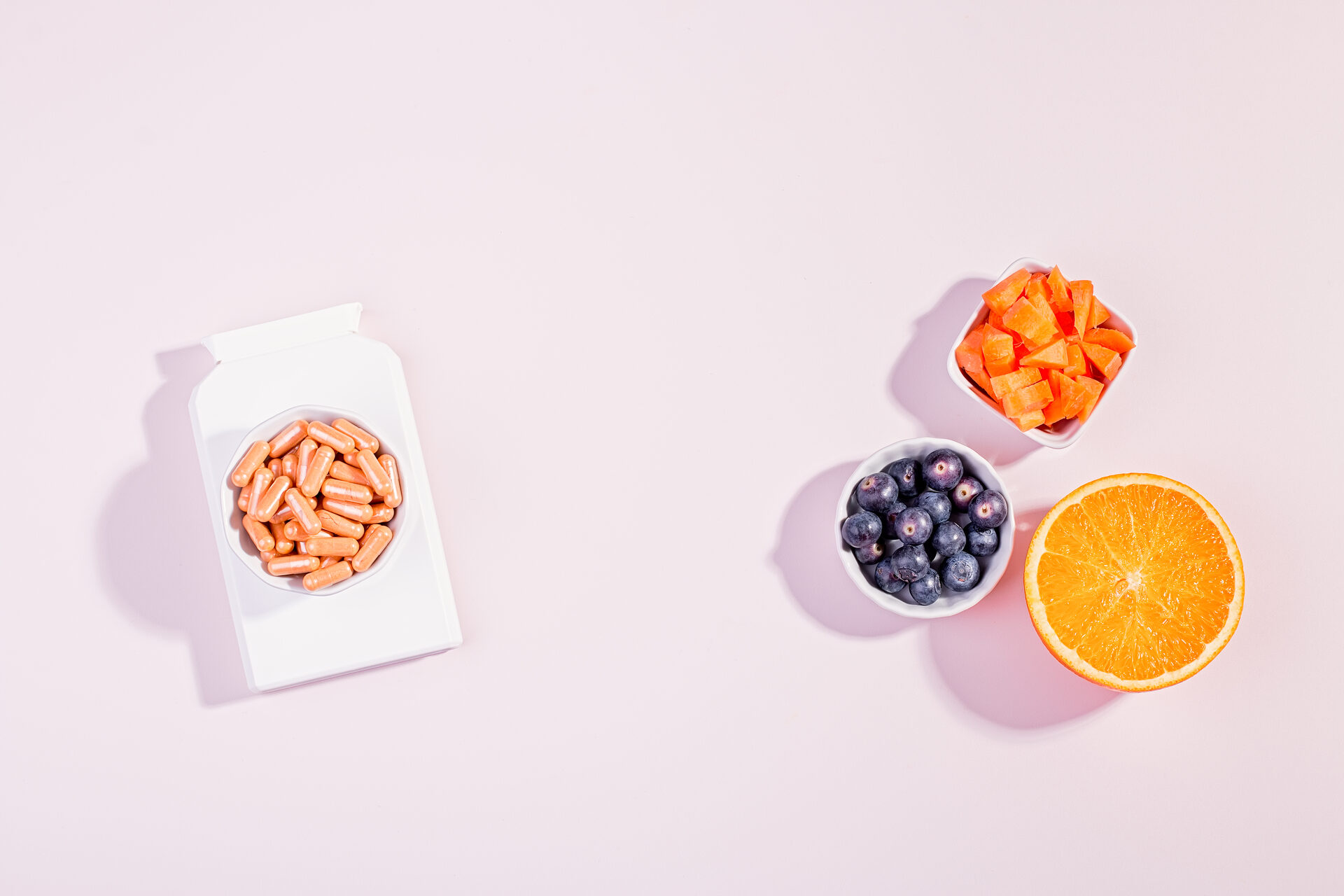
Spinach, kale, collards, mustard greens and similar foods are dense in lutein and zeaxanthin. Orange peppers, carrots, squash and sweet potatoes provide carotenoids, while tomatoes provide lycopene. Different pigments reflect different compounds; “eat the rainbow” is a useful variety prompt rather than a clinical dose.
Cooking can increase availability of some carotenoids by breaking plant structure, although heat reduces certain vitamins. Raw and cooked vegetables can coexist. Adding a modest amount of fat helps absorption of fat-soluble carotenoids.
Oily fish supplies preformed EPA and DHA as well as protein, vitamin D and other nutrients. Choose species and frequency according to local mercury and pregnancy guidance. Fried fish may not confer the same dietary pattern as baked or grilled fish accompanied by vegetables.
Egg yolks contain lutein and zeaxanthin in a relatively bioavailable food matrix, though amounts are lower than in many greens. Dairy contributes protein and several vitamins. Health needs, allergy, ethics and lipid goals determine whether and how these foods fit.
Beans and lentils provide fiber, protein, zinc and folate. Nuts and seeds provide vitamin E, unsaturated fat and minerals. Portions matter because nuts are energy dense. Unsalted choices can support blood-pressure goals.
Whole grains contribute fiber, B vitamins and minerals and generally produce a different glucose response from refined grains. “Brown” color does not guarantee a whole grain; ingredient lists are more informative than marketing on the front of a package.
Focus on dietary quality, smoking avoidance, activity, blood pressure and examinations. There is no evidence-based need for AREDS2. A standard multivitamin may be indicated for dietary or medical reasons, but it is not automatic eye protection.
NEI states that AREDS formulations did not show benefit for early AMD. Food quality and risk-factor management remain appropriate. The clinician should define stage and follow-up rather than recommending a formula from the word “drusen” alone.
This is the group for whom AREDS2 may reduce progression risk. Confirm the diagnosis, use a formulation matching evidence, avoid beta-carotene in current or former smokers and continue retinal monitoring. The supplement reduces risk; it does not guarantee stability.
Meals should support individualized glucose, blood-pressure, kidney and lipid goals. “Juicing for the eyes” can deliver rapidly absorbed carbohydrate and remove fiber. Herbal glucose-lowering supplements can interact with medication. Coordinate with diabetes care.
Adequate fluid and balanced diet are reasonable, but persistent symptoms need ocular-surface diagnosis. Fish-oil evidence is not strong enough to substitute for treatment. Environmental change and medication review may matter more than another capsule.
Do not self-prescribe vitamin A. Some inherited retinal disorders have historically been studied with high-dose vitamin A, but genotype, toxicity and evolving evidence make specialist guidance essential. Certain conditions can be harmed by specific supplements.
In the United States, dietary supplements generally reach the market without the preapproval process required for prescription drugs. Manufacturers are responsible for labeling and safety, while quality and actual contents can vary. Third-party certification may assess identity, contamination and manufacturing practices but does not prove that a product changes vision.
“Natural,” “doctor formulated,” “clinically studied ingredient” and “supports circulation” are not clinical outcomes. A product may cite a study of one ingredient while using a different dose, combination or population. Proprietary blends can hide amounts.
Adverse effects should be reported to clinicians and appropriate regulators. Keep supplements on the medication list before surgery because some influence bleeding, anesthesia, blood pressure or glucose.
Carrots provide beta-carotene, which helps prevent vitamin A deficiency. In a well-nourished person, extra carrots do not remove refractive error, cataract or retinal disease. They are one nutritious vegetable, not a vision treatment.
Redox biology is balanced, and high doses can cause harm. Beta-carotene risk in smokers is a clear example. Food amounts and trial-level supplement doses are not interchangeable.
Whole foods provide fiber and a matrix of nutrients and can replace less healthy foods. A pill usually supplies selected compounds without changing the rest of the dietary pattern.
Blood flow is important, but raising or altering circulation nonspecifically can be harmful and does not regenerate lost photoreceptors or optic-nerve axons. Vascular eye disease needs diagnosis and disease-specific management.
High-dose vitamin E, zinc, herbs and fish oil can interact with treatment or duplicate other products. Review all ingredients, not just the front label.
Choose two or three changes that can persist: add greens to familiar dishes, replace one processed snack with nuts or fruit, serve beans more often or eat fish according to safety guidance. A plan that is nutritionally sound but unaffordable or culturally alien will not last.
Use a registered dietitian for complex needs such as diabetes with kidney disease, malabsorption, eating disorder history, pregnancy or multiple food restrictions. The goal is adequate, enjoyable nutrition—not anxiety around every meal.
Track outcomes appropriate to the goal. Dietary changes may improve blood pressure, glucose or lipid measures; they should not be judged by minute-to-minute vision fluctuations. Retinal structure and disease progression are monitored by eye care over time.
Eye-supportive eating can be ordinary. Breakfast might combine eggs with spinach and whole-grain toast, or oatmeal with berries, walnuts and unsweetened yogurt. Lunch could be lentil soup with a leafy salad and olive-oil dressing. Dinner might include salmon or tofu, roasted colorful vegetables and a whole grain. These examples are patterns, not prescriptions; portions and ingredients should match glucose, kidney, allergy and cultural needs.
Cooking at home is not the only route. Frozen vegetables without heavy sauce, canned beans rinsed to reduce sodium, canned salmon or sardines and prewashed greens can reduce cost and preparation time. Restaurant meals can be adjusted by adding vegetables, choosing grilled protein and requesting sauces separately without treating food as morally “good” or “bad.”
Smoothies retain more fiber than juice but can still concentrate calories and carbohydrate. Large amounts of spinach every day may be inappropriate for some kidney-stone or anticoagulation situations. Variety prevents one food from dominating exposure.
Routine panels of dozens of vitamins are not necessary for every eye complaint. Testing is most useful when history or examination suggests deficiency or malabsorption. B12, folate, vitamin A, copper and other tests may be considered in selected optic neuropathy, night blindness, restrictive diet, gastrointestinal disease or surgical histories.
Laboratory reference ranges require clinical context. A low level may explain risk without proving the entire visual complaint, and a normal blood concentration does not rule out every retinal or neurologic disease. Treat a confirmed deficiency while continuing the diagnostic evaluation.
Commercial “oxidative stress,” hair mineral and unvalidated micronutrient panels can generate expensive recommendations without proven benefit. Ask whether the test is standardized, whether the result changes care and whether outcome evidence supports the proposed supplement.
Keep one current list that includes doses of multivitamins, AREDS2, herbs, powders and fortified drinks. Multiple clinicians may otherwise miss duplication. Review the list before eye surgery, injections or changes in anticoagulation, blood pressure or diabetes treatment.
Do not stop a prescribed medicine because a food is described as anti-inflammatory. The dose and reliability of a medication are not recreated by a meal. Integrative care is safest when every intervention has a transparent purpose and the professionals involved know the complete plan.
Check the exact ingredient, chemical form, amount per serving and number of pills. Compare the label with the formula actually studied. “AREDS inspired,” “macular support” and “clinically formulated” do not mean an AREDS2-equivalent dose or indication.
Look for third-party quality testing, but understand that purity verification does not prove effectiveness. Avoid overlapping products that duplicate vitamin E, zinc or vitamin A. Bring bottles or photographs to appointments.
Ask five questions:
Kidney disease can require control of potassium, phosphorus or protein. Warfarin management requires consistent vitamin K intake, not avoidance of all greens. Malabsorption, bariatric surgery, celiac disease and inflammatory bowel disease can change nutrient status. Pregnancy changes vitamin A and food-safety considerations.
Vegan and vegetarian patterns can support health when planned, but B12 supplementation is generally necessary for strict vegan diets. Omega-3 sources and zinc bioavailability may require attention. Personalized dietetics is more appropriate than a generic eye-health list.
NRT at Netra Eye Institute does not deliver nutrients to the retina and should not be framed as a substitute for dietetics, deficiency treatment or disease-specific ophthalmic care. It cannot reverse cataract, dry retinal fluid, regrow optic nerves or replace AREDS2 when a qualified clinician recommends it.
For medically stable patients, NRT may address functional consequences such as reading fatigue, scanning difficulty, visual attention, eye coordination or motion sensitivity. Nutrition, medicine, optical correction and rehabilitation can coexist when each has a defined role and outcome.
Learn about Neuro-Visual Rehabilitation Therapy, Netra Eye Institute’s approach and the detailed guide to diet and macular degeneration risk. Discuss supplements with the clinician managing the actual eye diagnosis.
There is no single best food. A varied pattern with leafy greens, colorful produce, legumes, nuts, fish and unsaturated fats supports relevant nutrients and systemic health.
No. It is recommended for defined higher-risk AMD stages, not by age alone. An eye examination must establish eligibility.
Supplements may raise macular pigment, but evidence does not justify promising improved vision or disease prevention to every healthy person. Food sources are reasonable within a balanced diet.
No. The NEI-funded DREAM trial found high-dose EPA/DHA no better than placebo for typical moderate-to-severe dry eye. Diagnosis-specific treatment is more reliable.
No supplement has been proven to reverse established cataract. Surgery replaces the cloudy lens when functional impairment warrants treatment.
No. High doses can interact with medicines, increase bleeding, cause toxicity or duplicate ingredients. Disease, pregnancy and smoking history change safety.
Food supports the eyes by supporting the tissues, circulation and metabolism on which they depend. The most defensible pattern is varied, plant-rich and cardiometabolically sound. It does not require a proprietary powder or a promise of restored vision.
Supplements deserve the same standards as other interventions: correct patient, correct dose, meaningful outcome and known harms. AREDS2 is valuable for eligible AMD—not universal prevention. Omega-3 pills have not delivered the broad AMD and dry-eye benefits often advertised. Coordinate nutrition, medical eye care and rehabilitation without asking one to do another’s job.
Medical Disclaimer: This article is educational and does not provide medical or nutritional advice. Supplements, restrictive diets and AREDS2 require individualized review of diagnosis, disease stage, medicines, smoking history, pregnancy and systemic health. Do not stop established eye treatment or prescribed medication to use food or supplements. Seek urgent care for sudden vision loss, a curtain or shadow, severe pain or neurologic symptoms.