Blog
August 9, 2026
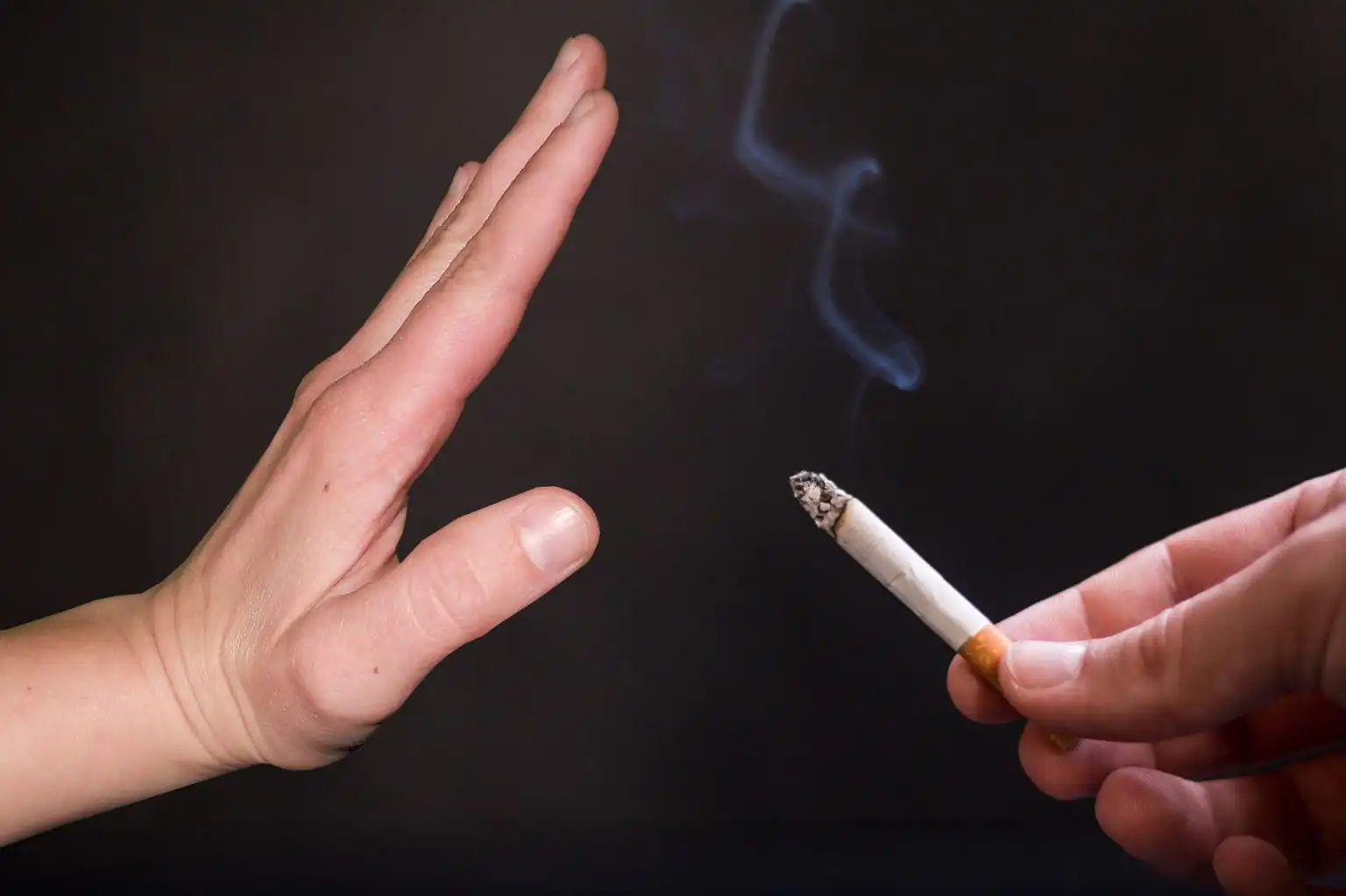
Yes, more than most people expect. Smoking carries two to four times the risk of macular degeneration, raises cataract risk, worsens dry eye and thyroid eye disease, and damages the optic nerve. It is the single largest modifiable risk factor for AMD, and quitting lowers that risk over time. This page covers each effect.
Smoking can harm almost every major part of the visual system. The clearest and most consistent clinical associations are with age-related macular degeneration, cataracts, and thyroid eye disease. Research also links smoking with uveitis and several vascular or inflammatory eye problems, while evidence for conditions such as glaucoma, diabetic retinopathy, and dry eye is more variable.
The effect is not limited to smoke touching the front of the eye. After tobacco is inhaled, nicotine, carbon monoxide, oxidants, fine particles, and other chemicals enter the bloodstream. They can influence circulation, oxygen delivery, inflammation, antioxidant defenses, endothelial function, and cellular metabolism throughout the body. The retina and optic nerve are metabolically demanding tissues, while the lens contains proteins that must remain transparent for decades. These structures can be vulnerable to cumulative oxidative and vascular stress.
This does not mean that every person who smokes will develop an eye disease, or that smoking explains every case. Age, genetics, diabetes, blood pressure, ultraviolet exposure, medication history, and many other factors matter. It does mean that tobacco exposure is a clinically important risk that can be changed. For a patient concerned about preserving vision, stopping smoking belongs beside regular eye examinations, control of systemic disease, and timely treatment of any diagnosed eye condition.
Tobacco smoke is a complex exposure rather than a single chemical. Combustion produces thousands of substances, including reactive oxidants, particulate matter, aldehydes, and carbon monoxide. Nicotine adds vascular and autonomic effects. The biological impact differs by dose, duration, inhalation pattern, genetics, nutrition, and underlying health.
Oxidative stress occurs when reactive molecules exceed the capacity of antioxidant and repair systems. The retina is already exposed to high oxygen use, light, and lipid-rich cell membranes. The lens must keep its proteins organized and transparent over a lifetime. Tobacco-related oxidants can add to this burden, damage lipids and proteins, and affect mitochondria—the structures cells use to produce energy.
Oxidative stress is a plausible mechanism, but a mechanism alone does not prove that a particular supplement prevents smoking-related damage. Clinical recommendations should be based on human outcomes, not only laboratory findings. High-dose vitamins cannot neutralize continued smoking, and some supplements create additional risk. In particular, high-dose beta-carotene increased lung-cancer risk in people who smoked and should not be treated as an antidote to tobacco exposure.
The retina, choroid, and optic nerve depend on carefully regulated blood flow. Carbon monoxide reduces the oxygen-carrying capacity of hemoglobin, while nicotine can acutely alter heart rate, blood pressure, and vascular tone. Long-term smoking promotes endothelial dysfunction and atherosclerotic disease. These changes can affect small vessels as well as the larger cardiovascular system.
A 2025 systematic review found a lower choroidal vascularity index in smokers, suggesting an adverse relationship with choroidal circulation, although retinal thickness and choroidal thickness results were less consistent. Imaging associations are not the same as proof that a measured change will cause vision loss, but they fit a broader vascular model. [14]
Tobacco smoke can activate inflammatory pathways and alter immune responses. This is especially relevant in conditions such as thyroid eye disease and uveitis, where immune activity is central to tissue injury. The exact effect is not uniform: smoking can stimulate some inflammatory pathways while suppressing others, and associations can differ across diseases.
Smoke contacting the tear film can cause burning, redness, reflex tearing, foreign-body sensation, and unstable vision. Airborne particles and chemicals may disturb epithelial cells, tear-film stability, and meibomian-gland function. Symptoms after exposure are real even though epidemiologic studies disagree about whether smoking independently increases the prevalence of formally diagnosed dry eye disease.
Eye-disease risk is commonly studied using current-versus-former smoking status, cigarettes per day, years smoked, or pack-years. Pack-years are calculated by multiplying the number of packs smoked per day by the number of years smoked. This is useful for populations but imperfect for individuals: inhalation, cigarette design, secondhand exposure, and periods of quitting are not fully captured.
There is no clinically established “safe” number of cigarettes for eye health. Reducing consumption may lower exposure, but complete cessation provides a clearer health goal than indefinitely maintaining low-level smoking.
The association between smoking and AMD is among the strongest in ophthalmology. AMD damages the macula, the central retinal region used for reading, recognizing faces, and seeing fine detail. It includes early and intermediate stages as well as advanced geographic atrophy and neovascular, or wet, AMD.
The CDC summarizes the public-health evidence by stating that people who smoke are about twice as likely to develop AMD as people who do not smoke. A systematic review of 24 studies involving more than 113,000 participants identified current cigarette smoking as one of the risk factors with strong and consistent associations with late AMD. [1,3]
In the prospective Age, Gene/Environment Susceptibility–Reykjavik Study, current smoking was associated with approximately twice the odds of incident AMD over five years after adjustment for other variables. Former smoking was also associated with increased odds, although the estimate was lower than for current smoking. Observational research cannot remove every confounder, but consistency across populations, dose-response findings, biological plausibility, and lower risk after cessation strengthen the conclusion. [4]
Smoking may influence AMD through oxidative injury, complement and inflammatory signaling, reduced choroidal circulation, lipid changes, and damage to the retinal pigment epithelium. Genetics still matter. A person with strong inherited susceptibility may never have smoked, while another smoker may not develop AMD. Smoking is a risk multiplier, not a diagnosis.
For someone who already has AMD, quitting remains important. It does not regenerate lost photoreceptors or reverse atrophy, but it removes a continuing exposure associated with progression and with disease in the fellow eye. Quitting should accompany—not replace—retinal imaging, AREDS2 consideration when clinically indicated, anti-VEGF injections for active wet AMD, and discussion of approved geographic-atrophy therapy when appropriate.
Patients can learn more on Netra’s pages for dry AMD and wet AMD.
A cataract develops when the normally transparent lens becomes cloudy. Cataracts can cause glare, halos, fading color, reduced contrast, difficulty driving at night, and progressive blur. Aging is the dominant risk factor, but smoking is one of the best-established modifiable contributors.
The CDC reports that people who smoke are two to three times more likely to develop cataracts than people who do not smoke. Nuclear cataract—the form involving the central lens nucleus—has shown a particularly consistent relationship with smoking. Tobacco-related oxidative stress may modify lens proteins and deplete protective antioxidants, while heavy metals and other smoke constituents may accumulate in ocular tissues. [1]
Risk appears to relate to cumulative exposure. In a prospective cohort of 44,371 Swedish men followed for 12 years, men smoking more than 15 cigarettes per day had a 42% higher rate of cataract extraction than never-smokers after adjustment. Risk declined after quitting but did so gradually, and among heavier smokers remained elevated for more than two decades. The study was observational and involved men, so its exact estimate should not be generalized to everyone; its important message is that earlier cessation is better. [5]
Quitting cannot clear an established cataract. When cataract meaningfully limits function, surgery is the definitive treatment. Smoking cessation still supports surgical and systemic health and may reduce ongoing risk to the other ocular tissues.
The link between smoking and thyroid eye disease—also called Graves orbitopathy—is particularly important because smoking appears to influence not only occurrence but also severity and response to treatment. Thyroid eye disease can cause lid retraction, redness, swelling, pressure, double vision, exposure-related corneal injury, and, in severe cases, optic-nerve compression.
A systematic review found strong evidence supporting a causal association between smoking and thyroid eye disease. Across the included studies, current smokers were more likely to develop thyroid eye disease, experience progression, and have poorer treatment outcomes. Dose-response patterns and lower risk among former smokers supported the conclusion. [6]
A 2026 meta-analysis of 22 studies estimated that, among people with Graves disease, current smoking was associated with about twice the odds of orbitopathy compared with Graves disease without orbitopathy. Comparisons with healthy controls showed a larger but less precise association. As with any meta-analysis of observational studies, differences between populations and diagnostic methods matter, but smoking is consistently treated as a major modifiable risk. [7]
Patients with Graves disease should be asked about smoking and secondhand exposure even if they have no eye symptoms. New double vision, color desaturation, loss of vision, inability to close the eyelids, or severe pain requires prompt assessment. Smoking cessation is not a substitute for thyroid control, lubricants, anti-inflammatory treatment, teprotumumab, orbital radiation, surgery, or emergency decompression when indicated.
Uveitis is inflammation inside the eye. It can involve the front, middle, or back of the eye and may be infectious, autoimmune, medication-related, or idiopathic. Symptoms can include redness, pain, light sensitivity, floaters, and blurred vision. Because treatment depends on cause and anatomy, it should never be self-treated as generic “inflammation.”
A 2026 systematic review and meta-analysis pooled seven observational studies and reported nearly twice the odds of uveitis among smokers. The authors also observed elevated risk among former smokers and a tendency toward more complications. The certainty is not equivalent to a randomized exposure trial—which would be unethical—and residual confounding remains possible. [8]
Earlier population-based work from the Pacific Ocular Inflammation Study also found higher odds of incident uveitis among current smokers, particularly noninfectious uveitis. Taken together, the studies support including smoking cessation in uveitis management while continuing disease-specific evaluation and treatment. [9]
Netra’s uveitis information can provide additional context, but new pain, light sensitivity, floaters, or blur requires examination by an eye-care professional.
Smoke commonly aggravates ocular-surface symptoms, yet the epidemiology of dry eye deserves careful wording. Direct exposure can sting, increase redness, disturb the tear film, and trigger reflex tearing. Chronic smoking may influence epithelial health, inflammation, corneal nerves, and meibomian glands. However, dry eye is multifactorial and strongly affected by age, sex, autoimmune disease, medications, screen behavior, contact lenses, eyelid disease, climate, and prior surgery.
A 2022 meta-analysis of 22 studies involving more than 160,000 participants did not find a statistically significant adjusted association between current smoking and dry eye; heterogeneity was high. A newer meta-analysis pooling a broader set of potential risk factors reported a modest association. The disagreement may reflect different dry-eye definitions, populations, exposure measures, and adjustment strategies. [10,11]
The useful clinical conclusion is narrower than “smoking causes every case of dry eye.” Smoke is an ocular irritant and may worsen symptoms or tear-film instability in susceptible people. Avoiding smoke exposure is reasonable, but persistent burning, fluctuating blur, light sensitivity, or pain should be evaluated rather than attributed to smoke alone.
Learn more about the multifactorial nature of dry eye.
Smoking damages cardiovascular health, and the eye shares the same circulation. Research has associated smoking with retinal vein occlusion, ischemic optic neuropathy, and other vascular events. A meta-analysis of retinal vein occlusion risk factors included cigarette smoking among contributors, while also emphasizing hypertension, diabetes, hyperlipidemia, glaucoma, and metabolic syndrome. [13]
For glaucoma, the evidence is less straightforward than for AMD or cataract. Some large observational analyses report higher glaucoma incidence among smokers; others find weak, inconsistent, or subtype-dependent associations after adjustment. Smoking can affect vascular regulation and oxidative stress—biologically relevant to the optic nerve—but elevated intraocular pressure, age, family history, corneal thickness, and ancestry remain better-established clinical risk factors. Patients should not be told that smoking is the sole cause of glaucoma or that quitting replaces pressure-lowering treatment.
The relationship with diabetic retinopathy is also complicated. Smoking clearly worsens cardiovascular and renal risk in diabetes, but studies of diabetic-retinopathy incidence have produced variable results because smoking patterns, diabetes type, survival bias, glucose control, and competing risks differ. No uncertainty about a single retinal endpoint makes smoking safe for someone with diabetes. Stopping tobacco remains part of comprehensive vascular-risk management alongside glucose, blood pressure, lipids, kidney health, and dilated retinal examinations.
A 2026 electronic-health-record analysis involving more than 12 million patients reported associations between smoking and several vision-threatening diagnoses, including AMD, cataract, glaucoma, retinal vascular occlusion, uveitis, and ischemic optic neuropathy. Its scale is valuable, but retrospective database studies can be affected by coding errors, health-care utilization, residual confounding, and incomplete exposure data. It strengthens the overall warning without replacing condition-specific prospective evidence. [15]
Secondhand smoke contains many of the same combustion products inhaled by the person smoking. Exposure can irritate the eyes immediately, and long-term exposure contributes to cardiovascular and respiratory disease. Ocular research is smaller and less consistent than the evidence for active smoking, but avoiding indoor smoke is prudent—especially for children, pregnant people, contact-lens wearers, patients with ocular-surface disease, and people with retinal or vascular risk.
A smoke-free home and vehicle reduce exposure more reliably than opening a window, using a fan, or smoking in another room. Smoke particles also settle on clothing, furniture, and surfaces, sometimes called thirdhand exposure. The eye-specific long-term consequences of thirdhand exposure are not well quantified, but eliminating indoor smoking remains the safest policy.
“Less harmful than combustible cigarettes” and “safe” are not the same statement. E-cigarette aerosol can contain nicotine, solvents, flavoring chemicals, aldehydes, metals, and fine particles. Devices and liquids vary, making research difficult to generalize. Long-term eye outcomes are not yet known because products and patterns of use continue to change.
A 2024 systematic review of vaping and the ocular surface found evidence of short-term tear-film and surface changes, symptoms, and cellular effects, but emphasized the limited number and quality of human studies. A broader review similarly concluded that ocular evidence is sparse, particularly for long-term retinal and optic-nerve outcomes. [12,16]
Vaping should therefore not be promoted as an eye-health intervention. For adults who smoke, clinicians should prioritize cessation methods with established effectiveness and safety. The U.S. Preventive Services Task Force found insufficient evidence to recommend e-cigarettes as a cessation intervention and directs clinicians toward behavioral support and approved pharmacotherapy. [17]
Smokeless tobacco avoids smoke exposure but still delivers nicotine and is not harmless. Cannabis smoke also contains irritants and combustion products; research on chronic ocular outcomes remains limited and confounded by dose, route, and co-use of tobacco. Patients should disclose all nicotine, tobacco, vaping, and cannabis products because each may affect counseling, medications, anesthesia, cardiovascular risk, and symptom interpretation.
Yes. Quitting is beneficial at any age, although eye-specific risk may decline gradually and may not return immediately to the level of someone who never smoked. The cataract cohort described earlier found declining extraction risk after cessation, with a slower decline after heavier exposure. AMD studies generally find the highest risk among current smokers and a lower—but sometimes still elevated—risk among former smokers.
Risk reduction is not the same as reversal. A cataract will not become transparent because a person quits, geographic atrophy will not regrow, and established optic-nerve damage will not disappear. The benefit is ending continued exposure, improving systemic health, and potentially reducing future disease or progression risk.
The best time to quit was before exposure accumulated; the next best time is now. A lapse does not erase previous progress. Tobacco dependence is a chronic, relapsing condition, and many people need several attempts, medication adjustments, and continued support.
Quitting advice should be specific enough to help, not simply “you should stop.” The USPSTF recommends that clinicians ask adults about tobacco use, advise cessation, and provide behavioral interventions and FDA-approved pharmacotherapy for nonpregnant adults who smoke. Counseling and medication work individually; combining them produces the best success rates. [17]
Record cigarettes per day, years smoked, prior quit attempts, triggers, withdrawal symptoms, household exposure, and use of vaping, cigars, pipes, hookah, cannabis, or smokeless tobacco. Ask what worked and what failed previously without treating relapse as a moral failure.
Some people choose a firm quit date; others use a structured reduction plan leading to cessation. The plan should identify triggers, remove tobacco supplies, enlist support, and prepare alternatives for stress, meals, driving, alcohol, and social situations.
FDA-approved options for nonpregnant adults include nicotine-replacement medications, varenicline, and sustained-release bupropion. Nicotine replacement is available in long-acting and short-acting forms; combining a patch with gum or a lozenge can improve success compared with one form alone. Medication choice depends on health history, other drugs, prior response, side effects, pregnancy status, and patient preference. [17–19]
In this article, nicotine replacement therapy and Netra Restoration Therapy share the abbreviation “NRT” but are entirely different. To prevent dangerous confusion, the terms should always be written out in clinical instructions.
Counseling can be delivered individually, in groups, by telephone, or through validated digital programs. The CDC provides free, confidential quitline coaching at 1-800-QUIT-NOW. Follow-up should address withdrawal, mood, sleep, appetite, medication use, lapses, and new triggers. [18]
Pregnant people, adolescents, people with severe or unstable medical conditions, and those taking interacting psychiatric medications need individualized guidance. The USPSTF recommends behavioral counseling during pregnancy; evidence is insufficient to make a general recommendation about cessation pharmacotherapy in pregnant people. [17]
Smoking history does not create one universal testing schedule. Examination frequency depends on age, symptoms, family history, diabetes, thyroid disease, medications, and established ocular findings. A comprehensive dilated examination may include visual acuity, refraction, slit-lamp evaluation of the ocular surface and lens, eye-pressure measurement, dilated retinal examination, and additional imaging when indicated.
Patients with AMD may need optical coherence tomography, retinal photography, or home distortion monitoring. Glaucoma risk may require optic-nerve imaging and visual fields. Thyroid eye disease may require color vision, motility, exposure, and optic-nerve assessment. Uveitis requires localization of inflammation and investigation of infectious or systemic causes.
Urgent evaluation is appropriate for:
Netra Restoration Therapy is an integrative eye-care program intended to complement, not replace, conventional ophthalmic and medical care. In a smoking-related risk plan, its most defensible role is not to “detox” the eye or promise reversal. It is to help organize modifiable health behaviors and supportive care around a verified diagnosis.
Clarify the diagnosis and urgency. Smoking-related risk should never become a catch-all explanation for vision change. Cataract, AMD, uveitis, thyroid eye disease, glaucoma, vascular occlusion, and ocular-surface disease require different examinations and treatments.
Support cessation rather than inventing an alternative. Patients should be referred to evidence-based counseling, a quitline, and a prescribing clinician for cessation medication when appropriate. Acupuncture, relaxation training, nutrition, or stress support may help some people manage triggers, but they should not be presented as replacements for proven cessation treatment.
Review nutrition without claiming that food cancels smoke. A diet rich in vegetables, fruit, legumes, whole grains, nuts, and appropriate sources of healthy fats supports cardiovascular and metabolic health. No food, herb, antioxidant infusion, or supplement neutralizes ongoing tobacco exposure. High-dose supplement safety and drug interactions require review.
Address ocular-surface comfort. Smoke avoidance, environmental changes, blink behavior, eyelid care, and prescribed dry-eye treatment can be integrated when burning or fluctuating vision is present. Persistent or disproportionate pain may require evaluation for corneal disease or neuropathic ocular pain.
Track objective care and functional goals. Retinal imaging, visual fields, eye pressure, inflammatory activity, or lens status should remain under the appropriate eye specialist. Supportive visits can track tobacco use, adherence, medication tolerance, diet, sleep, stress, reading comfort, and quality of life without treating subjective improvement as proof of retinal repair.
Preserve evidence boundaries. Research on oxidative stress, inflammation, perfusion, acupuncture, botanicals, and behavioral support may provide rationale for individual components. It does not establish that the complete proprietary Netra program prevents smoking-related eye disease or restores vision already lost. Future NRT-specific controlled outcome studies would be needed for those claims. [20]
Smoking is strongly associated with late AMD and is considered a modifiable risk factor. A person with AMD should stop smoking, continue retinal monitoring, and follow stage-specific treatment. Quitting reduces exposure but does not guarantee that progression will stop.
It depends on the cause. Surface irritation may improve when smoke exposure stops, but blur caused by cataract, macular damage, glaucoma, retinal vascular disease, or another structural problem needs diagnosis and may require specific treatment.
Some studies find that risk remains elevated for years, especially after heavier cumulative exposure. Risk generally appears lower than in current smokers. Former smoking status should remain part of the eye history, but quitting is still beneficial.
It can cause immediate irritation, and long-term secondhand exposure harms cardiovascular and respiratory health. Eye-specific long-term estimates are less certain than for active smoking, but a smoke-free home and vehicle are prudent.
Vaping studies report ocular-surface symptoms and tear-film changes, but the long-term evidence is limited and products vary widely. Vaping should not be described as harmless or used as the default medical cessation strategy.
Only if retinal findings place them in an AMD stage shown to benefit. Current and former smokers should use a formula with lutein and zeaxanthin rather than beta-carotene. An ophthalmologist should determine eligibility.
Studies of acupuncture for smoking cessation have produced mixed results, and it should not replace counseling and approved medications. If used, it should be adjunctive, with continued evidence-based cessation support.
It should be framed as supportive integrative care. It may help organize lifestyle change, nutrition, stress support, ocular-surface comfort, and care coordination, but it has not been proven to reverse smoking-related retinal, lens, or optic-nerve damage.
Smoking is a meaningful, modifiable threat to long-term vision. The strongest evidence links it with AMD, cataracts, and thyroid eye disease. Evidence also supports relationships with uveitis and vascular eye disease, while the size and independence of the association are less certain for dry eye, glaucoma, and diabetic retinopathy.
The most effective eye-health response is not a detox, supplement stack, or promise of retinal regeneration. It is a coordinated plan: stop tobacco exposure using counseling and proven cessation medication when appropriate, receive eye examinations based on personal risk, control systemic vascular and metabolic factors, and treat diagnosed eye disease without delay.
Netra Eye Institute can contribute through education, individualized lifestyle implementation, supplement-safety review, ocular-surface support, stress management, and coordination with ophthalmology. That supportive role is clinically meaningful precisely because it keeps the central intervention clear: stopping smoking and maintaining evidence-based eye care.
Medical Disclaimer: This article is for educational purposes only and does not constitute medical advice. It is not a substitute for diagnosis, monitoring, smoking-cessation treatment, or eye care from qualified medical professionals. Sudden vision loss, a new curtain or shadow, new distortion, severe eye pain, marked redness or light sensitivity, or new double vision requires prompt medical evaluation. Medication decisions—including nicotine-replacement medication, varenicline, or bupropion—should be made with an appropriate clinician.