Search conditions, treatments, research reviews and articles. Press Enter to see all results, Esc to close.
Blog
July 30, 2026
Reduced and unstable blood flow to the optic nerve is consistently found in glaucoma, especially when it worsens at normal pressure. Low night-time blood pressure, cold hands and feet, migraine and sleep apnea are common contributors. This page explains how ocular blood flow is assessed and which of these can actually be addressed.
Because eye pressure is only one of the forces acting on the optic nerve, and blood supply is another. Glaucoma affects roughly 80 million people worldwide and is a leading cause of irreversible blindness. Lowering intraocular pressure slows it in most patients, yet a meaningful minority continue to lose vision despite "good" numbers.
The vascular theory of glaucoma helps fill that gap. The optic nerve head is metabolically hungry and depends on a steady, well-regulated blood supply. When that supply becomes unstable, nerve fibers suffer even at normal pressure. This is why understanding ocular blood flow and vascular dysregulation matters for anyone trying to protect sight over decades.
This article explains the normal blood supply of the optic nerve, what goes wrong in vascular dysregulation, how clinicians measure it, and how treatment is evolving. It is written for patients, optometry and medical students, practising eye doctors, and researchers at once. You can read more about the broader disease on our glaucoma overview page.
Glaucoma is a group of optic neuropathies defined by progressive loss of retinal ganglion cells, thinning of the retinal nerve fiber layer, and characteristic cupping of the optic nerve head, leading to corresponding visual field loss. The classic risk factor is elevated intraocular pressure, but the disease is now understood as multifactorial, with mechanical and vascular components.
The vascular contribution was proposed over a century ago and revived through detailed studies of optic nerve head perfusion. Researchers such as Josef Flammer described how poor ocular blood flow regulation, not just pressure, can injure the nerve. This thinking is most relevant in normal-tension glaucoma, where damage occurs at statistically normal pressures.
Mechanical versus vascular contributions to glaucoma damage (diagram to be added)
Key Point: Eye pressure and blood flow are not competing explanations. In most patients they act together, which is why controlling pressure helps but does not always stop progression.
Quick factDetailGlobal casesRoughly 80 million people, projected to rise with aging populationsMain treatable risk factorElevated intraocular pressure (eye pressure)Vascular-prominent subtypeNormal-tension glaucomaCells lostRetinal ganglion cells and their axonsReversibilityVision lost is permanent; the goal is to slow further loss
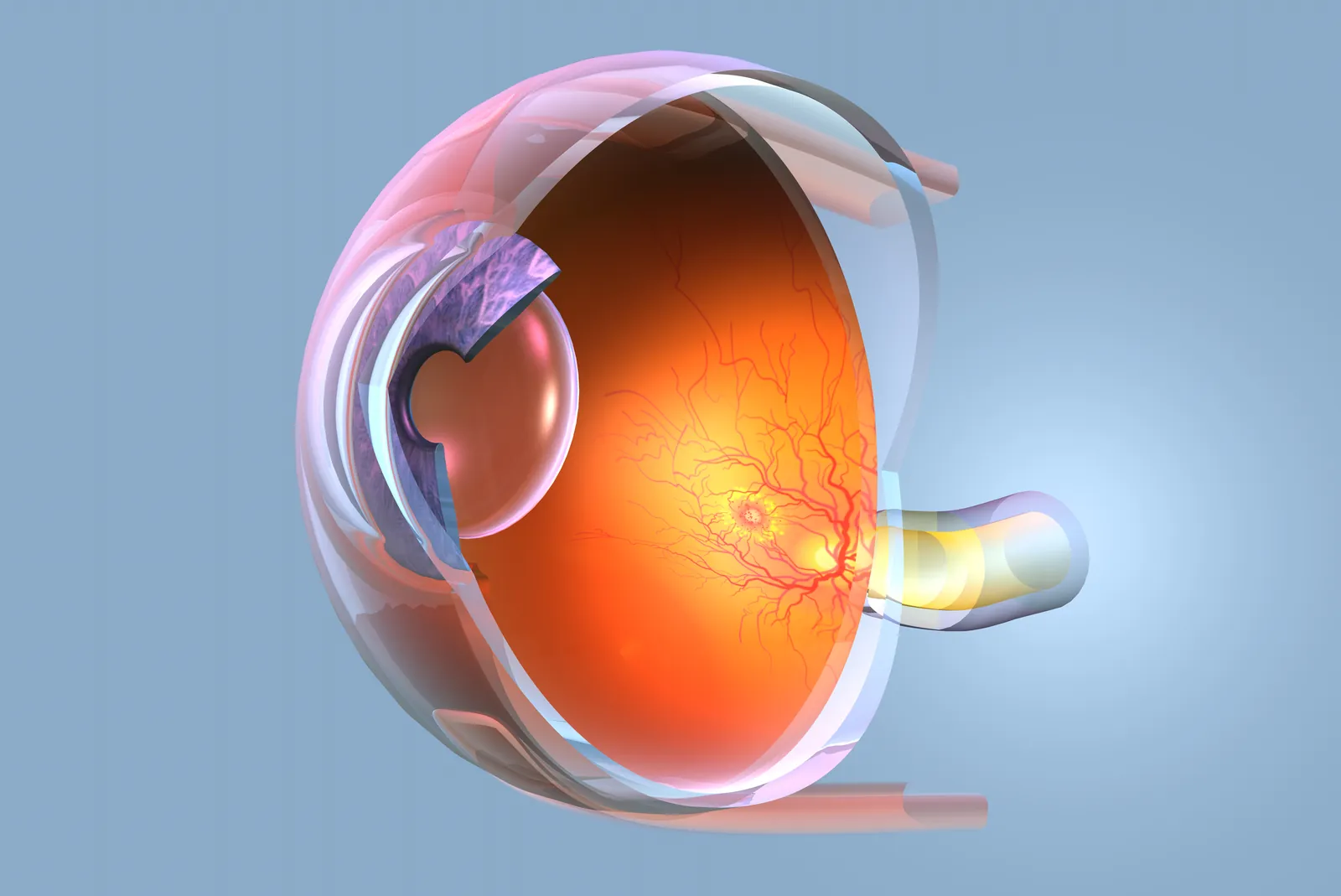
The optic nerve head receives blood mainly from the posterior ciliary arteries, branches of the ophthalmic artery, which itself arises from the internal carotid artery. The retina is fed by the central retinal artery, while the deeper optic nerve head and choroid depend heavily on the short posterior ciliary arteries and the circle of Zinn-Haller.
This blood supply is unusual because it sits in a pressure-sensitive environment. Perfusion pressure at the eye equals blood pressure minus intraocular pressure. So when eye pressure rises or blood pressure falls, the pressure pushing blood through the nerve drops. Healthy vessels compensate through autoregulation, adjusting their diameter to keep flow constant.
Autoregulation is the ability of ocular vessels to maintain steady blood flow despite changes in perfusion pressure. The retina and optic nerve head have strong autoregulatory capacity, controlled by local factors including nitric oxide, endothelin-1, carbon dioxide, and metabolic demand, rather than by autonomic nerves alone.
When autoregulation works, a brief rise in eye pressure or a drop in blood pressure does little harm. When it fails, the nerve is exposed directly to swings in perfusion. This is the central idea behind vascular dysregulation in glaucoma.
Blood supply of the optic nerve head (diagram to be added)
Ocular microvessels rely on the endothelium, the inner lining of blood vessels, which releases nitric oxide to relax vessels and endothelin-1 to constrict them. Pericytes wrapped around capillaries also fine-tune flow. Healthy balance keeps oxygen delivery matched to the high metabolic needs of nerve axons and mitochondria.
When this balance tips toward constriction or becomes erratic, the optic nerve head experiences fluctuating oxygen levels. These swings, rather than a single dramatic blockage, are thought to drive slow glaucomatous damage.
Glaucoma is usually painless and silent until vision is already lost, which is why it is called the silent thief of sight. Vascular factors can make progression faster or more erratic, but the symptoms by stage are similar to glaucoma overall.
StageWhat is happeningWhat the patient noticesEarlyMild nerve fiber loss, small visual field defectsUsually nothing; detected on testingIntermediateExpanding field defects, more cuppingOccasional missed objects, mild difficulty in dim lightAdvancedSignificant field loss, central vision threatenedBumping into things, tunnel-like visionEmergencyAcute angle-closure or sudden pressure spikeSevere eye pain, redness, halos, nausea, sudden blurring
Clinical Pearl: Patients with strong vascular features may report cold hands and feet, low blood pressure, or migraine. These clues raise suspicion for normal-tension glaucoma and prompt closer blood pressure review.
Acute angle-closure with severe pain and nausea is a true emergency. If you have sudden, severe eye pain with halos and vomiting, seek urgent care. Learn more on our angle-closure glaucoma page.
Vascular dysregulation arises from a mix of systemic vascular tendencies, local endothelial problems, and blood pressure behaviour. Some causes are fixed, others can be modified.
Primary vascular dysregulation is a constitutional tendency for blood vessels to respond abnormally to stimuli such as cold or stress. People with it often have cold hands and feet, low or borderline blood pressure, a tendency to faint, and migraine. It is more common in women, in slender individuals, and in patients with normal-tension glaucoma.
Secondary vascular dysregulation follows other conditions such as autoimmune disease, sleep apnea, atherosclerosis, or carotid disease. Obstructive sleep apnea causes repeated nighttime drops in oxygen and surges in blood pressure that stress the optic nerve circulation.
Non-modifiable factorsModifiable factorsAgeUntreated obstructive sleep apneaFamily historyAggressive nighttime blood pressure loweringFemale sex (for primary vascular dysregulation)SmokingGenetic predispositionDehydration and poor cardiovascular fitnessEthnic background (varies by glaucoma type)Untreated systemic hypotension or hypertension
Vascular dysregulation injures the optic nerve through repeated mismatches between blood supply and the high oxygen demand of axons. Several mechanisms work together; each is described below as a standalone process.
Ocular perfusion pressure is blood pressure minus intraocular pressure. When this number swings, the optic nerve head experiences alternating periods of adequate and inadequate blood flow. The Barbados Eye Studies and other population research linked low ocular perfusion pressure to higher glaucoma risk. Unstable perfusion appears more damaging than a steady, modestly reduced level, because fluctuation drives ischemia-reperfusion stress.
Blood pressure naturally falls during sleep, but in some people it falls too far, a pattern called over-dipping. When blood pressure plunges at night while a person lies flat, optic nerve perfusion can drop below what damaged autoregulation can buffer. Several observational studies have associated nocturnal hypotension and over-dipping with faster visual field progression, especially in normal-tension glaucoma. This is why aggressive evening dosing of blood pressure drugs can sometimes backfire for the eye.
Evidence Snapshot: Observational cohorts link nocturnal blood pressure dips to faster field loss, but randomized trials proving that adjusting medication timing protects vision are limited. Treat this as a plausible, evidence-supported concern rather than settled fact.
Endothelial dysfunction means the vessel lining fails to balance dilation and constriction properly. In glaucoma, studies report reduced nitric oxide availability and elevated endothelin-1, a powerful vasoconstrictor. Higher endothelin-1 levels have been measured in the blood and aqueous humor of some glaucoma patients. The result is a tendency toward vasoconstriction and impaired flow reserve at the optic nerve head.
When blood flow briefly drops then returns, the reperfusion phase floods tissue with oxygen and generates reactive oxygen species. These free radicals damage mitochondria, proteins, and membranes. Retinal ganglion cell axons, which are densely packed with energy-hungry mitochondria at the optic nerve head, are particularly vulnerable to this oxidative stress.
Mitochondria supply the energy that ganglion cells need to maintain their long axons and electrical signaling. Repeated low-oxygen episodes impair mitochondrial function, lower ATP production, and trigger pathways leading to apoptosis, a form of programmed cell death. This links the vascular theory to the broader idea of glaucoma as a metabolic and neurodegenerative disease.
The neurovascular unit is the close partnership between neurons, glial cells, and blood vessels that matches blood flow to activity. In glaucoma, dysfunction of this unit and of the blood-retinal barrier may worsen flow control and allow harmful molecules into delicate tissue. This is an active area of research with mostly preclinical and early human evidence.
Ischemia-reperfusion pathway to ganglion cell loss (diagram to be added)
Diagnosis combines standard glaucoma assessment with tools that probe blood flow and blood pressure behaviour. There is no single test that proves vascular dysregulation, so clinicians build a picture from several sources.
Core glaucoma evaluation includes intraocular pressure measurement, gonioscopy, optic nerve examination, optical coherence tomography (OCT) of the nerve fiber layer, and visual field testing. Vascular evaluation adds blood flow imaging, blood pressure profiling, and a careful history of cold extremities, migraine, and fainting.
TestWhat it measuresVascular relevanceOCT angiography (OCTA)Peripapillary and macular vessel densityReduced vessel density correlates with damage24-hour blood pressure monitoringDaytime and nighttime blood pressureDetects over-dipping and nocturnal hypotensionVisual field testingFunctional field loss over timeTracks progression that may be vascularOCT (RNFL and GCC)Structural nerve fiber and ganglion cell layerBaseline for structure-function correlationNailfold capillaroscopy (research)Microvascular reactivity to coldSupports primary vascular dysregulation
Research Update: OCT angiography has made non-invasive measurement of optic nerve and macular perfusion routine. Studies consistently show lower peripapillary vessel density in glaucoma, though whether reduced flow is fully cause or partly consequence is still debated.
For more on imaging, see our OCT and OCT angiography explainer.
Lowering intraocular pressure is the only proven, first-line way to slow glaucoma, and it remains the backbone of care regardless of vascular features. Vascular management is adjunctive and aims to stabilise perfusion rather than replace pressure-lowering.
Pressure can be lowered with eye drops, laser trabeculoplasty, or surgery. Each route reduces the mechanical and indirectly the perfusion stress on the optic nerve, since lower eye pressure raises ocular perfusion pressure.
TreatmentHow it helpsLimitationsProstaglandin analog dropsStrong pressure lowering, once dailyDo not directly target blood flowBeta-blocker dropsLower pressureCan lower systemic and nighttime blood pressure, a vascular concernSelective laser trabeculoplastyLowers pressure, reduces drop burdenEffect may wane over yearsFiltering or MIGS surgerySubstantial pressure loweringSurgical risks; no direct blood flow effect
Clinical Pearl: In patients with low blood pressure and suspected vascular dysregulation, clinicians may avoid systemic beta-blocker effects and review the timing of any blood pressure medication with the patient's physician.
Some patients progress because pressure control alone does not correct unstable blood flow, ongoing oxidative stress, or systemic vascular problems. The landmark Collaborative Normal-Tension Glaucoma Study showed that lowering pressure slows progression even at normal pressures, yet a subset of treated eyes still worsened, pointing to non-pressure factors.
Contributors to continued loss include nocturnal hypotension, sleep apnea, persistent vasospasm, advanced baseline damage, and individual genetic vulnerability. Recognising these helps target the right additional strategies, such as treating sleep apnea or coordinating blood pressure care, rather than simply pushing eye pressure ever lower.
Emerging therapies aim to protect ganglion cells (neuroprotection), improve or stabilise blood flow, and support mitochondria. Evidence ranges from preclinical to moderate; none replaces pressure-lowering today.
ApproachGoalEvidence levelCalcium channel blockers (low dose)Reduce vasospasm, improve ocular flowMixed, small human studiesGinkgo biloba extractImprove microcirculation, antioxidant effectEmerging, small trialsNicotinamide (vitamin B3)Support mitochondrial energy in ganglion cellsPromising early human and animal dataCiticolineNeuroprotection of visual pathwayModerate, several small trialsGene and stem cell therapyProtect or replace ganglion cellsPreclinical to early trialPhotobiomodulationSupport mitochondrial functionPreclinical and limited human data
Evidence Snapshot: A 2017 crossover study of nicotinamide in glaucoma reported improved inner retinal function, and a 2022 trial suggested benefit alongside pressure-lowering. These results are encouraging but need larger, longer trials before nicotinamide becomes standard.
Patients should not start supplements alone for glaucoma. Discuss any of these with your eye doctor, and see our glaucoma neuroprotection resource.
An integrative perspective treats glaucoma as a whole-body vascular and metabolic problem, using lifestyle and systemic measures to support, never replace, standard eye care. The mechanisms it targets are real: blood pressure stability, vascular health, oxidative stress, and stress physiology.
Some traditional systems such as Traditional Chinese Medicine and Ayurveda emphasise circulation and stress, and certain herbal compounds are being studied for antioxidant and vasoactive effects. Evidence remains early, and these should be viewed as complementary, not curative.
Netra Restoration Therapy is an integrative, adjunctive approach intended to complement, not replace, standard glaucoma treatment, with proposed mechanisms centered on ocular blood flow and nerve health. Research in this area continues to evolve, and no specific visual outcome can be promised.
The proposed mechanisms map onto the vascular pathways described in this article:
Key Point: Any integrative therapy, including Netra Restoration Therapy, should be used alongside prescribed pressure-lowering treatment and regular monitoring. Continue your standard glaucoma care and keep all follow-up appointments.
The evidence base mixes strong epidemiology linking blood flow to glaucoma with smaller, less conclusive treatment trials. The table below summarises representative findings in one honest line each.
Study or body of workTypeKey finding (one line)Collaborative Normal-Tension Glaucoma StudyRandomized trialLowering pressure slowed progression at normal pressures, but some eyes still worsened.Barbados Eye StudiesPopulation cohortLow ocular perfusion pressure associated with higher open-angle glaucoma risk.Egna-Neumarkt StudyPopulation cohortLinked low diastolic perfusion pressure to greater glaucoma prevalence.OCTA vessel density studiesCross-sectional imagingReduced peripapillary vessel density correlates with structural and functional loss.Nicotinamide trials (2017, 2022)Small clinical trialsSuggested improved retinal function as add-on therapy; larger trials needed.
MythFactNormal eye pressure means no glaucoma riskNormal-tension glaucoma damages the nerve at statistically normal pressures.Only eye pressure mattersBlood flow, blood pressure, and oxidative stress also influence progression.Higher blood pressure is always good for the eyeBoth very low and very high blood pressure can harm optic nerve perfusion.Supplements can replace eye dropsNo supplement replaces proven pressure-lowering treatment.Glaucoma vision loss can be reversed with better circulationLost vision is permanent; the goal is to slow further loss.
Yes. Normal-tension glaucoma damages the optic nerve at statistically normal pressures, and reduced or unstable ocular blood flow is a leading explanation. Lowering pressure further still helps many of these patients, but vascular factors such as nighttime blood pressure dips and vasospasm can drive progression independently. Careful monitoring and attention to systemic vascular health are important.
Vascular dysregulation means the small blood vessels in your eye and body do not keep blood flow steady the way they should. They may tighten too much, fail to relax when needed, or overreact to cold and stress. In glaucoma, this leads to repeated brief shortages of oxygen to the optic nerve, which can slowly damage it over time.
Low blood pressure does not directly cause glaucoma, but it can contribute to progression by lowering the pressure that drives blood through the optic nerve. Nighttime drops are especially relevant. If your blood pressure runs low or dips sharply at night, your eye doctor may coordinate with your physician about medication timing, but you should never change prescriptions on your own.
No. Stopping blood pressure medication on your own can be dangerous and raise your risk of stroke and heart disease. If you and your eye doctor suspect nighttime over-dipping is harming your optic nerve, the right step is a conversation with the physician who manages your blood pressure about dosing and timing, supported by 24-hour blood pressure monitoring.
Ocular perfusion pressure is roughly your blood pressure minus your eye pressure. It represents the force available to push blood through the optic nerve and retina. When eye pressure rises or blood pressure falls, perfusion pressure drops. Studies link low ocular perfusion pressure to higher glaucoma risk, which is why both numbers matter together rather than in isolation.
Regular aerobic exercise supports healthy blood vessels and can modestly lower eye pressure in many people. It also improves overall cardiovascular health, which benefits optic nerve perfusion. Some high-resistance activities and certain yoga inversions can briefly raise eye pressure, so ask your eye doctor for guidance. Exercise complements, but does not replace, your prescribed treatment.
It can. Cold hands and feet, low blood pressure, and migraine are signs of primary vascular dysregulation, a tendency for blood vessels to overreact. This pattern is more common in people with normal-tension glaucoma. Mentioning these symptoms to your eye doctor helps them assess the vascular side of your disease and consider appropriate monitoring.
Vascular factors appear especially important in normal-tension glaucoma, where damage occurs without high eye pressure. Patients more often show signs of vascular dysregulation, nighttime hypotension, and migraine. That said, vascular contributions also matter in high-pressure glaucoma. The difference is one of emphasis, not an absolute divide between types.
OCT angiography measures blood vessel density in the retina and around the optic nerve without injections. It consistently shows reduced vessel density in glaucoma and helps track damage. However, it cannot by itself prove that poor blood flow caused the disease, since reduced flow can be partly a consequence of nerve loss. It is one valuable piece of the assessment.
No. Vision lost to glaucoma is permanent because dead retinal ganglion cells do not regrow with current treatments. The realistic goal is to slow or stop further loss. Supporting healthy circulation and stable blood pressure may help protect remaining nerve fibers, but it works alongside pressure-lowering treatment rather than restoring sight already lost.
Not yet proven, but promising for some. Small studies of ginkgo biloba and nicotinamide (vitamin B3) suggest possible benefits for blood flow and nerve energy, and larger trials are underway. Because supplements can interact with medications and quality varies, discuss any product with your eye doctor before starting it, and never use it to replace prescribed treatment.
Yes. Obstructive sleep apnea causes repeated drops in blood oxygen and surges in blood pressure during sleep, which stress the optic nerve circulation. Untreated sleep apnea is associated with higher glaucoma risk and possibly faster progression. If you snore heavily, wake gasping, or feel unrefreshed, ask about a sleep study; treating apnea benefits both your eyes and your heart.
That depends on your damage and progression rate, but patients with vascular features and normal-tension glaucoma often need careful, regular follow-up with visual fields and OCT. Your eye doctor sets the schedule based on how stable you are. Consistent monitoring catches progression early, when changing treatment can still protect remaining vision.
Chronic stress affects blood pressure and vascular tone, which could in theory influence optic nerve perfusion, though direct evidence in glaucoma is limited. Managing stress supports overall vascular health and wellbeing. Relaxation techniques are reasonable as part of a healthy lifestyle but should accompany, not replace, your prescribed glaucoma treatment and monitoring.
Increasingly, yes. Glaucoma shares features with other neurodegenerative conditions, including mitochondrial dysfunction, oxidative stress, and progressive neuron loss. The vascular theory fits this view, since unstable blood flow contributes to the metabolic stress that kills retinal ganglion cells. This broader understanding is shaping new research into neuroprotection.
Caffeine can cause a small, short-lived rise in eye pressure in some people, but moderate consumption is generally considered acceptable for most patients. Very high intake may have a larger effect. If you have glaucoma, discuss your usual caffeine habits with your eye doctor rather than making drastic changes on your own.
Severe dehydration can lower blood pressure and reduce perfusion, which is not ideal for the optic nerve, though drinking a very large volume of fluid quickly can briefly raise eye pressure. Sensible, steady hydration through the day is the practical advice. As always, fit this into the broader plan your eye doctor recommends.
Endothelin-1 is a powerful molecule made by blood vessel walls that causes vessels to constrict. Some glaucoma patients have higher levels, which may reduce blood flow to the optic nerve. Researchers are studying whether blocking endothelin-1 could protect vision. For now it is an important mechanism in the vascular theory rather than a treatment target in clinic.
Glaucoma is more common with age, but younger people, particularly slim women with low blood pressure, cold extremities, and migraine, can develop normal-tension glaucoma with strong vascular features. Family history raises risk. Anyone with these patterns and a family history of glaucoma should have a thorough eye examination including optic nerve assessment.
Yes, indirectly. Because ocular perfusion pressure equals blood pressure minus eye pressure, lowering eye pressure raises the pressure available to drive blood through the optic nerve. This is one reason pressure-lowering helps even patients whose problem is partly vascular. It does not fix faulty autoregulation, but it relieves some of the strain.
Some medications have been studied for blood flow effects beyond pressure lowering. Certain agents may improve optic nerve perfusion, while others, like systemic beta-blocker effects, can lower nighttime blood pressure unhelpfully. Your eye doctor weighs these factors when choosing drops, especially if you have low blood pressure or vascular dysregulation.
Home or 24-hour blood pressure monitoring can be very useful if vascular factors are suspected, because it reveals nighttime dips that clinic readings miss. Share the results with both your eye doctor and the physician who manages your blood pressure so they can coordinate care. Do not adjust any medication based on home readings without medical advice.
Yes. Early detection and treatment are the most powerful tools against glaucoma. The earlier pressure is controlled and any vascular contributors are addressed, the more nerve tissue you can preserve. Because early glaucoma has no symptoms, regular eye exams, especially if you have risk factors, are the key to catching it in time.
Family history significantly increases glaucoma risk, including normal-tension and vascular-prominent forms. If a close relative has glaucoma, your risk is several times higher, and you should have regular comprehensive eye exams. Genetics interact with vascular and other factors, so a family history is a reason for vigilance rather than a guarantee of disease.
Yes. Smoking damages blood vessels, promotes endothelial dysfunction, and increases oxidative stress, all of which are harmful to optic nerve perfusion. Quitting smoking benefits your eyes along with your heart, lungs, and brain. It is one of the most impactful modifiable steps you can take to support your overall and ocular vascular health.
Glaucoma is a progressive optic neuropathy in which lowering intraocular pressure slows but does not always stop vision loss. Ocular blood flow and vascular dysregulation help explain continued progression, especially in normal-tension glaucoma. The optic nerve depends on steady, well-regulated perfusion, and when autoregulation fails, the nerve suffers repeated cycles of ischemia and reperfusion, oxidative stress, and mitochondrial strain.
Diagnosis blends standard glaucoma testing with OCT angiography and blood pressure profiling. Treatment still centers on pressure-lowering, while vascular strategies, including managing blood pressure timing, treating sleep apnea, and supporting cardiovascular health, are adjunctive. Emerging therapies and integrative approaches, including Netra Restoration Therapy, target blood flow, oxidative stress, and nerve survival, but they complement standard care and promise nothing. Early detection and consistent monitoring remain the strongest tools for protecting sight.
Medical Disclaimer: This content is for general education and does not replace personalized medical advice. Do not start, stop, or change any treatment, including blood pressure medication or supplements, without consulting your ophthalmologist and physician. If you experience sudden severe eye pain, vision loss, or other urgent symptoms, seek immediate medical care.