Blog
July 30, 2026
Glaucoma can keep progressing at pressures your chart calls normal, because pressure is a risk factor, not the disease itself. Glaucoma is degeneration of the optic nerve, driven also by unstable blood flow, perfusion pressure and how vulnerable the nerve is. This page explains why a normal reading can mislead, and what else to check.
Glaucoma is classified as a neurodegenerative disease because its defining feature is the progressive, irreversible loss of retinal ganglion cells (RGCs) and their axons that form the optic nerve. This is the same category of disease process seen in conditions like Parkinson's and Alzheimer's, where specific populations of neurons die over time.
For more than a century, glaucoma was treated almost entirely as a plumbing problem: too much fluid pressure inside the eye crushing the nerve. That model is incomplete. Eye pressure matters enormously, but it is one input into a complex disease, not the disease itself.
The reframing matters for every reader. For patients, it explains why "my pressure is fine" does not always mean "my glaucoma is controlled." For clinicians, it justifies looking beyond IOP at vascular health, sleep apnea, and blood pressure. For researchers, it connects glaucoma to the broader science of protecting and regenerating neurons.
Key Point: Glaucoma is best understood as optic nerve neurodegeneration with several drivers. High eye pressure is the most important treatable driver, but it is not the only one.
This article explains what glaucoma actually does to the eye and brain, why it progresses, how it is diagnosed and treated, and where the science is heading. You'll learn the mechanisms in plain language, what the evidence does and doesn't support, and where pressure-lowering ends and nerve-protection research begins.
Glaucoma is a group of eye diseases that damage the optic nerve, the cable of roughly 1.2 million nerve fibers carrying visual signals from the retina to the brain. The damage typically starts in the peripheral (side) vision and progresses inward, which is why many people don't notice it until significant vision is gone.
The disease is the leading cause of irreversible blindness globally. A widely cited 2014 analysis in Ophthalmology by Tham and colleagues estimated about 64 million people aged 40–80 had glaucoma in 2013, projected to reach 112 million by 2040. Open-angle glaucoma is the most common form in most populations.
Global glaucoma prevalence by region (map to be added)
Quick FactDetailWhat it isProgressive optic nerve neurodegeneration with retinal ganglion cell deathGlobal cases (40–80 yrs)~76 million in 2020, projected ~112 million by 2040Most common typePrimary open-angle glaucoma (POAG)Main treatable risk factorElevated intraocular pressureReversibilityVision already lost is generally permanentTypical early symptomUsually none; silent until peripheral loss advances
The natural history is gradual for most open-angle forms and can span decades. Acute angle-closure glaucoma is the exception: it can cause sudden, painful pressure spikes and rapid vision loss, and it is a medical emergency.
Risk groups include people over 60, those with a family history, people of African ancestry (higher risk and earlier onset for open-angle glaucoma) and East Asian ancestry (higher angle-closure risk), and people with high myopia or diabetes. The economic burden is substantial, driven by lifelong medication, monitoring, surgery, and the costs of vision-related disability.
Clinical Pearl: Because early glaucoma is symptomless, roughly half of people with glaucoma in many populations are undiagnosed. Screening matters most for high-risk groups.
Learn more about specific subtypes on our primary open-angle glaucoma and angle-closure glaucoma pages.
Glaucoma attacks the retinal ganglion cells and the optic nerve head, the point where their axons exit the eye through a sieve-like structure called the lamina cribrosa. Understanding these structures explains where and why damage happens.
Retinal ganglion cells sit in the inner retina and send long axons across the retinal surface, bundling together to form the optic nerve. These neurons are metabolically demanding and have very long, energy-hungry axons, which makes them vulnerable to anything that disrupts energy supply or transport.
The lamina cribrosa is a collagen mesh the axons pass through as they leave the eye. It's a mechanical weak point. When pressure inside the eye exceeds the pressure behind the lamina, the structure can bow backward and pinch the axons, disrupting the flow of nutrients and signaling molecules along the nerve.
Optic nerve head and lamina cribrosa anatomy (diagram to be added)
The optic nerve head is fed mainly by tiny branches of the posterior ciliary arteries. This blood supply has limited reserve and depends on healthy autoregulation, the ability to keep flow steady despite changes in blood pressure or eye pressure. When autoregulation fails, the nerve is exposed to swings in perfusion.
Aqueous humor is the clear fluid that nourishes the front of the eye. It's produced by the ciliary body and drains mainly through the trabecular meshwork into Schlemm's canal. When drainage slows, fluid backs up and IOP rises. This is the classic pressure pathway, but it's only the starting point of glaucoma's biology.
StructureRoleRelevance to glaucomaRetinal ganglion cellsCarry vision signals to brainThe neurons that die in glaucomaLamina cribrosaWhere axons exit the eyeSite of mechanical injuryTrabecular meshworkDrains aqueous fluidDysfunction raises IOPPosterior ciliary arteriesSupply optic nerve headPoor flow contributes to damage
Most glaucoma produces no symptoms in its early stages, which is the central danger of the disease. By the time a person notices vision changes, substantial and permanent nerve damage has often already occurred. Symptoms differ sharply between chronic open-angle glaucoma and acute angle-closure.
StageTypical findingsEarlyNo symptoms; subtle peripheral defects only detectable on visual field testing; early optic nerve cuppingIntermediateOccasional missed objects in side vision; trouble in low light; field defects enlarge; nerve damage visible on imagingAdvancedNoticeable tunnel vision; bumping into objects; difficulty driving; significant field lossEnd-stageSevere loss of peripheral and eventually central vision; legal blindness possible
Key Point: Acute angle-closure glaucoma is an emergency. Sudden severe eye pain, headache, blurred vision, halos around lights, a red eye, nausea, and vomiting require same-day care to prevent rapid, permanent vision loss.
Seek urgent care if you haveSudden severe eye pain with a red eyeRapid blurring of vision with halos around lightsHeadache, nausea, or vomiting with eye symptomsSudden loss of part of your visual field
Chronic glaucoma rarely causes pain. People often have no idea anything is wrong because the brain fills in missing patches and the better eye compensates for the worse one. This is exactly why regular eye exams catch glaucoma that patients can't feel.
Glaucoma results from a combination of pressure-related, vascular, genetic, and systemic factors rather than any single cause. The strongest treatable factor is elevated IOP, but many people develop glaucoma without ever having high pressure, and many with high pressure never develop it.
ModifiableNon-modifiableIntraocular pressureAgeBlood pressure extremesFamily historySleep apneaAncestryLong-term steroid useGenetic variantsSmoking (probable)Corneal thickness and eye anatomy
Clinical Pearl: Treating IOP is the lever clinicians can actually pull. But asking about sleep apnea, blood pressure dips at night, and family history adds real information, especially in normal-tension cases.
Read more about who should be screened on our glaucoma risk factors and screening page.
Glaucoma damages the optic nerve through several overlapping mechanisms that converge on the death of retinal ganglion cells. No single pathway explains every case, which is why the disease is described as multifactorial. The sections below cover the major drivers and what the evidence supports.
Elevated IOP creates mechanical stress at the lamina cribrosa, the sieve-like structure where axons exit the eye. The pressure difference across this structure can deform it, bowing it backward and compressing the axons that pass through. This compression disrupts axonal transport, the cellular shipping system that moves nutrients, mitochondria, and survival signals up and down the long axons.
When axonal transport is blocked, retinal ganglion cells lose access to critical neurotrophic factors made in the brain, such as brain-derived neurotrophic factor (BDNF). Starved of these survival signals, the cells begin a self-destruction program. This mechanical-transport model is well supported by both animal studies and human optic nerve head imaging.
Evidence Snapshot: Lowering IOP slows glaucoma progression in every major randomized trial, including the Early Manifest Glaucoma Trial and the Collaborative Normal-Tension Glaucoma Study. This is the strongest evidence in the entire field and confirms the mechanical pathway's importance.
Poor and unstable blood flow to the optic nerve contributes to damage independently of pressure. The optic nerve head has limited blood supply and relies on autoregulation to keep flow steady. In many glaucoma patients, this autoregulation is impaired, leaving the nerve vulnerable to drops in perfusion, especially at night when blood pressure naturally dips.
This vascular dysregulation is central to normal-tension glaucoma, where nerve damage occurs at statistically normal pressures. People with this form more often have cold hands and feet, migraines, and low nighttime blood pressure, a pattern sometimes called Flammer syndrome. Reduced ocular blood flow has been measured with techniques like OCT angiography.
Optic nerve autoregulation: normal vs impaired (diagram to be added)
Oxidative stress, an imbalance between damaging free radicals and the body's antioxidant defenses, contributes to retinal ganglion cell death. The trabecular meshwork and optic nerve are both sensitive to oxidative damage, which can worsen drainage and directly harm neurons. Markers of oxidative stress are elevated in the aqueous humor of glaucoma patients in multiple studies.
Retinal ganglion cells depend heavily on mitochondria for energy, especially at the unmyelinated portion of the axon near the optic nerve head. When mitochondria fail, the cells cannot meet their energy demands and become vulnerable to even modest stress. Mitochondrial dysfunction links glaucoma to aging and to other neurodegenerative diseases, and it helps explain why some nerves are more fragile than others at the same pressure.
Excess glutamate, the main excitatory neurotransmitter, can over-stimulate retinal ganglion cells and trigger their death through calcium overload, a process called excitotoxicity. This is the rationale behind memantine research in glaucoma, though human trials have not shown clear benefit, so it remains an unproven target.
Chronic, low-grade inflammation in the retina and optic nerve accelerates neuron loss. Glial cells (astrocytes and microglia) become activated and release inflammatory molecules that can be protective at first but damaging when sustained. This neuroinflammatory response is an active area of research and may explain why damage sometimes continues after pressure is controlled.
Evidence suggests glaucoma involves trans-synaptic degeneration, meaning damage spreads beyond the eye along the visual pathway into the brain. Imaging studies show shrinkage in the lateral geniculate nucleus and visual cortex of glaucoma patients. Researchers have also found abnormal handling of proteins like amyloid-beta and tau, the same proteins implicated in Alzheimer's disease, fueling the view of glaucoma as an "ocular neurodegenerative disease."
Research Update: The overlap between glaucoma and brain neurodegeneration is an emerging field. The protein and brain-imaging findings are real and reproducible, but they have not yet produced approved treatments. Pressure-lowering remains the proven intervention.
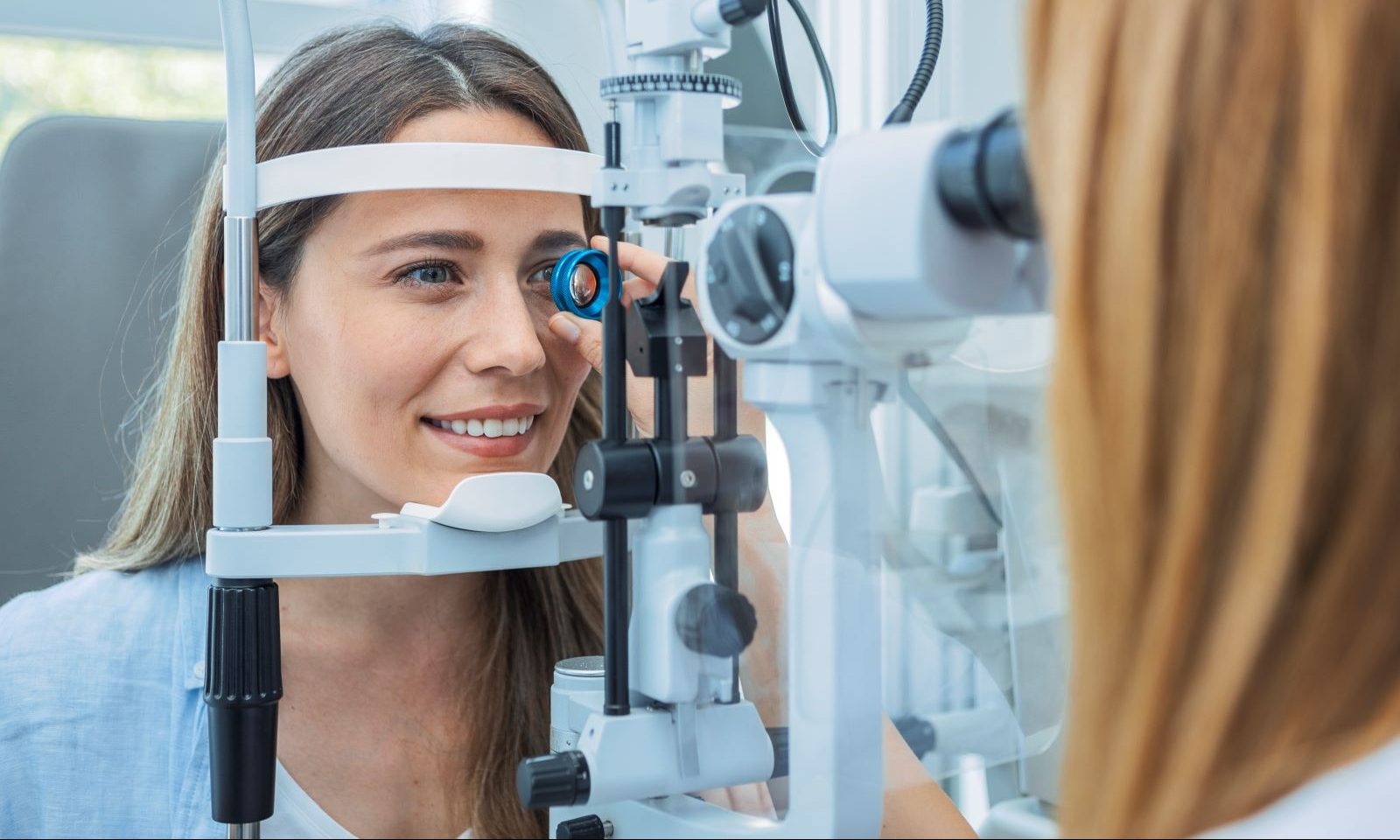
Glaucoma is diagnosed by combining structural evidence of optic nerve damage with functional evidence of vision loss, supported by pressure and anatomical measurements. No single test diagnoses glaucoma; the pattern across several tests matters most.
A thorough history covers family history, ancestry, steroid use, sleep apnea, blood pressure, migraines, and refractive error. The exam then assesses the optic nerve, the visual field, the eye pressure, the cornea, and the drainage angle.
TestWhat it measuresWhy it mattersTonometryIntraocular pressureIdentifies the main treatable risk factorOptic nerve exam / OCTNerve fiber layer and cuppingDetects structural damage, often before vision lossVisual field (perimetry)Functional vision lossMaps and tracks blind spotsGonioscopyDrainage angle anatomyDistinguishes open- from angle-closure glaucomaPachymetryCorneal thicknessAdjusts pressure interpretation and risk
Optical coherence tomography (OCT) has transformed early diagnosis by measuring the retinal nerve fiber layer and ganglion cell layer with micron precision, often catching damage before the visual field shows it. Repeat testing over time is essential because a single normal field does not rule out early disease, and progression is the key thing clinicians track.
Clinical Pearl: Pressure measured at one office visit is a snapshot. Diurnal swings and nighttime dips can be missed, which is one reason damage occasionally outpaces what a single IOP reading would predict.
The differential diagnosis includes non-glaucomatous optic neuropathies, congenital nerve anomalies, and compressive lesions, which is why imaging and a careful exam matter before locking in the diagnosis.
The proven treatment for glaucoma is lowering intraocular pressure, achieved through medications, laser, or surgery. Every major randomized trial shows that lowering IOP slows progression, and this remains the foundation of care regardless of disease type, including normal-tension glaucoma.
Topical medications are usually first-line. Prostaglandin analogues (like latanoprost) improve fluid outflow and are the most commonly used. Other classes include beta-blockers, alpha agonists, carbonic anhydrase inhibitors, and rho-kinase inhibitors. They are effective but depend on daily adherence, which is a common challenge.
Selective laser trabeculoplasty (SLT) improves drainage through the trabecular meshwork. The 2019 LiGHT trial in The Lancet found SLT was a safe, effective first-line option that controlled pressure without drops in many patients. Laser peripheral iridotomy is used for angle-closure to relieve and prevent pressure spikes.
Surgical options range from trabeculectomy and tube shunts to newer minimally invasive glaucoma surgeries (MIGS). Surgery is typically reserved for cases not controlled by drops or laser, or where rapid pressure reduction is needed.
TreatmentAdvantagesLimitationsEye dropsNon-invasive, effective, adjustableDaily adherence, side effectsSLT laserDrop-free option, repeatable, strong trial evidenceEffect may fade over yearsMIGSLower risk than traditional surgeryMore modest pressure loweringTrabeculectomy / tubesPowerful pressure reductionHigher surgical risk, longer recovery
Evidence Snapshot: The Ocular Hypertension Treatment Study showed treating elevated pressure roughly halved the rate of converting from ocular hypertension to glaucoma, confirming pressure reduction's preventive value.
Monitoring is lifelong. Even well-controlled patients need regular nerve imaging and visual fields, because glaucoma can progress silently. Explore details on our glaucoma treatment options page.
Glaucoma can progress despite well-controlled pressure because IOP is only one driver of a multifactorial disease. When pressure is treated to target and vision still declines, the non-pressure mechanisms, such as poor blood flow, oxidative stress, mitochondrial failure, and neuroinflammation, are likely contributing.
The Collaborative Normal-Tension Glaucoma Study is the clearest illustration. Lowering pressure by about 30% slowed progression, proving pressure matters even at "normal" levels. But a meaningful share of patients still worsened, showing that pressure control alone isn't always enough.
Several factors explain continued progression:
Key Point: Continued progression on good pressure control is not a treatment failure by the patient. It reflects the biology of a disease with several drivers, and it's the main reason researchers are pursuing nerve-directed therapies.
Emerging therapies aim to protect or regenerate retinal ganglion cells rather than only lower pressure. These approaches are promising but mostly investigational, and none has replaced pressure-lowering as proven care. Honest labeling of evidence levels matters here.
ApproachGoalEvidence levelNeuroprotection (e.g., neurotrophic factors)Keep stressed neurons alivePreclinical to early clinicalGene therapyBoost survival signals or correct defectsPreclinical / early trialsStem cell therapyReplace lost cells or support survivalMostly preclinicalPhotobiomodulation (red/near-infrared light)Improve mitochondrial energyEmerging, small studiesOptic nerve regenerationRegrow severed axonsLaboratory stageNutraceuticals (e.g., nicotinamide)Support mitochondrial metabolismEmerging, early human data
One of the more interesting signals comes from nicotinamide (a form of vitamin B3), which supports mitochondrial energy production. A 2020 crossover study by Hui and colleagues in Clinical & Experimental Ophthalmology reported short-term improvement in retinal ganglion cell function, but this is early data, not proof of long-term protection.
Optic nerve regeneration research in animals has shown that some axons can regrow when specific molecular brakes are released, a remarkable finding that has not yet translated to humans. Gene therapy and stem cell work is genuinely exciting but still years from routine use.
Research Update: Treat news about glaucoma "cures" and regeneration with cautious optimism. The science is real and advancing, but as of now, no neuroprotective or regenerative therapy has the randomized-trial evidence that pressure-lowering has.
An integrative perspective focuses on the systemic and lifestyle factors that influence the same mechanisms involved in glaucoma, such as blood flow, oxidative stress, and inflammation. These approaches support overall eye and vascular health but should complement, never replace, proven pressure-lowering treatment.
Regular moderate aerobic exercise can modestly lower IOP and improve vascular health. The benefit is real but small, and it does not substitute for medical treatment. Some heavy weightlifting and certain inverted yoga positions can transiently raise IOP, so technique matters.
Diets rich in leafy greens, which are high in nitrates that support blood flow, have been associated with lower glaucoma risk in observational studies, including work from the Nurses' Health Study. These are correlations, not proof, but the underlying mechanisms are biologically plausible.
Sleep apnea is a recognized risk factor, and treating it improves nighttime oxygenation and may reduce nerve stress. Chronic stress affects autonomic balance and blood pressure regulation, both relevant to optic nerve perfusion.
Clinical Pearl: Avoid sleeping face-down or in positions that raise eye pressure, and discuss nighttime blood pressure with your doctor if you have normal-tension glaucoma. Small systemic factors can matter for a fragile nerve.
Lifestyle factorPlausible mechanismEvidenceAerobic exerciseLowers IOP, improves perfusionModerate (observational + small trials)Leafy green vegetablesDietary nitrates support blood flowObservationalTreating sleep apneaImproves nighttime oxygenationModerateCaffeine in excessMay transiently raise IOPMixed / modest
Netra Restoration Therapy is an integrative approach designed to support the non-pressure mechanisms involved in optic nerve health, and it is intended to complement, not replace, standard glaucoma treatment. Its proposed targets line up with the disease mechanisms described earlier in this article, and the research base is still evolving.
The proposed mechanisms include improving ocular blood flow, reducing oxidative stress, supporting mitochondrial and neurotrophic function, regulating inflammatory signaling, and promoting autonomic balance. Each of these is a legitimate biological target in glaucoma, since vascular dysregulation, oxidative damage, and mitochondrial failure all contribute to retinal ganglion cell loss.
Key Point: Any integrative therapy for glaucoma, including Netra Restoration Therapy, should be viewed as supportive care. It does not lower intraocular pressure the way drops, laser, or surgery do, and it is not a substitute for the treatment proven to slow progression.
What the science honestly supports is this: the mechanisms targeted by integrative approaches are real contributors to glaucoma, and supporting blood flow, antioxidant capacity, and mitochondrial health is biologically reasonable. What the science does not yet support is any promise of restored vision or guaranteed slowing of disease from these approaches alone. Research continues, and patients should keep their pressure-lowering treatment and regular monitoring regardless. Discuss any integrative plan with your ophthalmologist so it fits alongside proven care. See our integrative eye care page for more.
The clinical evidence strongly supports pressure-lowering and is still developing for nerve-directed and integrative approaches. The table below summarizes landmark studies with one honest line each.
StudyTypeKey findingEarly Manifest Glaucoma Trial (2002)RCTLowering IOP significantly slowed progression of open-angle glaucomaOcular Hypertension Treatment Study (2002)RCTTreating elevated pressure roughly halved conversion to glaucomaCollaborative Normal-Tension Glaucoma Study (1998)RCT~30% IOP reduction slowed progression even at normal pressuresAdvanced Glaucoma Intervention Study (2000)Long-term cohortLower, stable IOP linked to less visual field lossLiGHT trial (2019)RCTSLT laser was an effective, safe first-line alternative to dropsHui et al. nicotinamide (2020)Crossover trialShort-term improvement in RGC function; not long-term proof
Evidence Snapshot: Across decades of randomized trials, the consistent winner is IOP reduction. Every promising nerve-protection idea must eventually meet this same standard of evidence before it changes practice.
MythFactNormal eye pressure means you can't have glaucomaNormal-tension glaucoma damages the nerve at statistically normal pressures; up to a third of cases occur this wayHigh eye pressure always means glaucomaMany people with high pressure (ocular hypertension) never develop nerve damageGlaucoma has obvious early symptomsMost open-angle glaucoma is silent until significant vision is lostLost vision can be restored with treatmentVision already lost is generally permanent; treatment preserves what remainsOnly older people get glaucomaIt can affect young adults, infants, and people of any age, especially with risk factorsIf treatment works, you can stop your dropsGlaucoma is lifelong; stopping treatment allows progression to resumeReading or using screens causes glaucomaThere's no evidence that normal visual tasks cause glaucoma
Yes. Normal-tension glaucoma damages the optic nerve at pressures within the statistically normal range, below 21 mmHg. It accounts for a substantial share of glaucoma, especially in some East Asian populations. Poor blood flow to the nerve and vascular dysregulation are thought to play a larger role in these cases, which is why your doctor may ask about migraines, cold extremities, and nighttime blood pressure.
In some ways, yes. Glaucoma is a neurodegenerative disease, and research shows it shares features with Alzheimer's, including abnormal handling of amyloid and tau proteins and degeneration that spreads along the visual pathway into the brain. They are different diseases, but studying them together has helped reframe glaucoma as more than a pressure problem and has guided new research into protecting neurons.
No, glaucoma cannot currently be cured, and vision already lost cannot be restored. However, it can be effectively managed. Lowering eye pressure with drops, laser, or surgery slows or halts progression for most people, preserving the vision that remains. This is why early detection and consistent treatment are so important; the goal is protection, not reversal.
Most people who are diagnosed early and treated consistently keep useful vision for life. Blindness is more likely when glaucoma is caught late, left untreated, or progresses despite treatment. Regular monitoring, taking your drops as prescribed, and attending follow-up appointments dramatically reduce the risk of severe vision loss.
Adults over 40 should have a comprehensive eye exam every 1–2 years, and people with risk factors, such as family history, African ancestry, or diabetes, may need annual checks starting earlier. If you already have glaucoma, your ophthalmologist will set a schedule, often every few months, based on how stable your disease is.
Not always. Lowering pressure slows progression for most patients and is the only proven treatment, but some people continue to lose vision despite well-controlled pressure. This reflects the disease's other drivers, like poor blood flow and oxidative stress. It's a reason to keep monitoring closely and to discuss additional risk factors with your doctor.
Some evidence suggests diets rich in leafy green vegetables are associated with lower glaucoma risk, likely through better blood flow. Early research on nicotinamide (vitamin B3) shows possible benefits for nerve cell function. These are supportive measures, not substitutes for treatment. Talk to your doctor before starting supplements, and never stop prescribed therapy.
Genetics play a strong role. Having a first-degree relative with glaucoma increases your risk severalfold, and specific gene variants are linked to certain forms. If glaucoma runs in your family, tell your eye doctor and start screening earlier. Genetics aren't destiny, but they make regular monitoring especially important.
Moderate aerobic exercise can modestly lower eye pressure and improve blood flow, which supports nerve health. The benefit is real but small and doesn't replace treatment. Be cautious with heavy weightlifting and head-down yoga positions, which can temporarily raise eye pressure. Ask your doctor what activities are safe for your specific situation.
A glaucoma evaluation usually includes measuring eye pressure (tonometry), examining the optic nerve, scanning the nerve fiber layer with OCT imaging, testing your peripheral vision (visual field), and checking your drainage angle. None of these is painful. The visual field test takes the most attention because you respond to flashes of light to map any blind spots.
Yes, glaucoma drops are generally safe for long-term use, and they're the most common treatment. Some cause minor side effects like redness, eyelash changes, or stinging, and certain types have systemic effects, so your doctor matches the medication to your health. Consistent daily use is what makes them effective at protecting your vision.
Yes. While risk rises with age, glaucoma affects young adults, children, and even infants. Congenital glaucoma is present at birth, juvenile forms appear in childhood or young adulthood, and secondary glaucoma can follow injury, steroid use, or other eye conditions at any age. Family history raises the risk of earlier onset.
Because most glaucoma causes no pain and no early symptoms, slowly stealing peripheral vision before you notice. The brain compensates and the better eye covers gaps, so people often don't realize anything is wrong until significant, permanent damage has occurred. This is why routine eye exams are the only reliable way to catch it early.
Blood pressure has a complex relationship with glaucoma. Very high blood pressure can stress eye vessels, but low blood pressure, especially nighttime dips, may be worse because it reduces blood flow to an already vulnerable nerve. This is particularly relevant in normal-tension glaucoma. Discuss your blood pressure pattern with your doctor if you have glaucoma.
Chronic stress can affect blood pressure and the autonomic nervous system, both of which influence optic nerve blood flow. There's no strong evidence that stress directly causes glaucoma, but managing it supports overall vascular health. Stress can also raise eye pressure transiently in some people. Stress management is a reasonable part of overall care, not a treatment by itself.
Open-angle glaucoma is the common, slow, painless form where the drainage angle stays open but fluid drains too slowly. Angle-closure glaucoma happens when the drainage angle becomes blocked, which can cause sudden, painful pressure spikes and is a medical emergency. Both damage the optic nerve, but they require different treatments and urgency.
Glaucoma is a chronic disease, so surgery controls it rather than curing it. Pressure can rise again over time as surgical drainage pathways scar or change, and some patients eventually need additional treatment. This is why lifelong monitoring continues even after successful surgery. Your ophthalmologist will track your pressure and nerve health long-term.
No, vision lost to glaucoma is permanent because the optic nerve cells that die do not regenerate in humans. Treatment aims to preserve remaining vision, not restore lost vision. This permanence is exactly why early diagnosis matters so much. Regenerative research is ongoing, but no therapy currently restores glaucoma-related vision loss.
Most open-angle glaucoma progresses slowly over years to decades, though the rate varies widely between people. Some have stable disease for life with treatment, while others progress quickly despite controlled pressure. Angle-closure can cause rapid damage during an acute attack. Regular visual field and OCT tests track your individual rate so treatment can be adjusted.
Usually yes, because glaucoma is a lifelong disease. Stopping treatment allows eye pressure to rise and progression to resume, even if you feel fine. Some patients who have laser or surgery may reduce or stop drops, but only under their doctor's guidance. Never stop your drops without consulting your ophthalmologist.
Yes, glaucoma usually affects both eyes, though often unevenly, with one eye more advanced than the other. Because the better eye compensates, people frequently don't notice damage in the worse eye until it's significant. This is why eye doctors examine and monitor both eyes separately at every visit.
Laser procedures like SLT are generally well tolerated and not very painful. The eye is numbed with drops first, and most people feel only minor sensations during the brief procedure. There may be mild irritation afterward. Laser is a common, low-risk option, and the LiGHT trial showed it works well as a first-line treatment for many patients.
Yes, certain forms of glaucoma have strong genetic links, and congenital and juvenile glaucoma can run in families. If you or a close relative has early-onset glaucoma, children should be screened. Genetic testing is available for some specific forms. Early detection in children is critical because untreated glaucoma can seriously affect developing vision.
Smoking likely increases glaucoma risk by worsening blood flow, oxidative stress, and vascular health, all relevant to optic nerve damage, though the evidence is moderate rather than definitive. Smoking also raises the risk of other eye diseases like macular degeneration and cataract. Quitting benefits your overall eye and vascular health.
Glaucoma is a multifactorial neurodegenerative disease that destroys retinal ganglion cells and the optic nerve through several overlapping mechanisms: mechanical pressure injury, poor blood flow, oxidative stress, mitochondrial dysfunction, glutamate excitotoxicity, and neuroinflammation. Elevated intraocular pressure is the strongest treatable risk factor, and lowering it is the only intervention proven by large randomized trials to slow progression. But the existence of normal-tension glaucoma and the continued progression seen in some treated patients show that pressure is one driver, not the whole disease.
This neurodegenerative framing connects glaucoma to brain diseases like Alzheimer's and opens research into neuroprotection, gene therapy, stem cells, and metabolic support, all of which target the nerve directly but remain investigational. Integrative and lifestyle measures can support the same biological pathways and complement, but never replace, proven pressure-lowering care. Because vision lost to glaucoma is permanent, early detection through regular eye exams and consistent lifelong treatment are the most powerful tools available today.
Medical Disclaimer: This article is for educational purposes only and does not constitute medical advice. It is not a substitute for diagnosis or treatment by a qualified ophthalmologist. If you have symptoms of glaucoma or concerns about your eye health, seek prompt professional care. Sudden severe eye pain, vision loss, or halos around lights with nausea require emergency attention.