Bring your records
Share your eye doctor's notes, imaging (OCT, photos or fields), current drops or medications, and anything else that tells your story.
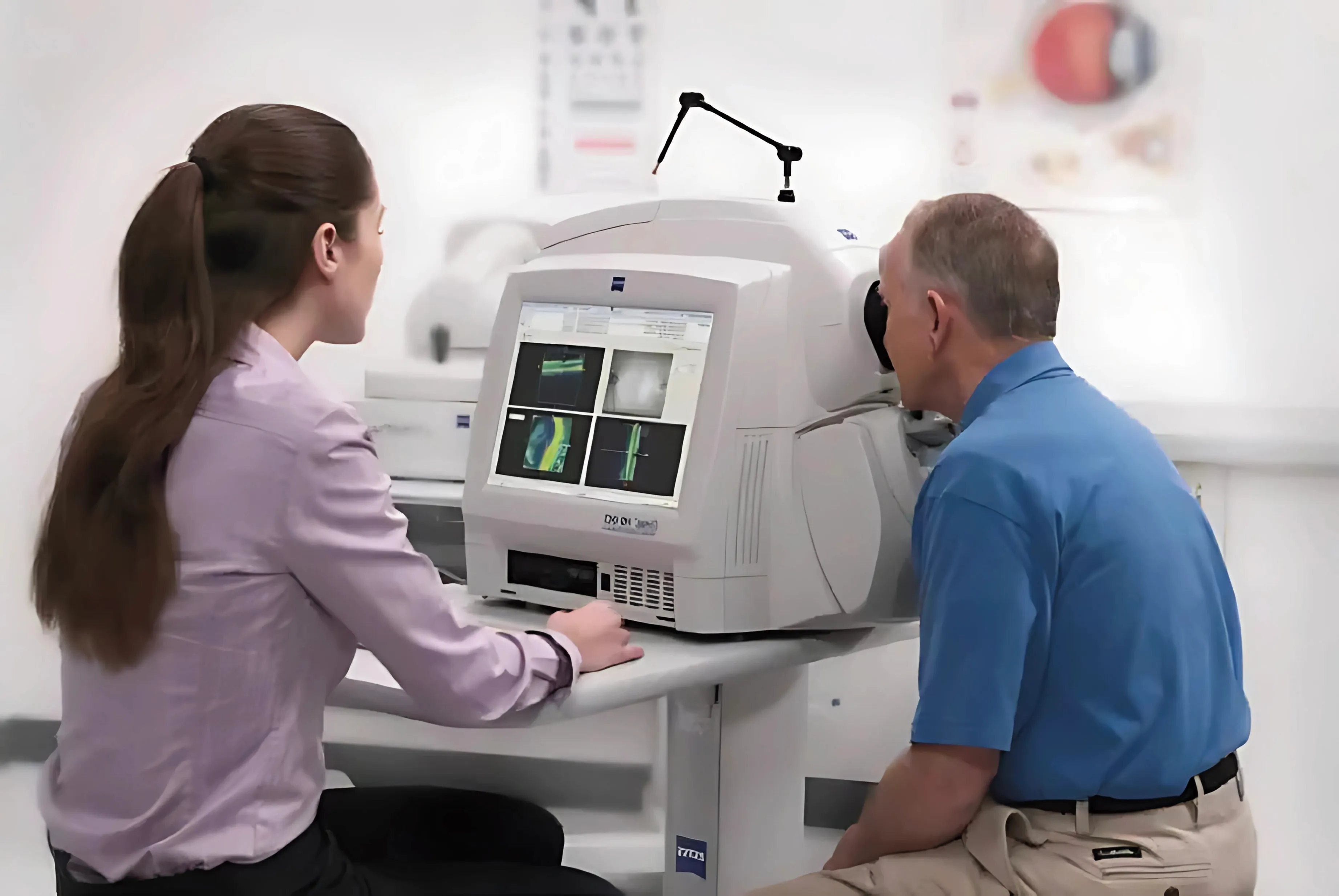
Glaucoma
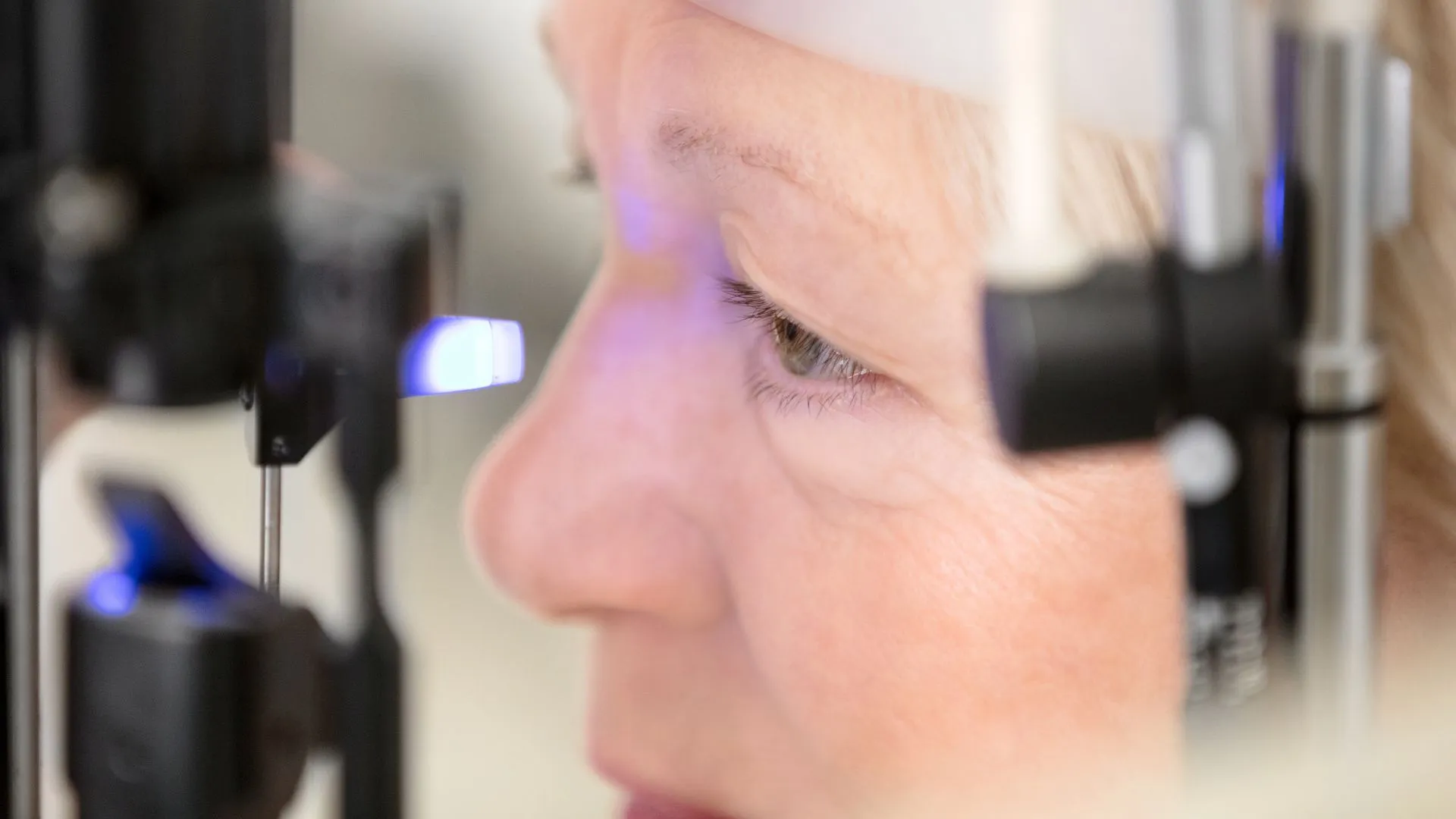
Glaucoma - Optic Nerve Disease
Normal tension glaucoma · Primary open angle glaucoma
Drops lower the pressure. But glaucoma is an optic nerve disease - and nerves also depend on blood flow, sleep and overall health. NRT offers adjunctive support alongside your ophthalmologist's treatment, never instead of it.
Glaucoma damages the optic nerve, and lowering eye pressure with drops, laser or surgery is the proven treatment - staying exactly on your prescribed plan is non-negotiable. Yet some people continue to lose visual field despite good pressures, and in normal tension glaucoma the pressure was never high to begin with. That is where NRT focuses: optic nerve blood flow, nocturnal blood pressure patterns, sleep apnea, oxidative stress and overall metabolic health, addressed systematically and coordinated with your ophthalmologist's monitoring.
Patient stories
Patients describe their own experience of Netra Restoration Therapy in their own words. Swipe through the stories below. Individual results vary, and these accounts are not claimed to represent typical results.
Swipe or scroll sideways to see more stories. Each video opens on YouTube.
Lowering oxidative stress on retinal ganglion cells with antioxidants, sleep, and metabolic balance.
Supporting retinal ganglion cell survival through vascular, antioxidant, and mitochondrial pathways.
Supporting optic nerve head perfusion - including overnight blood-pressure and sleep review.
Reviewing systemic contributors - sleep apnea, blood-pressure dips, vasospasm - with your physicians.
Optimizing nutrients, O₂ delivery, microcirculation, and reducing metabolic strain.
Modulating inflammation via herbal medicine, gut–retina health, sleep, and stress balance.
These pathways describe an integrative support framework; they do not lower eye pressure, do not replace drops, laser or surgery, and never change your glaucoma treatment - that remains your ophthalmologist's domain.
PersonalizedBuilt around your symptom pattern
Non-surgicalIntegrative, whole-person support
ComplementaryDesigned to work alongside eye care
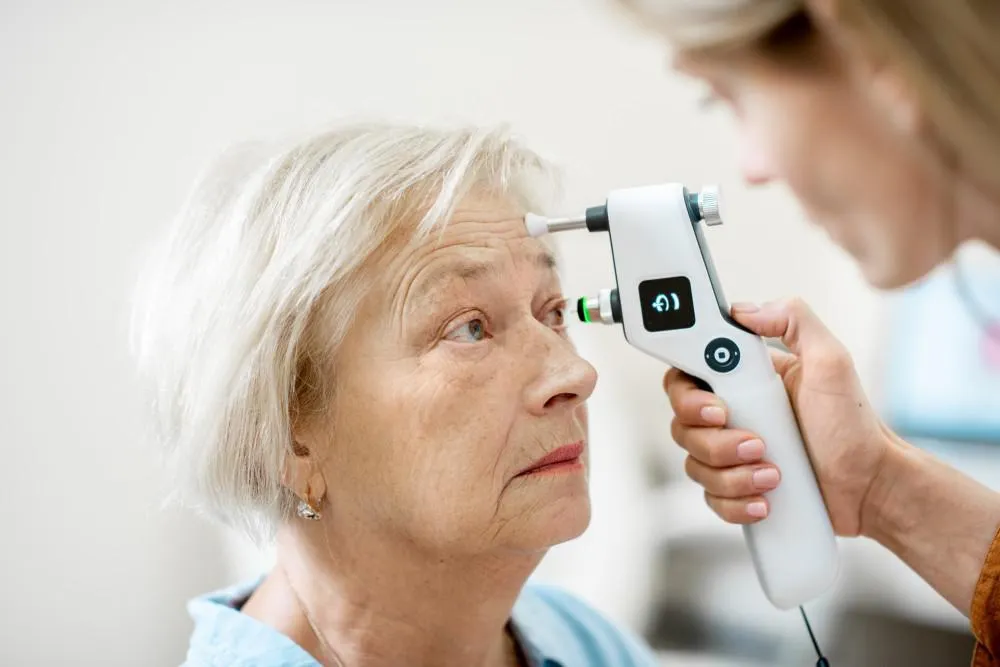
Glaucoma is a disease of the optic nerve. In primary open angle glaucoma, elevated eye pressure slowly damages nerve fibers; in normal tension glaucoma, damage progresses despite pressures in the normal range - pointing to blood flow and nerve vulnerability as part of the story. Both are treated by lowering pressure; both can quietly progress.
Common experiences include:
Special Financing with CareCredit
Netra proudly accepts the CareCredit credit card to help you finance your healthcare needs. Now you can pay with CareCredit and choose from special financing options that may not be available with other credit cards.

Deferred Interest or NO Interest!
*Subject to credit approval.
A broader perspective
Specialist care remains essential: your ophthalmologist confirms the diagnosis, monitors the condition over time and delivers the treatments with proven benefit. Nothing on this page replaces that.
NRT adds an individualized, supportive layer focused on daily function, safe nutrition, lifestyle factors and whole-person wellbeing - coordinated with, never instead of, your specialist's plan.
Request ConsultationConfirms the diagnosis, lowers eye pressure with drops, laser or surgery, and tracks the nerve and visual field over time - the proven foundation.
Complements existing care with function-first support - nutrition safety, adaptation strategies and whole-person health - coordinated with your eye care team.
Different roles. One coordinated goal.

Is this relevant to you?
Your next step
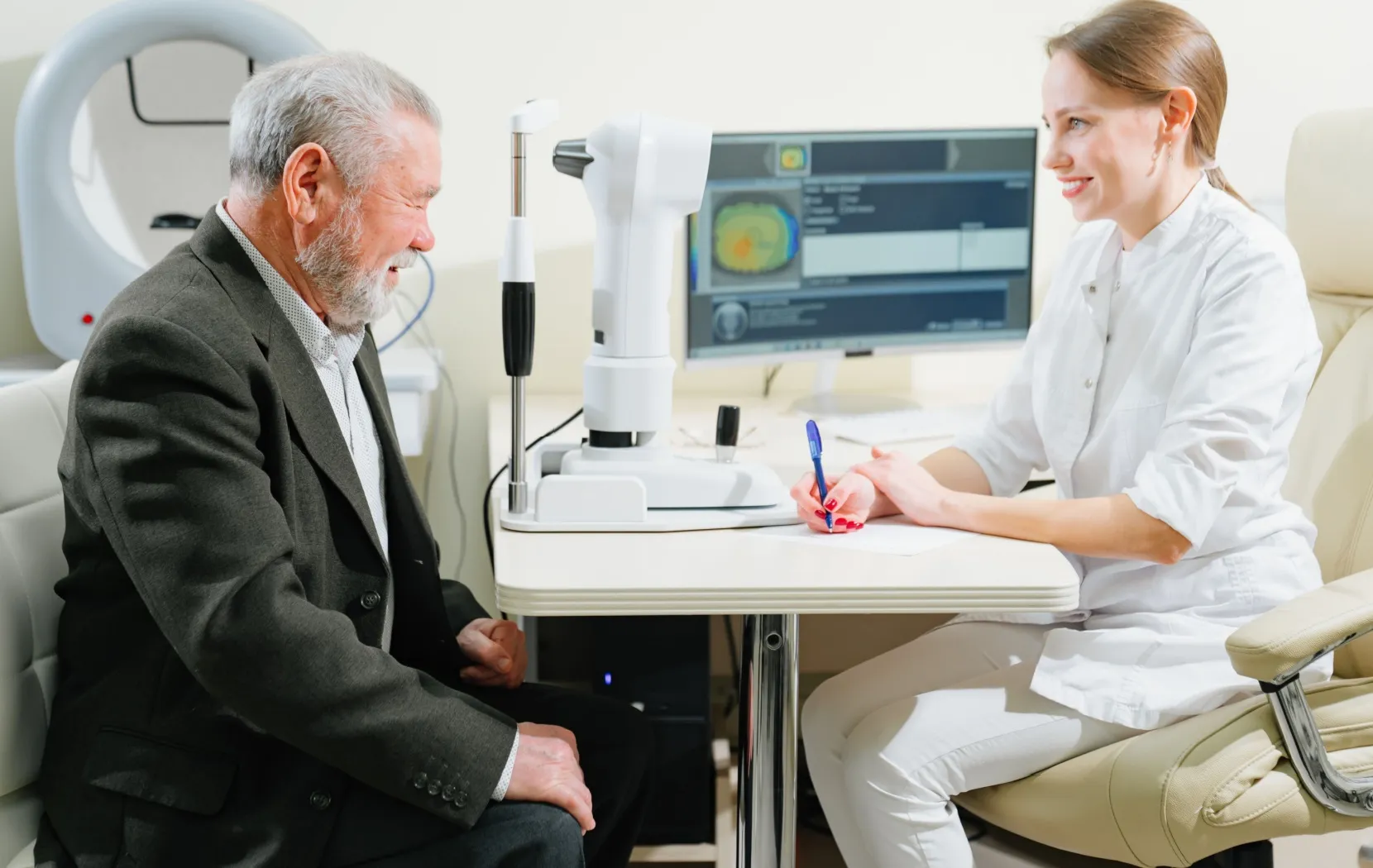
Share your eye doctor's notes, imaging (OCT, photos or fields), current drops or medications, and anything else that tells your story.
Tell us what matters most: reading, school, work, faces, glare, mobility, device use or understanding research options.
If appropriate, we outline supportive priorities, referrals and function-first measures—then reassess as findings and goals evolve.
Drops guard the pressure. The nerve still deserves the rest of its support system.
Clinically grounded. Humanly delivered.
Netra Eye Institute combines the perspective of Traditional Chinese Medicine, Ayurveda and modern ocular physiology within an individualized, adjunctive care framework. We consider the whole person—genetics, nutrition, daily function and personal goals—alongside the retinal diagnosis, in coordination with your specialist team.
From the research
A 2026 study in the British Journal of Ophthalmology adds to the evidence that blood-vessel health plays a part in open-angle glaucoma. Our clinical team reviews what it found and what it means.
Questions, answered
Netra Eye Institute is in South Plainfield, New Jersey. There are currently no branch offices.
NRT is a holistic treatment and is not covered by health insurance. It is offered as a self-pay treatment.
See Patient Financing and Financial Assistance for current options and eligibility information.
No - never. Pressure-lowering treatment is the only intervention proven to slow glaucoma, and stopping it risks permanent vision loss. NRT is strictly additional support; your ophthalmologist alone manages your glaucoma treatment.
A form of glaucoma in which the optic nerve deteriorates despite statistically normal eye pressure. Vascular factors - low nocturnal blood pressure, vasospasm, sleep apnea - are thought to contribute, which is why a wider systemic review makes particular sense here.
Specialist care is essential for diagnosis, retinal monitoring, genetic counseling and access to legitimate clinical trials. NRT is an adjunctive program that considers nutrition safety, daily visual function and whole-person factors alongside that care—it does not replace it.
No. Vision lost to glaucoma cannot currently be restored by any treatment, and NRT is not a cure. It is adjunctive support around your medical care, with any benefit assessed against your specialist's field and OCT monitoring.
Sleep apnea and exaggerated overnight blood-pressure dips are both associated with glaucoma progression - the nerve may be underperfused precisely when you are asleep. Screening and addressing these with your physicians is a concrete, sensible step.
Yes. A consultation can help determine whether an in-person assessment at Netra Eye Institute in South Plainfield, New Jersey, may be appropriate. The care team will explain the next step based on your history and location.
Ready when you are
Request a consultation to review your records and learn whether Netra Restoration Therapy may be an appropriate complement to your specialist retinal care.
Request ConsultationPrefer to call? (732) 503-9999