Retinal cell environment
Supporting the biological terrain around stressed photoreceptors and retinal pigment epithelium.
Stargardt Disease - Inherited Macular Condition
Stargardt disease · ABCA4-associated retinopathy
Blurry reading, faded faces and growing glare can reshape everyday life. Netra Restoration Therapy offers personalized, complementary support alongside the specialist care that monitors your retina.
Stargardt disease arises from ABCA4-related changes in how the retina clears vitamin A byproducts, leading to lipofuscin buildup and gradual macular damage. Netra Restoration Therapy (NRT) is an individualized adjunctive program targeting modifiable contributors—nutrition safety, oxidative and light stress, circulation, sleep and functional-vision strategies—to complement specialist retinal care. NRT does not stop ABCA4-related degeneration or restore lost photoreceptors.
PersonalizedBuilt around your symptom pattern
Non-surgicalIntegrative, whole-person support
ComplementaryDesigned to work alongside eye care

Stargardt disease is an inherited retinal condition that affects the macula—the center of the retina used for reading, recognizing faces and fine detail. Central vision declines gradually, while peripheral vision is often preserved.
Common experiences include:
A broader perspective
Specialist care remains essential: retina and inherited-retinal-disease physicians confirm the diagnosis, monitor change with OCT and autofluorescence imaging, guide genetic testing and counseling, and connect patients with legitimate clinical trials.
NRT does not compete with that care. It adds an individualized, supportive layer focused on daily function, safe nutrition, adaptation and whole-person well-being while specialist monitoring continues.
Request ConsultationConfirms the diagnosis, monitors the retina over time, guides genetic counseling and evaluates eligibility for research and clinical trials.
Complements existing care with function-first support—nutrition safety, adaptation strategies and whole-person factors that shape daily life with changing vision.
Different roles. One coordinated goal.
How NRT approaches the problem
Your plan begins with your history, imaging and genetics—not a generic protocol. NRT considers six domains that may influence retinal health and daily visual function.
Supporting the biological terrain around stressed photoreceptors and retinal pigment epithelium.
Considering photo-oxidative load on a macula already managing abnormal lipofuscin accumulation.
Reviewing diet and supplements with safety first—including avoiding high-dose vitamin A in Stargardt disease.
Supporting healthy ocular blood flow and the systemic factors that influence retinal tissue resilience.
Coordinating low-vision rehabilitation, lighting, contrast and eccentric-viewing approaches that protect independence.
Accounting for sleep, stress and emotional well-being while adapting to changes in central vision.
These pathways are considered as part of an integrative support framework; they do not stop ABCA4-related degeneration, restore lost photoreceptors or guarantee a treatment outcome.

Is this relevant to you?
Your next step
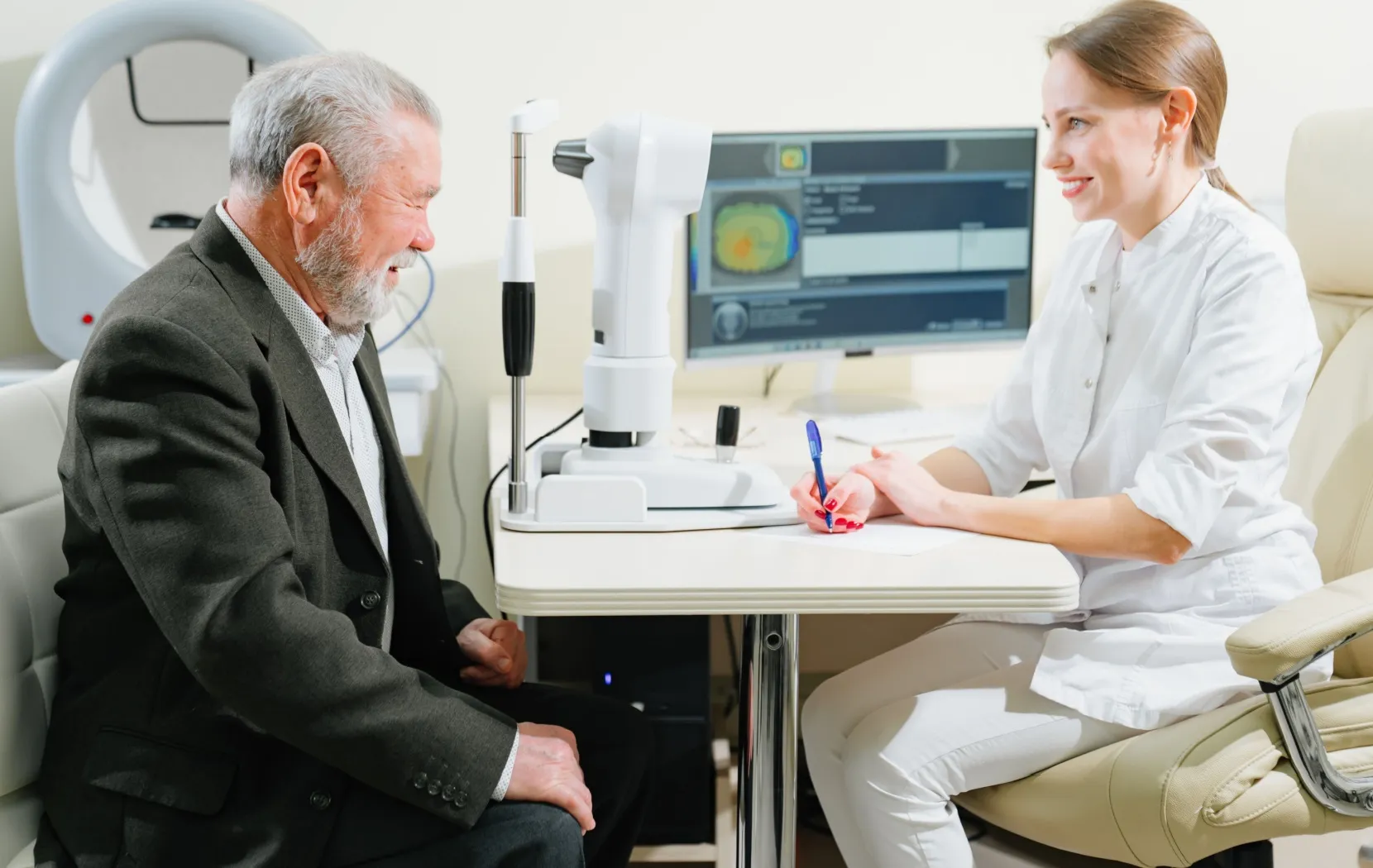
Share retina notes, OCT and autofluorescence images, genetic reports, and any low-vision prescriptions or devices you use.
Tell us what matters most: reading, school, work, faces, glare, mobility, device use or understanding research options.
If appropriate, we outline supportive priorities, referrals and function-first measures—then reassess as findings and goals evolve.
Most people with Stargardt disease keep their side vision. What they deserve is a plan for the center.
Clinically grounded. Humanly delivered.
Netra Eye Institute combines the perspective of Traditional Chinese Medicine, Ayurveda and modern ocular physiology within an individualized, adjunctive care framework. We consider the whole person—genetics, nutrition, daily function and personal goals—alongside the retinal diagnosis, in coordination with your specialist team.
Questions, answered
Netra Eye Institute is in South Plainfield, New Jersey. There are currently no branch offices.
NRT is a holistic treatment and is not covered by health insurance. It is offered as a self-pay treatment.
See Patient Financing and Financial Assistance for current options and eligibility information.
Most people retain peripheral vision, but central vision can become substantially impaired. The course varies, and some people develop broader retinal involvement. Individual prognosis requires examination, imaging, functional testing and genetic context.
Glasses can correct refractive error but cannot replace photoreceptors lost to retinal degeneration. Cataract or other treatable eye problems should still be addressed when present. No surgery currently reverses Stargardt disease.
Specialist care is essential for diagnosis, retinal monitoring, genetic counseling and access to legitimate clinical trials. NRT is an adjunctive program that considers nutrition safety, daily visual function and whole-person factors alongside that care—it does not replace it.
No. NRT should not be described as a cure or a replacement for retina care, genetic counseling, low-vision rehabilitation or evidence-based treatment. Any supportive benefit should be assessed with predefined functional goals and standard retinal monitoring.
Avoid self-prescribed high-dose vitamin A supplements unless a qualified clinician has a separate, compelling reason and coordinates care. Do not eliminate normal foods or make restrictive dietary changes without medical and nutritional advice.
Yes. A consultation can help determine whether an in-person assessment at Netra Eye Institute in South Plainfield, New Jersey, may be appropriate. The care team will explain the next step based on your history and location.
Ready when you are
Request a consultation to review your records and learn whether Netra Restoration Therapy may be an appropriate complement to your specialist retinal care.
Request ConsultationPrefer to call? (732) 503-9999