Bring your records
Share your eye doctor's notes, imaging (OCT, photos or fields), current drops or medications, and anything else that tells your story.
NAION - Ischemic Optic Neuropathy
NAION · Ischemic optic neuropathy · Optic nerve atrophy
Sudden, painless vision loss from NAION - and then the hardest sentence in eye care: there is no treatment. Netra Restoration Therapy offers structured, adjunctive support alongside your neuro-ophthalmologist's care.
Non-arteritic anterior ischemic optic neuropathy (NAION) happens when blood flow to the front of the optic nerve is reduced, damaging nerve fibers - usually suddenly and painlessly. No approved treatment currently reverses the damage, and protecting the other eye becomes the medical priority. NRT offers a structured support program in exactly this gap: vascular risk factors, sleep (including sleep apnea review), circulation, nutrition and daily function addressed together, coordinated with your neuro-ophthalmologist and primary physician.

Lowering oxidative stress on optic nerve tissue with antioxidants, sleep, and metabolic balance.
Supporting surviving nerve fibers through vascular, antioxidant, and mitochondrial pathways.
Supporting optic nerve head microcirculation and healthy blood-pressure patterns, day and night.
Reviewing systemic risk factors - sleep apnea, blood pressure dips, diabetes - with your physicians.
Optimizing nutrients, O₂ delivery, microcirculation, and reducing metabolic strain.
Modulating inflammation via herbal medicine, gut–retina health, sleep, and stress balance.
These pathways describe an integrative support framework; they do not reverse optic nerve damage or replace neuro-ophthalmic evaluation, and giant cell arteritis must always be ruled out urgently by your physicians.
PersonalizedBuilt around your symptom pattern
Non-surgicalIntegrative, whole-person support
ComplementaryDesigned to work alongside eye care
NAION - non-arteritic anterior ischemic optic neuropathy - is sometimes called a 'stroke of the optic nerve.' Reduced blood flow damages nerve fibers, causing sudden, painless loss of vision or visual field, often noticed on waking. Optic nerve atrophy describes the lasting damage that any optic nerve insult can leave behind.
Common experiences include:
A broader perspective
Specialist care remains essential: your ophthalmologist confirms the diagnosis, monitors the condition over time and delivers the treatments with proven benefit. Nothing on this page replaces that.
NRT adds an individualized, supportive layer focused on daily function, safe nutrition, lifestyle factors and whole-person wellbeing - coordinated with, never instead of, your specialist's plan.
Request ConsultationConfirms the diagnosis, urgently rules out giant cell arteritis, manages vascular risk factors, and monitors the fellow eye over time.
Complements existing care with function-first support - nutrition safety, adaptation strategies and whole-person health - coordinated with your eye care team.
Different roles. One coordinated goal.
Is this relevant to you?
Your next step
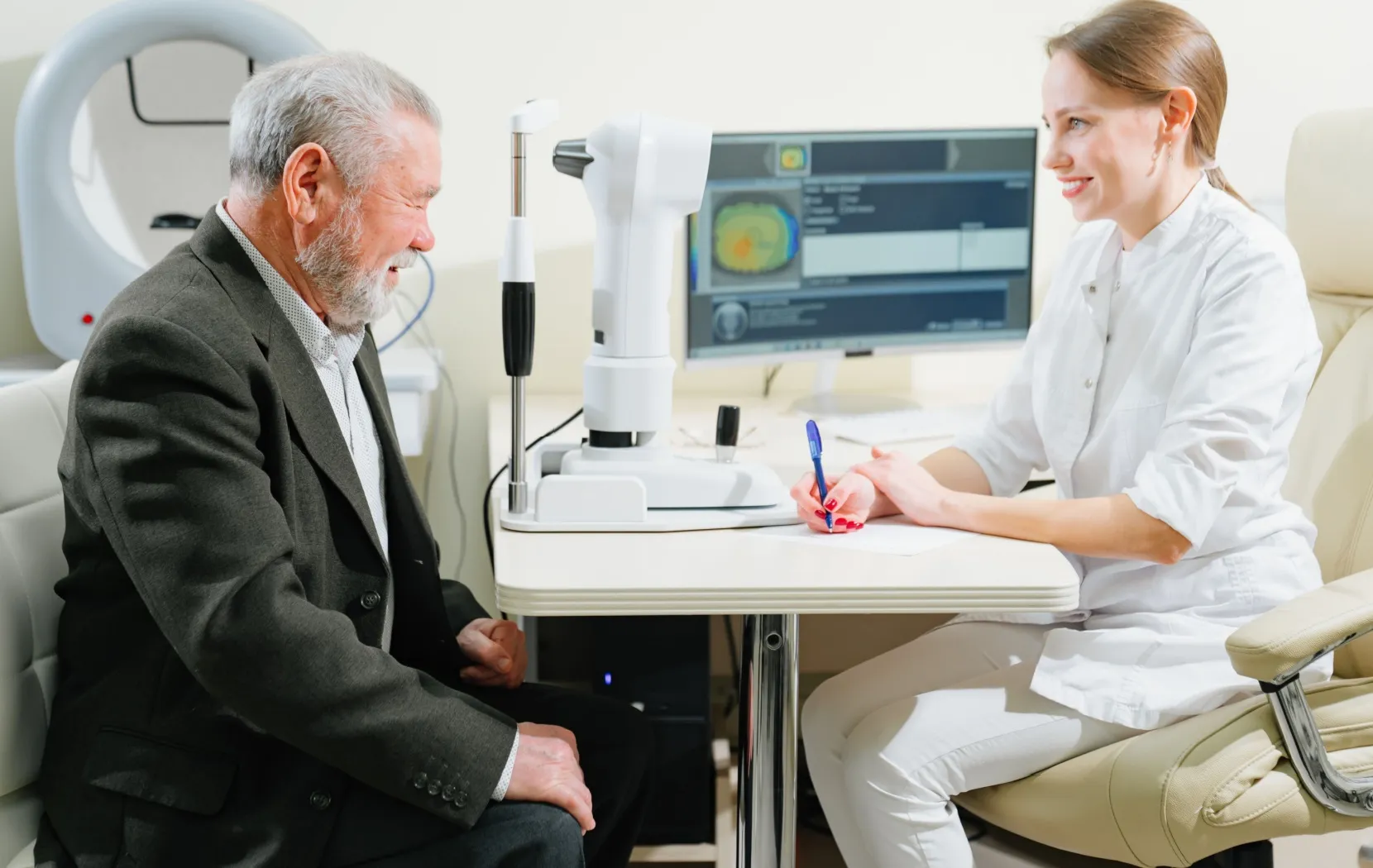
Share your eye doctor's notes, imaging (OCT, photos or fields), current drops or medications, and anything else that tells your story.
Tell us what matters most: reading, school, work, faces, glare, mobility, device use or understanding research options.
If appropriate, we outline supportive priorities, referrals and function-first measures—then reassess as findings and goals evolve.
After NAION, protecting the fellow eye is the mission. Support should report for duty.
Clinically grounded. Humanly delivered.
Netra Eye Institute combines the perspective of Traditional Chinese Medicine, Ayurveda and modern ocular physiology within an individualized, adjunctive care framework. We consider the whole person—genetics, nutrition, daily function and personal goals—alongside the retinal diagnosis, in coordination with your specialist team.
Questions, answered
Netra Eye Institute is in South Plainfield, New Jersey. There are currently no branch offices.
NRT is a holistic treatment and is not covered by health insurance. It is offered as a self-pay treatment.
See Patient Financing and Financial Assistance for current options and eligibility information.
Some people recover a degree of vision in the months after NAION, but significant recovery is not typical and no treatment is proven to restore the damaged nerve. A careful baseline, risk-factor work and fellow-eye protection are where real leverage remains.
The fellow eye carries a meaningful lifetime risk - estimates commonly run around 15% over five years - which is why vascular risk factors, sleep apnea and certain medications deserve systematic review with your physicians.
Specialist care is essential for diagnosis, retinal monitoring, genetic counseling and access to legitimate clinical trials. NRT is an adjunctive program that considers nutrition safety, daily visual function and whole-person factors alongside that care—it does not replace it.
No. NRT should not be described as a cure and cannot regrow optic nerve fibers. It is adjunctive, whole-person support coordinated with your neuro-ophthalmologist - with any benefit measured against predefined functional goals.
Giant cell arteritis must be excluded urgently in the right age group. After that: blood pressure (including overnight dipping), sleep apnea, diabetes, cholesterol, smoking and certain medications - we help organize this review with your physicians.
Yes. A consultation can help determine whether an in-person assessment at Netra Eye Institute in South Plainfield, New Jersey, may be appropriate. The care team will explain the next step based on your history and location.
Ready when you are
Request a consultation to review your records and learn whether Netra Restoration Therapy may be an appropriate complement to your specialist retinal care.
Request ConsultationPrefer to call? (732) 503-9999