Bring your records
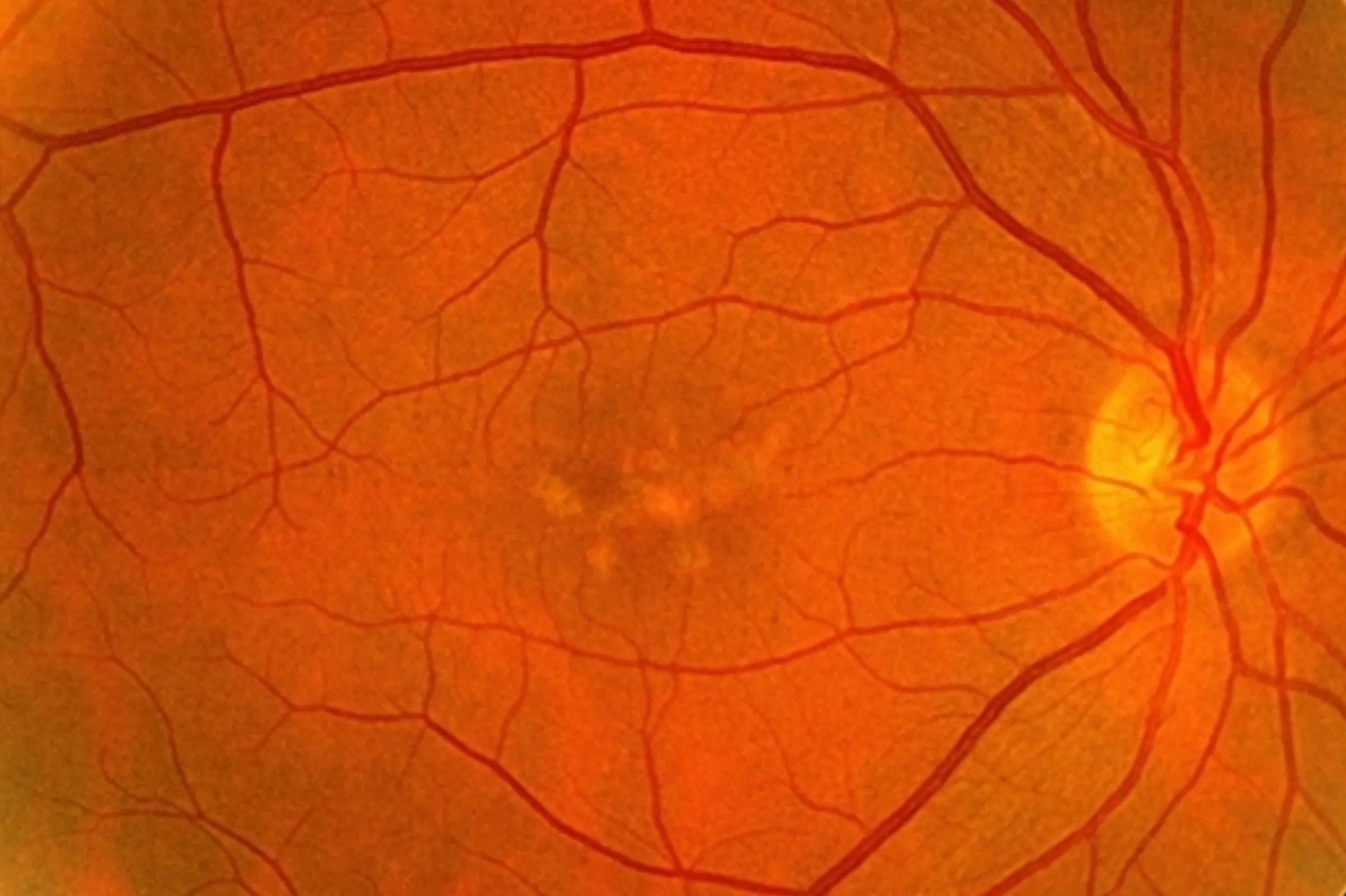
Share retina notes, OCT and autofluorescence images, genetic reports, and any low-vision prescriptions or devices you use.
Macular Dystrophy - Inherited Retinal Condition
Macular dystrophy · Best's disease · Pattern dystrophy
An inherited diagnosis carries questions for the whole family. Netra Restoration Therapy offers personalized, adjunctive support alongside your inherited-retinal-disease specialist's care.
Inherited macular dystrophies - including Best's disease and pattern dystrophy - stem from gene variants that gradually compromise the macula's photoreceptors and their supporting RPE layer. No approved treatment currently reverses them, and specialist monitoring with genetic counseling leads the medical side. NRT builds the supportive layer: oxidative load, circulation, nutrition safety, sleep and daily visual function addressed together, coordinated with your specialist - and organized so the whole family's questions get answered, not just the chart's.

Lowering oxidative burden on the macula with antioxidants, sleep, and metabolic balance.
Supporting photoreceptor survival through vascular, antioxidant, and mitochondrial pathways.
Enhancing retinal and choroidal microcirculation to meet the macula's metabolic demand.
Metabolic, vascular, oxidative, inflammatory, and neuroprotective support for RPE and photoreceptors.
Optimizing nutrients, O₂ delivery, microcirculation, and reducing metabolic strain.
Modulating inflammation via herbal medicine, gut–retina health, sleep, and stress balance.
These pathways describe an integrative support framework; they do not stop genetic degeneration, restore lost photoreceptors, or replace specialist care and genetic counseling.
PersonalizedBuilt around your symptom pattern
Non-surgicalIntegrative, whole-person support
ComplementaryDesigned to work alongside eye care
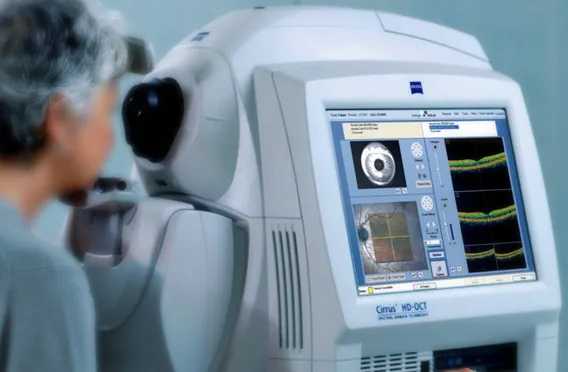
Macular dystrophies are inherited conditions in which the macula - the retina's center for reading, faces and detail - progressively deteriorates. Best's disease begins with yolk-like deposits under the macula; pattern dystrophies lay pigment in distinctive shapes. Severity and pace vary enormously, even within one family.
Common experiences include:
A broader perspective
Specialist care remains essential: retina and inherited-retinal-disease physicians confirm the diagnosis, monitor change and guide genetic counseling and research access. Nothing on this page replaces that.
NRT adds an individualized, supportive layer focused on daily function, safe nutrition, lifestyle factors and whole-person wellbeing - coordinated with, never instead of, your specialist's plan.
Request ConsultationConfirms the diagnosis with imaging and genetic testing, monitors change over time, guides family counseling and watches for treatable complications.
Complements existing care with function-first support - nutrition safety, adaptation strategies and whole-person health - coordinated with your eye care team.
Different roles. One coordinated goal.
Is this relevant to you?
Your next step
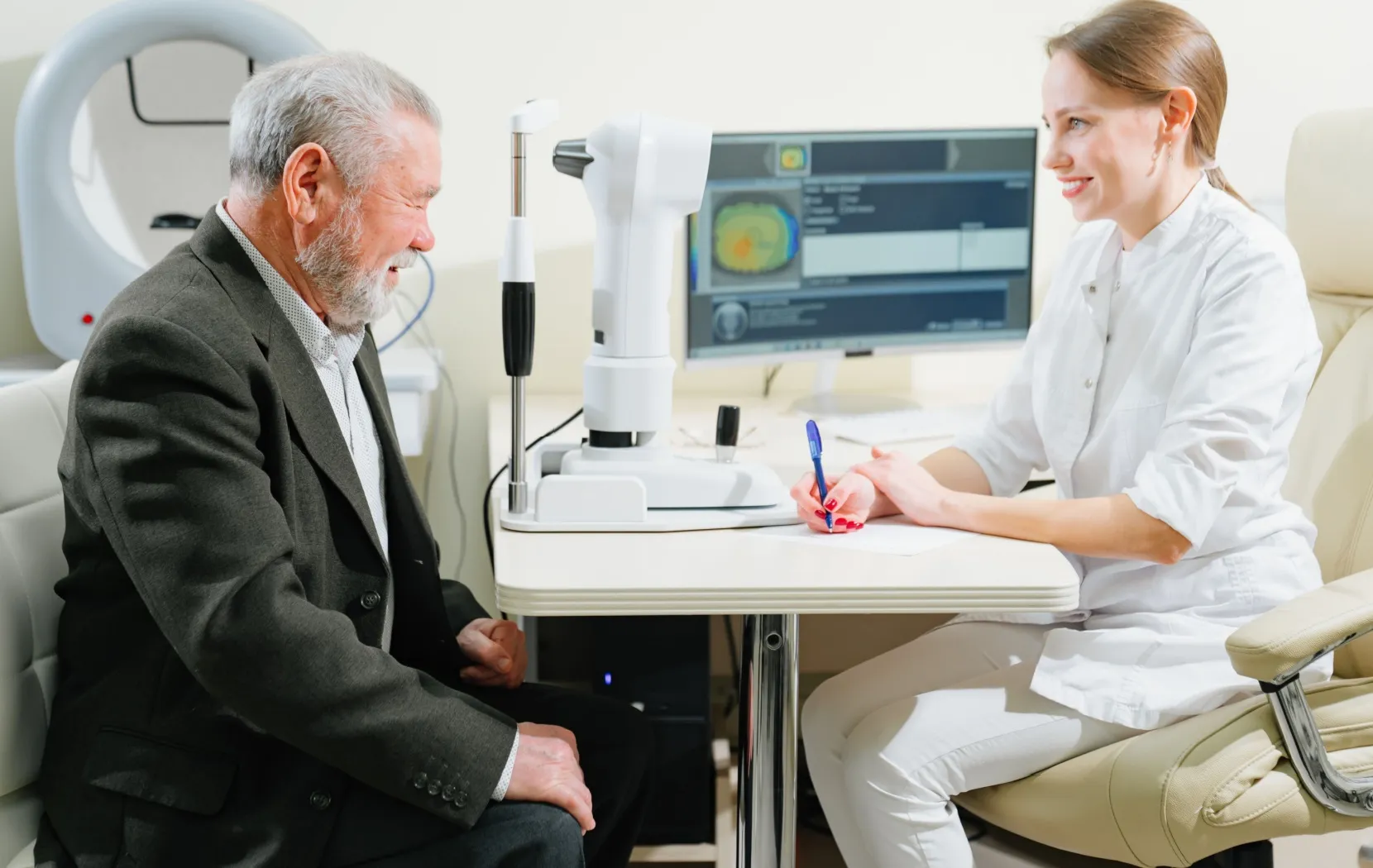
Share retina notes, OCT and autofluorescence images, genetic reports, and any low-vision prescriptions or devices you use.
Tell us what matters most: reading, school, work, faces, glare, mobility, device use or understanding research options.
If appropriate, we outline supportive priorities, referrals and function-first measures—then reassess as findings and goals evolve.
Inheritance wrote the first chapter. Support helps write the ones that matter.
Clinically grounded. Humanly delivered.
Netra Eye Institute combines the perspective of Traditional Chinese Medicine, Ayurveda and modern ocular physiology within an individualized, adjunctive care framework. We consider the whole person—genetics, nutrition, daily function and personal goals—alongside the retinal diagnosis, in coordination with your specialist team.
Questions, answered
Netra Eye Institute is in South Plainfield, New Jersey. There are currently no branch offices.
NRT is a holistic treatment and is not covered by health insurance. It is offered as a self-pay treatment.
See Patient Financing and Financial Assistance for current options and eligibility information.
Most macular dystrophies affect central vision while sparing the periphery, and many people keep substantial useful vision for decades - Best's disease in particular can remain mild for long periods. Prognosis is individual and needs imaging, genetics and time to define.
That is a genetic-counseling conversation: it depends on the confirmed variant, inheritance pattern and what the family wants to know. A genetic counselor can walk through the options; we help organize the referral and the questions.
Specialist care is essential for diagnosis, retinal monitoring, genetic counseling and access to legitimate clinical trials. NRT is an adjunctive program that considers nutrition safety, daily visual function and whole-person factors alongside that care—it does not replace it.
No. NRT cannot change genes or restore lost photoreceptors, and it never replaces specialist care. It is adjunctive, whole-person support with any benefit measured against predefined functional goals and standard monitoring.
For most macular dystrophies, gene-based approaches remain investigational. Be cautious of clinics selling unproven interventions; legitimate trials are registered, free to join, and eligibility depends on your confirmed genotype. Your specialist and counselor can identify real options.
Yes. A consultation can help determine whether an in-person assessment at Netra Eye Institute in South Plainfield, New Jersey, may be appropriate. The care team will explain the next step based on your history and location.
Ready when you are
Request a consultation to review your records and learn whether Netra Restoration Therapy may be an appropriate complement to your specialist retinal care.
Request ConsultationPrefer to call? (732) 503-9999