Bring your records
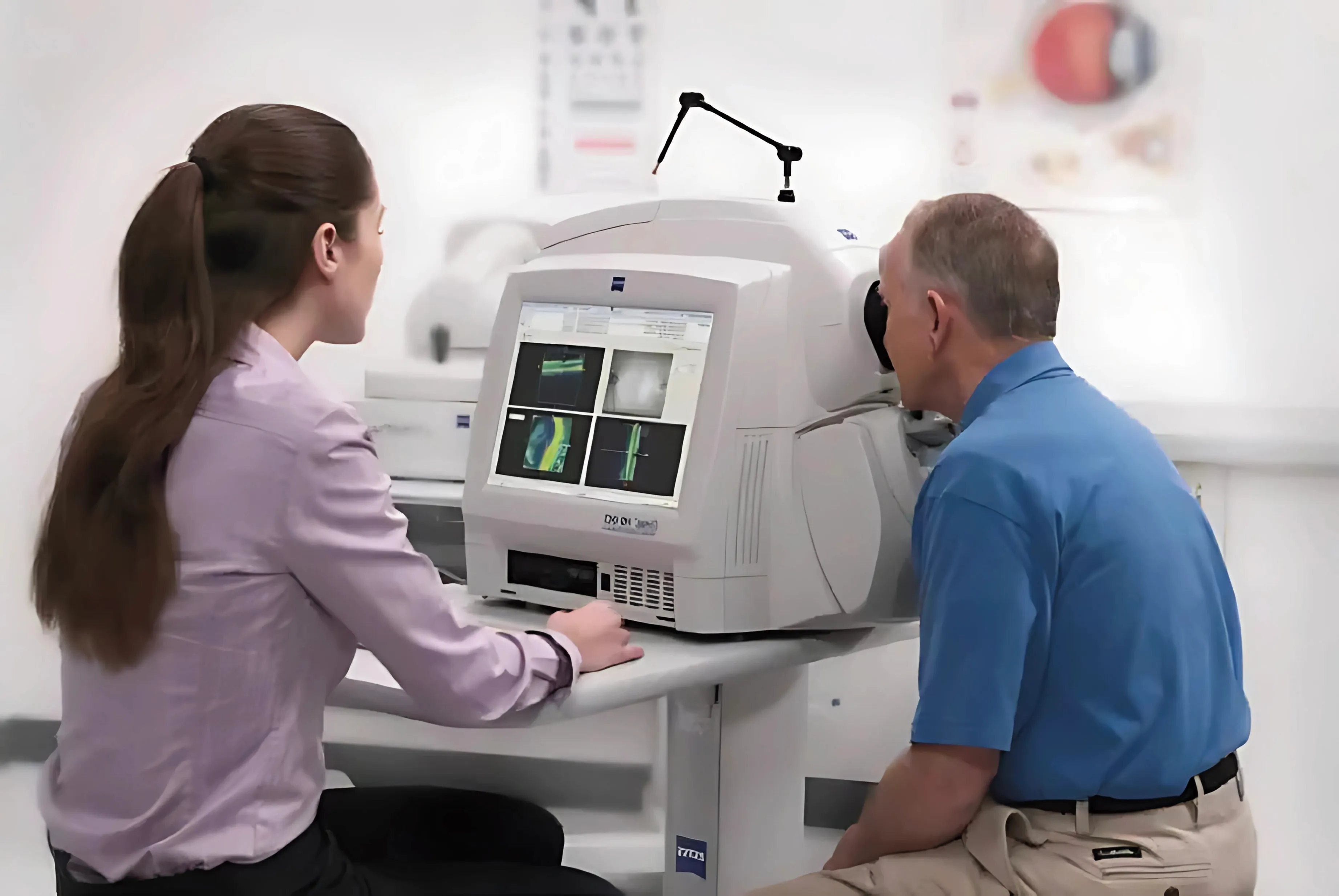
Share your eye doctor's notes, imaging (OCT, photos or fields), current drops or medications, and anything else that tells your story.
Dry AMD - Age-Related Macular Degeneration
Dry AMD · Age-related macular degeneration
Blurrier print, dimmer colors and that early fear about what comes next: dry AMD changes more than eyesight. Netra Restoration Therapy offers personalized, adjunctive support alongside your eye doctor's monitoring.
Dry AMD is a gradual thinning of the macula in which waste deposits (drusen) accumulate and the light-sensing cells slowly lose support. Conventional care centers on monitoring, AREDS2-based supplementation when appropriate, and healthy-lifestyle guidance - and for many people that can feel like being told to wait. NRT offers a structured, whole-person program in that space: nutrition, circulation, sleep, stress and daily visual function addressed together, coordinated with your eye doctor's monitoring so changes are caught and reviewed properly.
Lowering oxidative burden on the macula with antioxidants, sleep, and metabolic balance.
Supporting retinal neurons through vascular, antioxidant, and mitochondrial pathways.
Enhancing retinal and choroidal microcirculation to meet the macula's metabolic demand.
Metabolic, vascular, oxidative, inflammatory, and neuroprotective support for RPE and photoreceptors.
Optimizing nutrients, O₂ delivery, microcirculation, and reducing metabolic strain.
Modulating inflammation via herbal medicine, gut–retina health, sleep, and stress balance.
These pathways describe an integrative support framework; they do not remove drusen, reverse macular thinning, or replace monitoring by your eye doctor.
PersonalizedBuilt around your symptom pattern
Non-surgicalIntegrative, whole-person support
ComplementaryDesigned to work alongside eye care

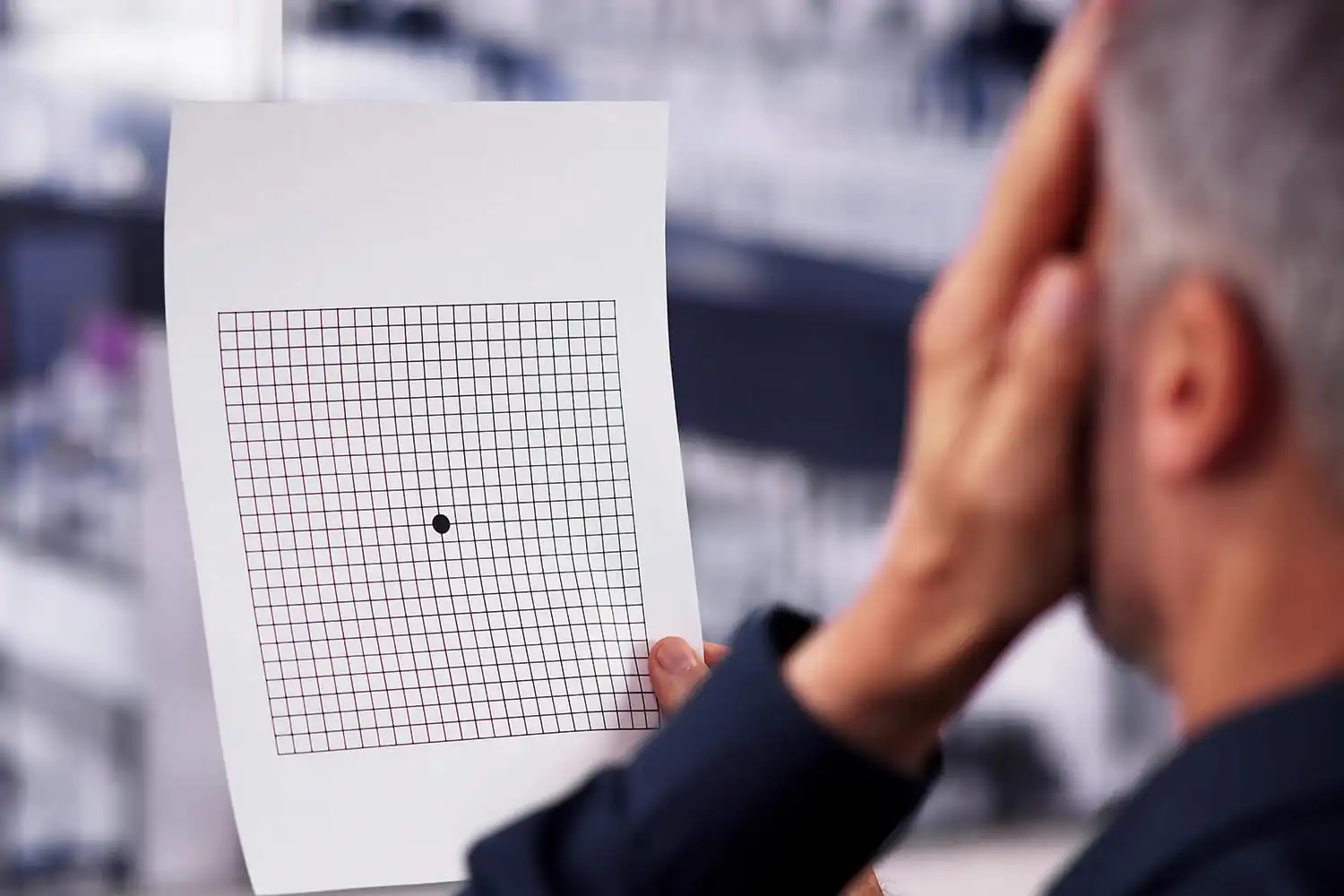
Dry age-related macular degeneration is the most common form of AMD. The macula - the center of the retina used for reading, faces and detail - gradually thins as deposits called drusen build up. Progression is usually slow, but regular monitoring matters, because dry AMD can convert to the wet form, which needs prompt treatment.
Common experiences include:
A broader perspective
Specialist care remains essential: your ophthalmologist confirms the diagnosis, monitors the condition over time and delivers the treatments with proven benefit. Nothing on this page replaces that.
NRT adds an individualized, supportive layer focused on daily function, safe nutrition, lifestyle factors and whole-person wellbeing - coordinated with, never instead of, your specialist's plan.
Request ConsultationConfirms the diagnosis, grades severity, monitors for conversion to wet AMD, and advises AREDS2 supplementation and lifestyle measures where appropriate.
Complements existing care with function-first support - nutrition safety, adaptation strategies and whole-person health - coordinated with your eye care team.
Different roles. One coordinated goal.
Is this relevant to you?
Your next step
Share your eye doctor's notes, imaging (OCT, photos or fields), current drops or medications, and anything else that tells your story.
Tell us what matters most: reading, school, work, faces, glare, mobility, device use or understanding research options.
If appropriate, we outline supportive priorities, referrals and function-first measures—then reassess as findings and goals evolve.
Watchful waiting watches the retina. Someone should also be supporting the person.
Clinically grounded. Humanly delivered.
Netra Eye Institute combines the perspective of Traditional Chinese Medicine, Ayurveda and modern ocular physiology within an individualized, adjunctive care framework. We consider the whole person—genetics, nutrition, daily function and personal goals—alongside the retinal diagnosis, in coordination with your specialist team.
Questions, answered
Netra Eye Institute is in South Plainfield, New Jersey. There are currently no branch offices.
NRT is a holistic treatment and is not covered by health insurance. It is offered as a self-pay treatment.
See Patient Financing and Financial Assistance for current options and eligibility information.
Dry AMD typically affects central vision, not side vision, and most people keep useful vision for many years. Progression varies widely. Regular monitoring protects you, because the wet form - which can change vision quickly - is treatable when caught early.
Glasses correct focus; they cannot replace macular cells. Low-vision tools - magnification, lighting, contrast strategies - can make remaining vision work harder, and we help coordinate that alongside your eye doctor's care.
Specialist care is essential for diagnosis, retinal monitoring, genetic counseling and access to legitimate clinical trials. NRT is an adjunctive program that considers nutrition safety, daily visual function and whole-person factors alongside that care—it does not replace it.
No. NRT should not be described as a cure or a replacement for monitoring and evidence-based care. Any supportive benefit should be assessed against predefined functional goals alongside standard examinations.
AREDS2 supplementation has evidence for slowing progression in intermediate and certain stages of AMD, but it is not right for everyone - smoking history matters, and formulations differ. Bring your bottle to your consultation; we review it with, not instead of, your eye doctor's guidance.
Yes. A consultation can help determine whether an in-person assessment at Netra Eye Institute in South Plainfield, New Jersey, may be appropriate. The care team will explain the next step based on your history and location.
Ready when you are
Request a consultation to review your records and learn whether Netra Restoration Therapy may be an appropriate complement to your specialist retinal care.
Request ConsultationPrefer to call? (732) 503-9999