Blog
BDNF and Eye Health: The Role of Brain-Derived Neurotrophic Factor in Vision
May 23, 2026
Introduction
Vision depends not only on healthy eye tissues but on the survival and resilience of specialized neurons — particularly the retinal ganglion cells (RGCs) and the optic nerve fibers that carry visual signals to the brain. Among the molecular factors that protect and sustain these neurons, Brain-Derived Neurotrophic Factor (BDNF) has emerged as one of the most important.
BDNF is a member of the neurotrophin family — a group of proteins that regulate neuronal survival, growth, and plasticity. While much of the research on BDNF has focused on the brain, accumulating evidence shows that BDNF plays an equally critical role in maintaining retinal health and protecting the visual pathway, a recognition that is reshaping how integrative ophthalmology approaches age-related and degenerative eye conditions.
What Is BDNF?
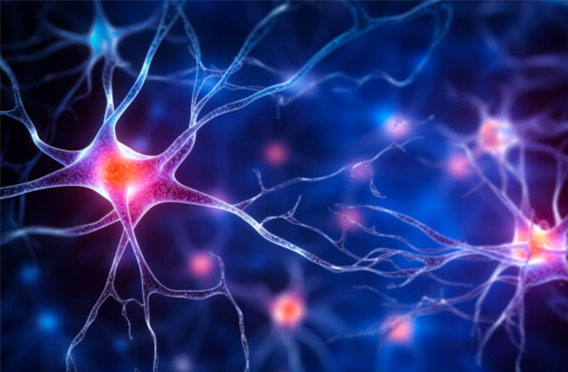
Brain-Derived Neurotrophic Factor is a small secreted protein that binds to a specific receptor (TrkB) on the surface of neurons. When BDNF activates this receptor, it triggers intracellular signaling that:
- Promotes neuronal survival
- Stimulates dendritic and axonal growth
- Strengthens synaptic connections
- Enhances cellular resilience to stress
In short, BDNF acts as a kind of biological “support system” for neurons, helping them survive, repair, and adapt.
BDNF in the Visual System
The retina is one of the most metabolically active tissues in the human body, and its neurons are particularly vulnerable to oxidative stress, vascular insufficiency, and inflammation. BDNF helps offset these stresses through several mechanisms:
1. Protecting Retinal Ganglion Cells
RGCs — the cells whose axons form the optic nerve — are highly dependent on neurotrophic support. Reduced BDNF signaling is associated with RGC loss in glaucoma, optic neuropathies, and other neurodegenerative conditions of the eye.
2. Supporting Photoreceptor Survival
BDNF contributes indirectly to the survival of rods and cones by modulating supportive Müller glia and reducing pro-apoptotic signaling in the outer retina.
3. Promoting Optic Nerve Health
BDNF supports axonal integrity along the optic nerve, helping preserve signal conduction from the eye to the brain.
4. Modulating Neuroinflammation
BDNF helps regulate microglial activity, dampening the chronic low-grade inflammation that drives many degenerative eye diseases.
Conditions Where BDNF Decline Matters
Reduced BDNF expression or impaired BDNF signaling has been implicated in several vision-threatening conditions:
- Glaucoma — declining BDNF transport along the optic nerve contributes to retinal ganglion cell death.
- Optic neuropathies — including ischemic, inflammatory, and traumatic forms.
- Diabetic retinopathy — chronic hyperglycemia disrupts retinal neurotrophic balance.
- Age-related macular degeneration (AMD) — BDNF supports photoreceptor and RPE health.
- Retinitis pigmentosa and inherited retinal dystrophies — neurotrophic insufficiency accelerates photoreceptor loss.
Factors That Influence BDNF Levels
BDNF expression is dynamic and influenced by lifestyle, physiology, and systemic health. Key modulators include:
- Aerobic exercise — one of the most potent natural BDNF boosters
- Sleep quality — deep sleep supports neurotrophic regulation
- Nutrition — omega-3 fatty acids, polyphenols, and curcumin all support BDNF expression
- Stress and cortisol — chronic stress suppresses BDNF
- Ocular blood flow — adequate perfusion sustains neurotrophic delivery
- Systemic inflammation — chronic inflammation reduces BDNF availability
This is why a whole-body, integrative approach is so important for protecting vision.
How Netra Restoration Therapy Supports BDNF and Visual Function
Netra Restoration Therapy (NRT) is a physiology-based, integrative protocol designed to support the biological environment in which retinal neurons survive and function. While NRT is not a pharmacological BDNF therapy, it targets the upstream factors known to influence neurotrophic support:
1. Enhancing Ocular Blood Flow
Improved microcirculation increases delivery of neurotrophic factors — including BDNF — to the retina and optic nerve.
2. Reducing Oxidative Stress
Antioxidant and metabolic support helps preserve the cellular machinery that produces and responds to BDNF.
3. Modulating Inflammation
By calming neuroinflammation, NRT helps maintain a microenvironment in which neurotrophic signaling can operate effectively.
4. Supporting Mitochondrial Function
BDNF signaling depends on energy-intensive intracellular pathways. Healthier mitochondria mean stronger BDNF-driven repair and survival responses.
5. Lifestyle and Constitutional Support
NRT incorporates personalized recommendations for sleep, nutrition, breathing practices, and stress regulation — each a known driver of endogenous BDNF.
Conclusion
BDNF is more than a brain molecule — it is a fundamental support factor for vision, sustaining retinal ganglion cells, protecting the optic nerve, and modulating the inflammatory and metabolic balance of the retina. Declining BDNF activity is a common thread across many of the most challenging eye conditions we treat.
At Netra Eye Institute, our approach through Netra Restoration Therapy is built on the recognition that protecting vision means protecting the neurons of the visual pathway — and that means cultivating the conditions in which BDNF and its fellow neurotrophins can do their work. By combining science-guided, integrative interventions, NRT helps create a biological environment where retinal and optic nerve health can be preserved over the long term.